America’s AI boom is quietly rewriting local life—from power bills to sleepless nights—as data centers multiply faster than lawmakers can set basic rules.
Story Snapshot
- New Jersey and Northern Virginia are flashpoints as AI-driven data center expansion collides with grid limits, water use, and neighborhood quality-of-life concerns.
- Multiple operators have faced air-quality penalties tied to backup generators, while companies argue their facilities remain within legal limits.
- Residents report persistent noise, bright lighting, and land clearing; some disputes have escalated into lawsuits and local political fights.
- Utilities are weighing more gas generation and even nuclear restarts to meet demand, raising questions about who pays and who benefits.
AI Data Centers Move In—And Communities Say the Costs Follow
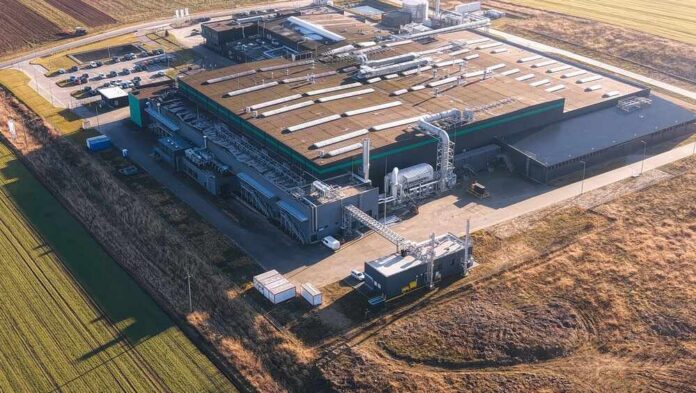
New proposals for AI-era data centers are accelerating in New Jersey, where reports describe roughly 80 facilities already operating and more in the pipeline. The debate is not just about technology; it’s about physical footprint and basic services. Large sites can demand enormous electricity and significant water for cooling, pushing utilities and regulators into difficult tradeoffs. Residents in already-burdened areas argue the boom risks repeating older industrial patterns: growth first, mitigation later.
Some headlines frame the controversy in provocative terms—such as claims that these sites “pollute worse than ICE agents.” The available reporting does not support a direct comparison to immigration enforcement emissions, and the phrase reads more like a rhetorical jab than a measurable benchmark. What the sources do document is more concrete: diesel generators, chemical concerns, and the reality that grid upgrades and backup systems can shift local impacts onto nearby neighborhoods even when facilities serve national cloud demand.
Power Demand Is the New Chokepoint—And Ratepayers Notice
AI workloads have intensified the energy profile of data centers, with some modern facilities discussed in reporting as requiring hundreds of megawatts—enough to power large populations. That kind of load changes local planning from routine zoning to regional infrastructure triage. In New Jersey, the surge is described alongside proposals that could keep fossil-fuel plants online longer than planned, plus talk of reviving nuclear generation at legacy sites to meet demand as quickly as possible.
For conservatives who are tired of “subsidize first, ask questions later” governance, the most sensitive issue may be the financing. When states and counties compete for “economic development,” fast-tracks and tax incentives can leave taxpayers funding roads, substations, and transmission upgrades that primarily serve private operators. The core policy question isn’t whether AI should exist; it’s whether communities get enforceable protections and whether developers pay the full, transparent cost of what their projects require.
Noise, Light, Land Clearing: The Impacts Neighbors Can’t Ignore
In Northern Virginia—another national hotspot—residents have described data center noise that affects sleep and daily life, helping turn development into neighbor-versus-neighbor political warfare. Reports cite health groups linking chronic noise exposure to sleep disruption and cardiovascular risks, with children flagged as especially vulnerable. Companies have responded with mitigations like sound-dampening upgrades and walls, but the record is mixed: some residents say improvements help, others say the underlying problem persists.
Land use is another pressure point. Reporting describes forest clearing and rapid buildouts that resemble earlier warehouse sprawl fights, where communities felt local character and open space were traded away for distant commercial benefits. These fights also reveal a broader trust gap: people across the political spectrum increasingly doubt regulators will enforce conditions after ribbon cuttings. That’s how niche zoning hearings turn into populist flashpoints about elites, influence, and whose complaints get taken seriously.
Regulators, Fines, and the Limits of “Within Legal Levels”
Business reporting has documented air-quality penalties across multiple states tied to data center operations, including issues around backup generators and permits. At the same time, at least one legislative review in Virginia has characterized overall regional emissions from data centers as a small share of certain pollutants, while still recommending continued study. Put together, that leaves Americans with an unsatisfying reality: “legal” does not always mean “harmless,” but “harmful” still needs quantifiable evidence and consistent enforcement.
In practical terms, the argument is heading toward a familiar American crossroads: either states write clearer rules up front—noise standards, generator limits, water protections, and developer-funded infrastructure—or communities keep fighting project-by-project with lawsuits and emergency ordinances. In a second Trump term with Republicans controlling Congress, voters will likely expect less performative outrage and more measurable accountability: predictable permitting, firm enforcement, and a system that doesn’t socialize local costs while privatizing national profits.
Sources:
The AI Data Center Boom is the Next Environmental Crisis and It’s Already Starting