The Trump Justice Department is now hauling New York Times reporters toward a grand jury over a leak about the new Air Force One, putting national security and press freedom on a collision course.
Story Snapshot
- Federal subpoenas order New York Times reporters to testify about a story on security flaws in the new Air Force One.
- Acting Attorney General Todd Blanche warns that any witness, “including reporters,” with knowledge of leaks should expect subpoenas.
- The move follows earlier Trump-era leak crackdowns and withdrawn subpoenas against Wall Street Journal and Washington Post reporters.
- Press advocates call the subpoenas an assault on constitutional rights and a dangerous tool of government overreach.
Trump DOJ Targets Times Reporters Over Air Force One Leak
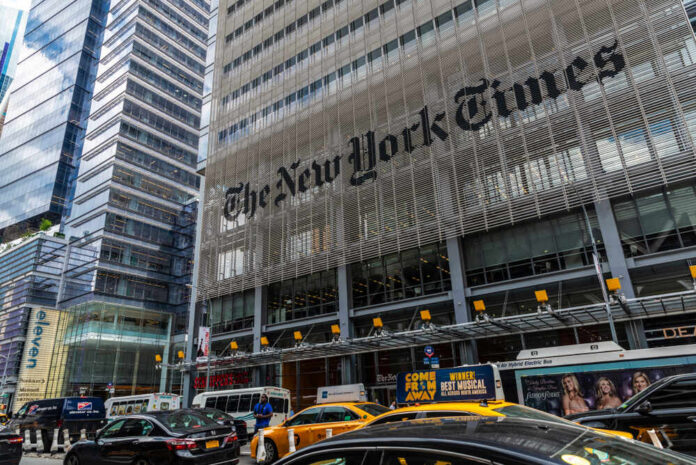
The Justice Department issued grand jury subpoenas dated March 4 to several New York Times reporters over a story that exposed security concerns with the new Air Force One. The reporters are ordered to appear before a federal grand jury in Manhattan to answer questions about how they learned that President Trump chose to leave Turkey on the older Air Force One because of safety worries with the new aircraft. The investigation aims to trace the leak of sensitive information about the presidential jet’s defenses and technical problems.
Officials describe the Air Force One story as a national security matter and say they are focused on tracking down whoever shared the information, not on charging the journalists themselves. Still, the subpoenas are backed by the threat of contempt of court if reporters refuse to answer, which could lead to fines or even jail time. That possibility alarms many Americans who see reporters as a key check on secretive government decisions involving war, foreign travel, and the safety of the commander in chief.
Leak Crackdown Built on New DOJ Rules and Trump’s Anger
This latest action is part of a wider Trump-era campaign to chase leaks and pressure the media that has been building since 2025, when the attorney general scrapped Biden-era limits on going after journalists. The new rules opened the door for subpoenas and search warrants directed at reporters and their records in leak probes, reversing years of policy meant to shield newsrooms from direct government intrusion. That change set the stage for aggressive steps like secret seizures of reporters’ phone records and now orders to testify before grand juries.
Reports show that Trump has personally pushed Justice Department leaders to act when coverage angers him, especially on national security. In earlier Iran war leak cases, he reportedly handed acting Attorney General Todd Blanche a stack of articles with “treason” scrawled on a note and demanded action. Blanche later said publicly that prosecuting leakers who share the nation’s secrets with reporters is a top priority for the administration, warning that any witness, “including reporters,” should be ready for a subpoena. That same mindset now appears to drive the Air Force One investigation.
Press Freedom Groups Warn of Constitutional Risks
Major press freedom organizations say these subpoenas cross a dangerous line by dragging journalists directly into criminal leak hunts. The Committee to Protect Journalists condemned Trump’s order for subpoenas in earlier cases and urged the Justice Department to pull back, arguing that forcing reporters to reveal sources undermines the First Amendment and chills vital reporting on war and national security. They point out that the Wall Street Journal story tied to earlier subpoenas simply reported Pentagon warnings about the risks of an extended Iran campaign, information the public had a clear interest in knowing.
NYT JOURNALISTS SUBPOENAED AS TRUMP UPS PRESSURE ON MEDIA
DoJ is seeking to compel testimony from reporters who wrote about the new Qatari-donated Air Force 1, an extraordinary escalation in Trump’s efforts to threaten & intimidate independent news organiz https://t.co/No5q1V3VEA— Penny Cahill (@PennyLCahill) July 11, 2026
There is also a record of the Trump Justice Department retreating under legal pressure, which shows how shaky these tactics can be. In June, the department quietly withdrew grand jury subpoenas that tried to compel Washington Post and Wall Street Journal reporters to testify about national security leaks, after both outlets fought back in confidential court filings. Acting Attorney General Blanche later insisted that “reporters are not our targets,” but he made clear that investigations into staff who leak classified information will continue. That mixed message leaves many conservatives torn between supporting tough action on leaks and guarding against a government that can drag any reporter into court.
Balancing Real National Security With Limited Government
For constitutional conservatives, the heart of this fight is balance: how to protect real secrets without giving Washington a blank check to bully the press. The Air Force One case involves genuine security questions, since details about the president’s plane can be misused by enemies if exposed carelessly. At the same time, there is no public proof yet that the specific information in the Times story was classified or shared illegally, and the Justice Department has not released the underlying document or named the leaker.
Many readers who back Trump’s push to stop dangerous leaks also worry about government overreach that could one day target conservative reporters or whistleblowers who expose waste, woke agendas, or corruption. The withdrawn subpoenas in earlier cases show that courts and newsrooms can still check the Justice Department when it oversteps. As this Air Force One probe unfolds, the real test will be whether the administration can prove a genuine security breach in court without trampling the free press protections that guard all Americans, left and right alike.
Sources:
nytimes.com, facebook.com, wbaltv.com, abcnews.com, yahoo.com, aol.com, ynetnews.com