
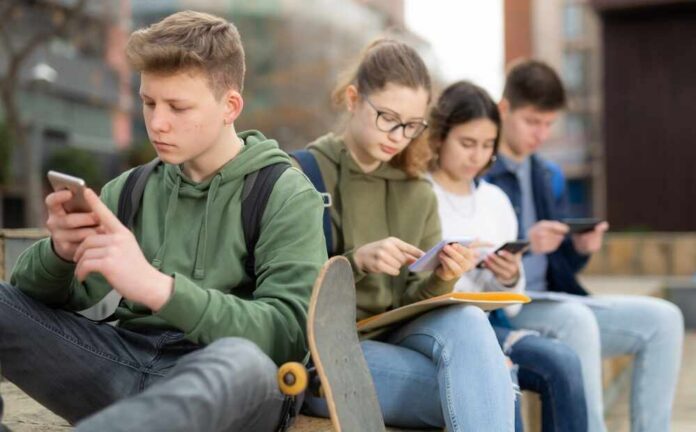
UK Parliament’s rejection of a social media ban for children under 16 delivers a rare win against government overreach, reminding Americans how leftist big-government impulses threaten parental rights and family values even abroad.
Story Snapshot
- UK MPs voted 307-173 against an amendment banning under-16s from social media on March 9, 2026.
- Labour government under Keir Starmer prioritizes consultations over immediate bans, delaying strict protections.
- Conservative peer’s push for outright ban highlights cross-party divides on child safety versus enforcement feasibility.
- Decision builds on 2023 Online Safety Act, sustaining debates on youth mental health harms from tech platforms.
Parliament Rejects Strict Ban
UK Members of Parliament voted down an amendment to the Children’s Wellbeing and Schools Bill on March 9, 2026. The measure, proposed by a Conservative peer, sought to prohibit children under 16 from accessing social media entirely. Lawmakers rejected it 307 to 173, with Labour’s majority driving the outcome. This defeat underscores practical concerns over enforcing such a sweeping restriction amid ongoing youth mental health debates. Parents and conservatives watching from America see parallels to fights against intrusive state controls on family decisions.
Government Pivots to Consultations
Prime Minister Keir Starmer’s Labour government responded by announcing consultations on age restrictions and potential bans. Starmer stated he has not ruled out a ban but emphasized evidence-based approaches to avoid rushed enforcement issues. This follows the 2023 Online Safety Act, which requires age verification without full prohibitions. The pivot gives tech firms temporary relief from compliance costs while children remain exposed to platforms linked to mental health harms. For families weary of globalist regulatory creep, this delay feels like another layer of ineffective bureaucracy.
Stakeholder Dynamics and Divisions
Labour MPs prioritized feasibility, sidelining the Conservative peer’s urgent call for protection. Starmer holds high influence, setting policy direction through promised talks. The opposition’s medium influence failed against the majority’s vote. This power dynamic reveals Labour’s balance of child wellbeing with industry input, contrasting conservative demands for immediate action. American conservatives, frustrated with endless foreign entanglements and domestic overreach, appreciate any check on big-government tech controls that erode parental authority and traditional family oversight.
Cross-party splits highlight enforcement doubts, with Conservatives pushing strict measures and government favoring phased regulation. Schools tied to the wellbeing bill face ongoing challenges without new safeguards.
Impacts on Families and Broader Policy
Short-term, protections for under-16s stall, leaving children vulnerable and parents without tools against social media harms. Long-term, consultations may yield tailored rules or diluted efforts, sustaining mental health debates. Politically, the vote exposes Labour-Conservative rifts; economically, platforms dodge costs but brace for scrutiny. Globally, this boosts attention to tech regulation, offering lessons for U.S. battles against woke agendas infiltrating youth via unchecked digital spaces. Conservatives value family-led upbringing over state mandates.
Sources:
UK Parliament rejects social media ban for children under 16
UK under-16 social media ban fails as government seeks talks
Legislation banning children from social media defeated