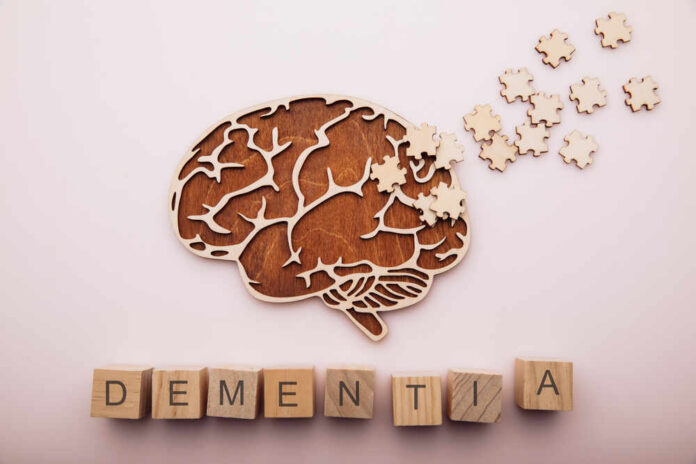
As dementia cases surge toward 150 million worldwide by 2050, Americans face a healthcare crisis that government agencies acknowledge but seem powerless to prevent, leaving families to shoulder trillion-dollar care burdens while researchers still search for answers more than a century after the disease was first identified.
Story Snapshot
- Dementia affects 55 million people globally, projected to triple by 2050, straining families and healthcare systems
- Alzheimer’s disease accounts for 60-80% of dementia cases, yet no cure exists despite decades of research
- Annual global costs exceed $1.3 trillion, with families bearing most caregiving expenses as government support lags
- Reversible conditions often mimic dementia symptoms, but true dementia remains progressive and incurable
Understanding the Dementia Epidemic
Dementia represents an umbrella term for cognitive decline severe enough to interfere with daily life, caused by diseases damaging brain nerve cells. The World Health Organization recognizes dementia as a global health priority, affecting 55 million people in 2020 with projections showing numbers will triple by 2050. Risk doubles every five years after age 65, though certain types like frontotemporal dementia strike adults under 60. Unlike normal aging, dementia stems from progressive brain changes involving protein buildups, tangles, and neuron destruction that medical science cannot yet reverse or cure.
Alzheimer’s Dominance and Disease Variations
Alzheimer’s disease drives 60-80% of all dementia cases, beginning with memory loss before progressing to total cognitive collapse. The Alzheimer’s Association distinguishes dementia as a collection of symptoms while Alzheimer’s represents the specific disease causing most cases. Other forms include vascular dementia from blood vessel damage, Lewy body dementia involving abnormal protein deposits, and frontotemporal dementia targeting personality and language centers. Mixed dementia, where multiple types coexist in one patient, has gained recognition as neurologists identify overlapping brain pathologies. Each variation follows distinct patterns, yet all share the common thread of irreversible neuron death.
Economic and Family Devastation
The financial toll reaches $1.3 trillion annually worldwide, a figure climbing as populations age and government healthcare systems strain under demand. Families absorb most caregiving costs directly, sacrificing income as loved ones require constant supervision through years of decline. Short-term impacts include loss of driving privileges, inability to manage finances, and personality changes that fracture relationships. Long-term consequences lead to complete dependency, with patients requiring round-the-clock care until death. Social stigma compounds the crisis, deterring early diagnosis when interventions might slow progression. This represents a failure of the healthcare establishment to translate research dollars into meaningful treatments.
Research Stagnation Despite Institutional Claims
Government agencies like the National Institute on Aging and pharmaceutical companies have studied dementia since Alois Alzheimer identified the disease in 1906, yet no cure exists. Advances in neuroimaging and genetics since the 1980s revealed amyloid plaques and tau tangles characteristic of Alzheimer’s, but treatments targeting these markers have largely failed in clinical trials. Current management focuses on symptom relief rather than disease modification. Some conditions mimicking dementia, such as vitamin deficiencies or thyroid disorders, prove reversible with proper treatment, highlighting diagnostic complexities. The gap between research funding and practical outcomes fuels frustration among families watching institutions issue press releases while their loved ones deteriorate.
The dementia crisis exposes fundamental weaknesses in how government and medical establishments address chronic disease. Bureaucracies collect data, issue guidelines, and project future costs while offering little hope to the 55 million people currently suffering or the 100 million more expected by mid-century. Families need solutions, not statistics, yet the research apparatus continues business as usual despite decades of failure to deliver cures. This pattern mirrors broader concerns about institutional priorities favoring career preservation over bold problem-solving, leaving ordinary Americans to navigate devastating illness with minimal support and maximum expense.
Sources:
What Is the Difference Between Alzheimer’s and Dementia? – Alzheimer’s Association
What Is Dementia? Symptoms, Types, and Diagnosis – National Institute on Aging
What Is Dementia? – Alzheimers.gov
Dementia – World Health Organization
Dementia – Symptoms and causes – Mayo Clinic
Types of Dementia – Alzheimer’s Society UK