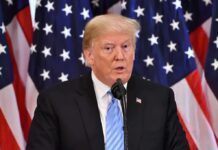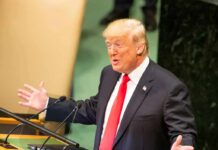
President Trump blasted elite calls to “slow down” artificial intelligence as a “sick conspiracy,” declaring America does not need new AI rules—only strong leadership and existing law.
Story Highlights
- Trump said a “strong and smart” president is the only AI guardrail America needs.
- The administration points to existing criminal and regulatory powers instead of new rules.
- White House actions aimed to preempt a state-by-state AI patchwork and speed innovation.
- Prior federal policy warned that AI can fuel fraud, discrimination, and security risks.
Trump Rejects New AI Rules, Cites Leadership and Existing Law
President Trump said the only “guardrails” needed for artificial intelligence are a “STRONG AND SMART (High IQ!) PRESIDENT,” pushing back on industry voices urging a slowdown. He argued the government already holds “tremendous CRIMINAL and REGULATORY power” to police wrongdoing, so Congress does not need to pile on new rules that could choke growth. His message drew a bright line: keep America ahead in the tech race, avoid panic, and punish bad actors under laws already on the books.
Trump’s stance follows months of headlines about model dangers and pressure campaigns from large labs. He framed those demands as an attempt to hobble U.S. leadership and hand an edge to rivals abroad. The president also tied his view to pocketbook issues. He warned that heavy compliance costs would raise prices, slow data center buildouts, and drain investment, which could push jobs overseas. He said strong oversight can come from the executive branch without a web of new mandates.
Executive Actions Aim to Unify Policy and Block a State Patchwork
The administration moved to stop a maze of state-by-state rules that create confusion for builders and users. A White House executive action outlined a national policy framework to remove barriers to leadership and rein in state laws that would splinter the market. The policy pitch is simple: one clear federal rulebook, faster approvals, and room to build, with federal agencies using current powers when harms occur. Supporters say this keeps infrastructure and innovation in America.
Policy analysts describe United States AI governance as a patchwork of executive orders, agency guidance, and procurement rules rather than one big statute. That design pushes disputes over “guardrails” into fights about who sets the risk bar—president, agencies, states, or Congress. With no broad federal law, pressure rises on the White House to act. Trump’s choice to centralize oversight and preempt state moves fits an innovation-first model that favors speed and national alignment.
Critics Warn About Fraud, Bias, and National Security Risks
Earlier federal policy, issued before Trump took office, flagged real dangers. It warned that irresponsible AI can worsen fraud, discrimination, and disinformation, and can threaten national security. It urged agencies to use their full authority to protect consumers and privacy. Those arguments fuel calls for new laws, licenses, and audits for high-risk systems. Backers say stronger rules would prevent avoidable harm and keep powerful tools in safe hands.
Trump’s team counters that the government can already punish theft, hacking, discrimination, and deceptive trade under existing statutes. They argue new rules risk cementing the market for the biggest firms that can afford armies of lawyers. The administration’s plan stresses rapid compute buildout, fewer chokepoints, and targeted enforcement when specific laws are broken. That balance, they argue, protects liberty, jobs, and America’s lead without building a new bureaucracy.
What It Means for Conservatives: Liberty, Competitiveness, and Common Sense
For readers worried about government creep, Trump’s message is clear. Keep decisions close to elected leadership, not nameless boards. Use current law to nail criminals and cheaters. Do not hand unelected regulators a blank check over code, speech, and research. That approach guards constitutional values, protects small builders from crushing costs, and blocks backdoor speech rules that could chill debate and faith, or weaken gun rights tools by “algorithmic” decree.
BREAKING: US President Donald Trump has dismissed suggestions that AI is in need of more regulation, saying calls for a development slowdown are part of a "sick conspiracy".
Our US correspondent @jamesmatthewsky reports.
Latest: https://t.co/9Ok3tsYbp6
📺 Sky 501 and YouTube pic.twitter.com/j6MUHJYhKX
— Sky News (@SkyNews) September 14, 2026
For those focused on China and national strength, time matters. Trump links rapid AI growth to energy, manufacturing, cyber defense, and fair markets. He argues slowdowns help rivals and hurt American workers. The policy path now runs through the executive branch, which favors speed and unity. Congress may still act, but for now the White House plans to press forward: build the infrastructure, simplify the rules, and use existing law to punish abuse—without sacrificing freedom or U.S. leadership.
Sources:
mediaite.com, whitehouse.gov, cnbc.com, law.georgetown.edu