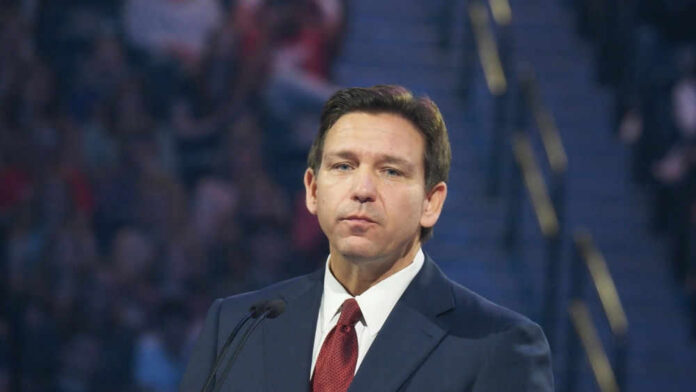
Florida Governor Ron DeSantis signed HB 1471 into law, empowering the state to designate domestic terrorist organizations and expel students promoting them— a bold stand against Islamist threats despite free speech outcries.
Story Highlights
- DeSantis codifies his executive order targeting CAIR and Muslim Brotherhood after federal court block.
- Bill passed with strong GOP majorities: Senate 25-11, House 80-25.
- Allows expulsion of university students for material support or promoting violence by designated groups.
- Bans state funding for programs linked to terrorist groups and Sharia law enforcement.
Bill Passage and Signing
Florida Republican lawmakers passed HB 1471 during the 2026 session. The Senate approved it 25-11 after adding student expulsion provisions. The House followed with an 80-25 vote on March 12. Lawmakers sent the bill to DeSantis’ desk in late March. He signed it before the April 15 deadline, formalizing state powers to label groups as domestic terrorists with Governor and Cabinet approval.
Response to Executive Order Block
DeSantis issued an executive order in December 2025 designating CAIR and the Muslim Brotherhood as terrorist organizations. U.S. District Judge Mark Walker blocked it in early March 2026, ruling it violated First Amendment rights. His office drafted HB 1471 to override the injunction through legislation. FDLE Commissioner Mark Glass will propose designations for approval. Senate amendments defined “promote” as material support or violence encouragement, not pure speech.
Key Provisions and Safeguards
The law enables the state to maintain a domestic terrorist organizations list. Universities must expel students providing material support to listed groups or promoting violence. It bans state funding for K-12 scholarships and programs tied to these groups. Courts cannot enforce foreign religious laws like Sharia. A companion bill exempts related public records. These measures aim to protect Floridians from extremism while addressing security gaps.
Supporters emphasize due process through Governor and Cabinet review. This process mirrors federal terrorist designations but applies at the state level. The bill bundles with voter citizenship proof requirements, reflecting broader GOP priorities on security and election integrity.
Opposition and Broader Concerns
Democrats and Muslim groups criticized the bill for lacking due process and chilling speech. PEN America warned on April 3 that sparse guidelines could target nonprofits and dissenters. CAIR sued over the original order, alleging unconstitutional targeting. Legal challenges loom, similar to those pledged by Marc Elias on related legislation. Both sides express frustration with government overreach, echoing national distrust in elites prioritizing power over people.
In Trump’s 2026 second term, with GOP federal control, state actions like Florida’s highlight America First security. Conservatives see victory against globalist threats; liberals fear minority discrimination. Yet growing bipartisan anger at federal failures unites citizens demanding accountability from a deep state more focused on self-preservation than the American Dream.
Sources:
Domestic terrorism designation bill heads to Gov. DeSantis’ desk
Muslim groups, Democrats slam bill passage giving state power to designate terrorist organizations
Warning that Florida domestic terror bill likely would chill free speech
Florida legislature sends domestic terrorist bill to DeSantis
Miami Herald article on DeSantis bill authorship