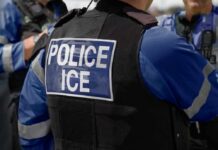
Three Austin police officers who stopped a mass shooting in under a minute now face scrutiny under a progressive district attorney’s policy that threatens to criminalize heroic split-second decisions to save lives.
Story Snapshot
- Three APD officers neutralized an active shooter on Sixth Street in 56 seconds on March 1, 2024, preventing mass casualties
- Travis County DA José Garza’s blanket policy sending all officer-involved shootings to grand juries—allegedly influenced by the progressive Wren Collective—put the heroes under legal threat
- Governor Abbott intervened, promising final say over the officers’ fate and exposing how “Defund the Police” reforms endanger those who protect us
- After intense political pressure, Garza reversed course and declined to refer the case to a grand jury, calling the officers “heroes”
Heroes Stopped a Massacre, Then Faced Investigation
Austin Police Department officers responded to gunfire outside The Soho Lounge on East Sixth Street during the crowded nightlife hours of March 1, 2024. Within 56 seconds of the first 911 call, three officers engaged and fatally shot a gunman who had already killed one person and wounded others in the entertainment district. Body-worn camera footage documented the rapid response that city officials and the public initially praised as lifesaving heroism in the face of an active mass-casualty event.
Progressive DA’s Policy Puts Officers in Legal Jeopardy
Travis County District Attorney José Garza implemented a controversial policy after taking office in 2021 requiring every officer-involved shooting to be presented to a grand jury, regardless of circumstances. Critics, including defense attorney Doug O’Connell representing the three officers through the Austin Police Association, argued the policy treats all officers as presumptive suspects. O’Connell claimed the Wren Collective—a national progressive legal advisory group formed in 2020—directs Garza’s grand jury protocols, though Garza has not publicly confirmed any outside organization dictates his procedures. This blanket approach emerged from post-George Floyd accountability reforms that swept progressive jurisdictions nationwide.
Political Firestorm Exposes Austin’s Anti-Police Climate
Rumors spread on social media that Garza would seek criminal charges against the three officers, triggering immediate backlash from law enforcement advocates and Republican state leaders. Texas Governor Greg Abbott publicly declared he would have the “final say in the fate of these police officers,” signaling his willingness to use the governor’s pardon authority if necessary. The swift state-level intervention highlighted the growing conflict between progressive local prosecutors implementing “Defund the Police”-era policies and state officials committed to protecting law enforcement officers who face life-or-death decisions. Abbott’s promise reassured officers statewide that political ideology would not be allowed to criminalize legitimate use of force during active threats.
Pattern of Hostility Toward Austin Police
The March 2024 incident occurred against a backdrop of sustained legal and political pressure on the Austin Police Department. Following the 2020 George Floyd protests, APD faced dozens of excessive-force lawsuits related to crowd-control tactics, resulting in over $37 million in settlements across nearly 80 cases over five years. The city paid its largest excessive-force settlement—up to $8 million—to Justin Howell, who suffered a skull fracture and brain damage from a bean bag round during protests. Garza’s office has indicted multiple APD officers for protest-related shootings, deepening mistrust between rank-and-file officers and the district attorney. Just months before the March shooting, two bystanders filed federal lawsuits over a December 16, 2023 incident at the same Soho Lounge location, alleging APD fired recklessly into a crowded area and caused permanent injuries.
DA Reverses Course Under Political Pressure
Garza publicly called the three officers “heroes” and issued statements denying his office was seeking or would seek criminal charges, calling claims to the contrary “intentionally false” and “peddled for obvious political purposes.” In a departure from his standard all-shootings-to-grand-jury policy, Garza’s office announced it would not refer the March 2024 case to a grand jury at all. The reversal vindicated critics who argued that treating clear-cut defensive actions the same as questionable use of force creates a chilling effect on proactive policing. The about-face also raised questions about the consistency and political nature of progressive prosecution policies that claim to apply neutral standards but bend under public scrutiny when applied to universally praised police actions.
Three Heroic Austin Officers Are Coming Under Legal Fire Over a 'Defund the Police'-Era Policyhttps://t.co/twh0LiioOa
— PJ Media Updates (@PJMediaUpdates) March 7, 2026
Defund Policies Demoralize Law Enforcement
The controversy illustrates how “Defund the Police” reforms implemented in progressive cities like Austin have made split-second decisions legally perilous even when officers act heroically. Mandatory grand jury review of all officer-involved shootings—regardless of the clarity of the threat or the propriety of the response—sends a message that law enforcement cannot be trusted and must be subjected to criminal investigation as a default. This approach ignores the reality that officers confronting armed active shooters in crowded public spaces have mere seconds to assess threats and prevent mass casualties. When those who run toward danger to save innocent lives are then forced to hire defense attorneys and face potential prosecution, recruiting and retention suffer, response times increase, and public safety deteriorates as officers hesitate in critical moments.
Sources:
Texas DA calls officers ‘heroes,’ denies prosecution rumors after Austin mass shooting
City of Austin settles 80 civil lawsuits involving APD officers
Bystanders file lawsuits after Austin police shooting leaves two with permanent injuries
DA won’t refer police who killed Austin shooter to grand jury