
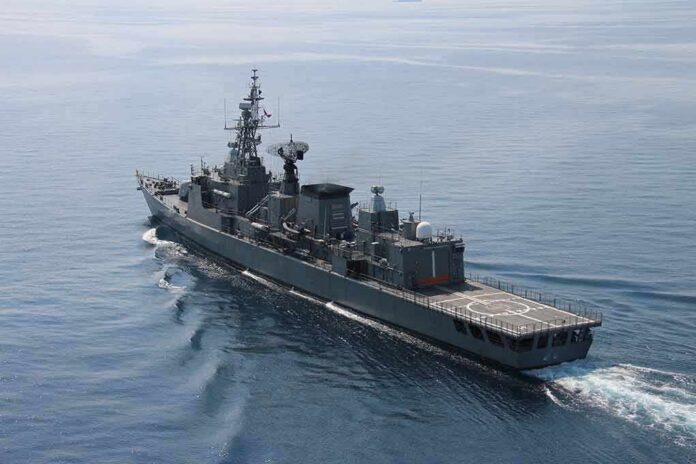
Vessel traffic in the Strait of Hormuz is still moving, even as live trackers show a route that remains far below normal and still politically sensitive.
Quick Take
- Live maritime dashboards show ships under way in and around the Strait of Hormuz.
- Several trackers say traffic remains sharply reduced from normal levels.
- One major tracker says the waterway was briefly reopened, then closed again.
- Private dashboards disagree on how much transit is actually taking place.
Traffic Has Not Stopped Completely
Live monitoring pages show that the Strait of Hormuz still has vessel movement, even during the reopening debate. One dashboard reports 116 vessels under way inside its tracking window, while another says there are five active transits in the last 24 hours. A separate tracker says the route “has not been closed,” which supports the basic fact that some ships are still being counted or observed in the corridor.
That said, the numbers do not show a normal shipping lane. One live page says the strait was briefly reopened on April 21, 2026, then closed again the next day. Another says commercial shipping is suspended and ships transiting are near zero, while a separate dashboard says outbound commercial traffic remains at zero with no verified outbound movements over the past 72 hours.
What The Trackers Actually Show
The clearest pattern is reduced, uneven traffic rather than a clean return to business as usual. Seavantage says seven-day traffic reflects “continued operational reality,” and MarineTraffic described the scene as “minimal vessel traffic” with slower speeds, holding patterns, and vessels staying outside the strait. NBC News also said it was monitoring daily vessel counts and noted that some ships alter their GPS tracking, which can make totals look lower than the true flow.
Other live sources point in the same direction. One tracker says daily transit numbers have fallen to single digits for non-Iranian ships, and another says traffic has collapsed from a pre-closure baseline of about 89 ships a day to a seven-day average of 2.6. A separate live map says about 400 vessels are in the wider strait area, but it also warns that being “under way” inside the window is not the same as a completed crossing.
Why The Reopening Story Is Still Unsettled
The most important gap is official confirmation. The material provided here does not include a port authority notice, an International Maritime Organization bulletin, or a government order that clearly settles the reopening question. Reuters reporting in the package says navigation will resume only when security is guaranteed, which shows how cautious shipping firms remain even when political talks move forward.
That caution matters because the Strait of Hormuz is not just any shipping lane. It is a critical energy chokepoint, so even a small shift in traffic can move oil markets and supply expectations. The trackers suggest a partial and fragile reopening picture, not a full return to normal. For readers worried about energy prices, trade, and national security, the takeaway is simple: ships are moving, but the waterway is still under stress.
🇮🇷 Details of the initial draft of “Iran’s Strategic Plan for Managing the Strait of Hormuz,” currently under review by parliament’s National Security Commission, according to MP Alireza Salimi, who spoke to Iran’s Tasnim News:
🔹 Iran says it has agreed with Oman on the… https://t.co/lC1PeDptuv pic.twitter.com/WouqBJgAld
— Drop Site (@DropSiteNews) August 6, 2026
Private dashboards can be useful, but they also create confusion when their methods differ. Some count vessels inside a wide window, some count completed crossings, and some focus only on outbound movement. That means one site can show activity while another shows a bottleneck. The result is a public fight over definitions, not just traffic. Until a formal maritime notice confirms the status, the safest reading is that transit continues in a limited and uneven way.
Sources:
youtube.com, hormuztracking.com, hormuzmonitor.com, hormuz.data-tracking.net, marinevesseltraffic.com, straitupmaritime.com, hormuz.now, nbcnews.com, straitstimes.com