


AI Talent Flees Europe For OpenAI
Europe’s regulatory obsession just handed America another top AI mind—while a viral “agent” tool he built is now being flagged as a serious cybersecurity risk.
Quick Take
- OpenClaw creator Peter Steinberger joined OpenAI and relocated from Europe to the United States after publicly criticizing Europe’s regulatory climate.
- Steinberger contrasted U.S. “enthusiasm” for building with what he described as Europe’s culture of being “scolded” over responsibility and rules.
- The Dutch Data Protection Authority warned that OpenClaw-style autonomous agents can create major privacy and cybersecurity exposure when given broad access to emails, files, and online services.
- Meta and other major tech firms reportedly banned OpenClaw from corporate networks amid concerns about unpredictability, plugins, and vulnerability to attacks.
A High-Profile Talent Move From Europe to OpenAI
Peter Steinberger, an Austrian developer behind the viral autonomous AI agent tool OpenClaw, has joined OpenAI and moved from Europe to the United States. His relocation matters because it highlights a recurring transatlantic divide: where ambitious builders believe they can move faster, hire easier, and scale bigger. Steinberger said OpenAI’s work culture includes 6-to-7-day work weeks with compensation to match, a model he said would be illegal in Europe.
Steinberger’s comments became public after he responded to a European university professor asking why Europe struggles to retain tech talent. He described a contrast between U.S. energy for experimentation and Europe’s tendency to frame innovation through compliance and caution. The story has gained attention because it fits a broader pattern: in emerging technologies, top talent goes where rules are clearer, capital is deeper, and the penalty for moving fast is lower.
Europe’s Regulatory Web: Privacy, AI Rules, and Labor Limits
European tech policy has long been shaped by heavyweight regulation, including GDPR and the EU AI Act, which can impose compliance duties even on open-source developers and users. The result is often a higher legal and administrative cost to iterate quickly, especially for tools that touch personal data or automate decisions. Steinberger also criticized efforts to unify business structures across Europe, describing an initiative as watered down by national interests.
Europe’s competitiveness problem shows up in the scoreboard investors watch. Reporting cited ASML as Europe’s most valuable company at roughly $550 billion, while the United States has had far more trillion-dollar firms, many in tech. A 2024 EU report reportedly warned Europe had fallen behind the U.S. in innovation and proposed changes, but few recommendations had been implemented by the end of 2025. That backdrop helps explain why a single high-profile move resonates.
What Makes OpenClaw Different—and Why That Raises the Stakes
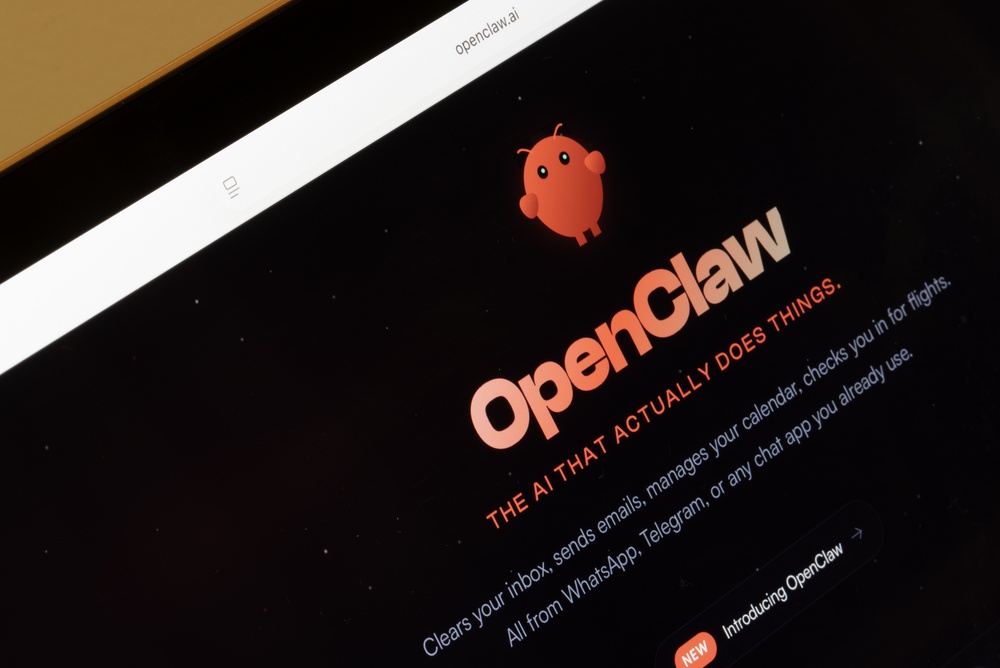
OpenClaw rose quickly because autonomous agents can do more than answer questions; they can take actions on a user’s computer and online accounts. That requires broad permissions—access to emails, files, and connected services—and the agent may execute tasks without continuous human approval. That capability is exactly what excites companies seeking productivity gains, but it also enlarges the blast radius when something goes wrong or when an attacker finds a way in.
Security Warnings, Corporate Bans, and Documented Vulnerabilities
The Dutch Data Protection Authority issued a warning urging people and organizations not to use OpenClaw on devices containing sensitive information, citing major cybersecurity and privacy risks. Separately, Meta and several other tech companies reportedly banned OpenClaw from corporate networks, reflecting the reality that agentic tools can behave unpredictably in environments built around permission controls and audit trails. Even supporters of innovation have to admit: autonomy plus access can become a liability fast.
Security reporting described several concrete concerns: researchers found critical vulnerabilities, including an issue identified as CVE-2026-25253 involving an endpoint that allegedly lacked authentication checks and could allow extraction of stored API tokens under certain conditions. Another analysis said more than 17,500 OpenClaw instances were exposed on the public internet. Researchers also warned about indirect prompt injection, where hidden instructions in emails or web pages could manipulate an agent into taking harmful steps.
What Conservatives Should Watch: Innovation Without Self-Inflicted Risk
The OpenClaw episode shows two truths at once. First, America’s freer enterprise culture continues to attract top builders—especially when other jurisdictions make growth harder through stacked rules and labor rigidities. Second, powerful AI agents can create real security exposure when companies treat them like normal software. A limited-government mindset still demands accountability: voluntary standards, strong private-sector security, and clear liability can beat sprawling bureaucracies, but only if developers and firms take risk seriously.
For the Trump-era U.S. economy, the upside is obvious: more talent and more cutting-edge work landing here instead of overseas. The caution is equally clear: when tools require sweeping access to personal data and corporate credentials, failures can scale as fast as adoption. The reporting available does not fully quantify OpenClaw’s productivity benefits, but it does document why regulators and corporate security teams moved quickly. That tension—move fast, but don’t get reckless—will define the next phase of agentic AI.
Sources:
Dutch Data Protection Authority Warns OpenClaw AI Agents Pose Major Cybersecurity and Privacy Risks
OpenClaw creator slams Europe’s regulations as he moves to the US
Meta Bans Viral AI Tool OpenClaw Over Security Risks
Autonomous AI Agents 2026: OpenClaw, MoltBook, Landscape
CVE-2026-25253: OpenClaw AI Agent Exposure
Austrian creator of viral OpenClaw joins OpenAI to build next generation of AI agents
What OpenAI’s OpenClaw hire says about the future of AI agents