California’s political class just proved again that “data-driven” rules don’t matter when the identity-pressure machine cranks up—and voters are the ones who lose.
Story Snapshot
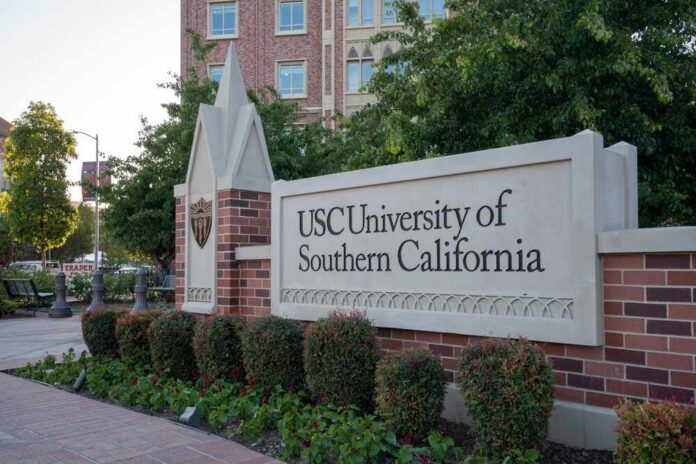
- USC abruptly canceled a televised California governor’s debate after backlash that its invitation criteria resulted in an all-white stage.
- The planned KABC-TV/USC event excluded four prominent Democratic candidates of color, triggering boycott threats, legal demands, and a legislative pressure campaign.
- USC said its polling-and-fundraising formula was objective, but leaders concluded the fight had become a “distraction” and scrapped the debate less than a day before airtime.
- The cancellation leaves voters without a major pre-primary forum in a chaotic top-two race where vote-splitting could reshape November’s matchup.
How a “data-driven” debate became politically impossible to hold
USC planned to host a gubernatorial debate with KABC-TV ahead of California’s June 2 top-two primary, using a selection formula built by USC professor Christian Grose. Reports say the criteria relied on polling and fundraising measures commonly used to gauge candidate viability. The flashpoint was the outcome: six invited candidates were white, while four prominent Democrats of color—Antonio Villaraigosa, Xavier Becerra, Betty Yee, and Tony Thurmond—were left out.
USC initially defended the methodology. A university statement described the process as data-driven and supported by academic research, arguing it was meant to keep the debate focused and workable. That defense did not stop the political backlash. Excluded candidates pressed rivals to boycott. Democratic legislative leaders and caucus chairs escalated pressure with a letter demanding changes, warning of a broader voter backlash if the debate proceeded under the original invitation list.
The pressure campaign: boycott threats, legal demands, and a late-night reversal
By Monday, the dispute had moved beyond campaign complaints into institutional crisis management. Coverage described legal demands from attorneys for excluded candidates and a widening push to delegitimize the event if it went forward. According to reporting, USC President Beong-Soo Kim sent an internal email around 10:30 p.m. Monday directing staff to cancel. The public announcement followed Tuesday, less than 24 hours before the scheduled debate.
The university framed the cancellation as a difficult decision driven by mission priorities, saying the controversy had become a significant distraction from voter education. USC also continued to defend the integrity of Grose’s work even as it pulled the plug. That split message—“our criteria were sound,” but “the event can’t happen”—is what many voters will remember. It reflects a familiar dynamic in elite institutions: procedures exist until politics makes them inconvenient.
What the invited and excluded candidates said—and what can be proven
Antonio Villaraigosa publicly praised the cancellation as the right call, though late and under pressure. Republican candidate Steve Hilton sharply attacked USC over the episode, calling the cancellation humiliating and urging further scrutiny, including talk of federal funding leverage. Other voices, including academic commentator Dan Schnur, argued the least damaging fix would have been expanding the stage to include all major candidates rather than canceling entirely. The sources agree on the core facts: invitation criteria produced an all-white lineup, then the debate was canceled amid escalating pressure.
Why this matters in a top-two system: voters lose information, insiders gain leverage
California’s top-two primary system raises the stakes of visibility and consolidation. With a crowded field and no clear front-runner, a single televised debate can shape donor behavior, media coverage, and late-deciding voters—especially as mail ballots approach in late April. Canceling the forum removes a key chance for voters to compare candidates side-by-side, and it shifts influence back to insiders, press strategies, and activist pressure—tools that tend to reward the loudest factions, not necessarily the best argument.
The bigger lesson for 2026: institutions retreat when politics turns procedural choices into moral tests
USC’s reversal highlights a pattern conservatives have watched for years: institutions promise neutral standards, then retreat when those standards produce politically unacceptable results. Here, the controversy wasn’t about an explicitly racial rule; it was about an outcome that became framed as bias. The result is not more transparency, but less—because voters now get no debate at all. With no rescheduled event confirmed in reporting, the practical impact is simple: less speech, less scrutiny, and fewer facts for the public.
USC said it would look for other ways to support voter education, and at least one figure, Rick Caruso, urged a reset that includes all credible candidates. For voters who are already skeptical of elite institutions, the episode reinforces a hard truth: once political pressure reaches a certain level, “objective” rules become optional. In a year when Americans are already exhausted by top-down narratives—whether in foreign policy or at home—California just offered a textbook example of how quickly public forums can disappear when controversy gets hot.
Sources:
University cancels California governor debate after accusations of bias from candidates of color
California leaders call to boycott debate if other candidates not included
University cancels California governor debate after backlash