

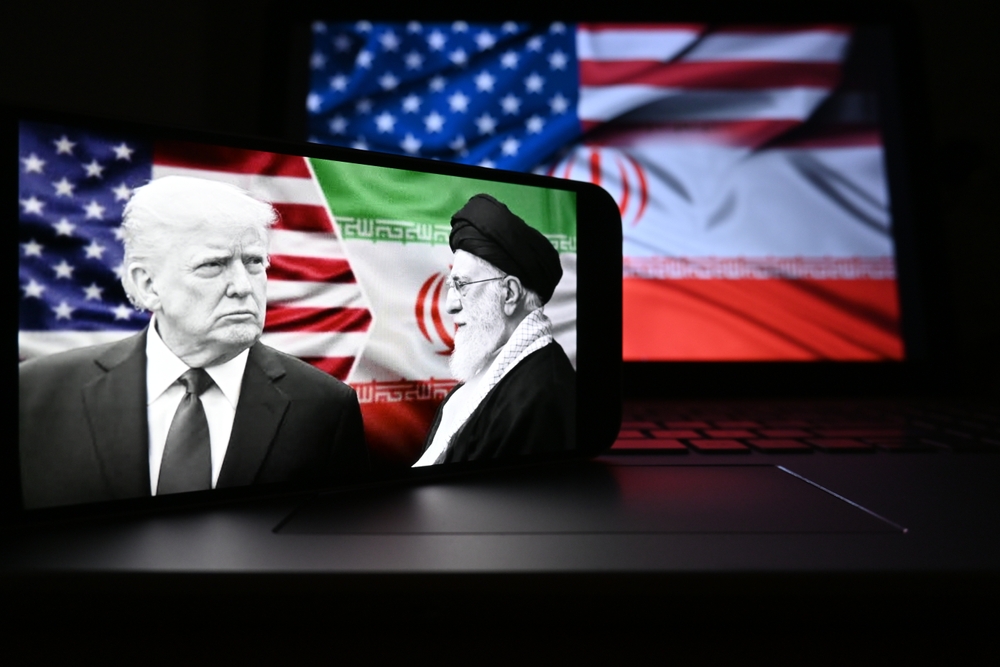

Carrier Strike Group ALERT – Iran Tensions Rise
Trump is turning nuclear diplomacy with Iran into a one-month test of strength—backed by carrier power and fresh economic pressure.
Quick Take
- President Trump warned Iran a failure to reach a nuclear deal within “the next month” could bring “very traumatic” consequences.
- The Pentagon has reportedly put a second aircraft carrier strike group on alert as negotiations continue but remain stalled.
- Iran has rejected a “zero enrichment” position, insisting it has rights to peaceful nuclear activity under the NPT.
- A new White House fact sheet describes an Executive Order expanding economic pressure, including tariffs tied to Iran-related commerce.
Trump sets a one-month deadline and keeps military options on the table
President Donald Trump publicly warned Iran that the window for a nuclear agreement is short, describing his timeline as roughly the next month and saying the alternative would be “very traumatic.” The warning followed a White House meeting with Israeli Prime Minister Benjamin Netanyahu, where Trump emphasized negotiations but did not remove other options. The approach reprises Trump’s familiar pattern: talk if a “fair and good” deal is possible, but keep pressure visible and credible.
Reports tied to the Wall Street Journal and echoed in subsequent coverage indicate the Pentagon has placed a second carrier strike group on alert for potential Middle East deployment. Trump amplified the reporting via Truth Social and later said he was considering the move. Former U.S. defense officials quoted in coverage framed the carrier posture as negotiation leverage rather than a signal that a strike is imminent, though they also described how targets could expand to Iranian defenses and missile-related sites if hostilities escalated.
Talks continue, but Iran’s enrichment position remains a central obstacle
Indirect talks between the United States and Iran took place last week, but reporting indicates the discussions focused on general nuclear “generalities” more than a detailed framework. Iranian officials have rejected a “zero enrichment” demand and have argued that enrichment for peaceful purposes is permitted under the Nuclear Non-Proliferation Treaty. That gap matters because Trump has repeatedly signaled that a deal must permanently block Iran’s path to a nuclear weapon, with inspections and monitoring, not simply new paperwork.
Netanyahu’s presence at the White House underscored how closely Israel is tracking the talks, and coverage describes him as skeptical about agreements that do not fully address the broader threat picture. Reporting also notes discussion of whether any deal should include constraints beyond the nuclear file, including ballistic missiles and Iranian proxy activity. The research provided does not include a finalized negotiating text or a jointly announced U.S.-Iran framework, so the public is left weighing statements, pressure signals, and the pace of diplomatic contacts.
White House Executive Order expands economic pressure through tariffs and enforcement tools
A White House fact sheet says Trump signed an Executive Order reaffirming a national emergency related to Iran and establishing tariffs tied to countries that buy Iranian goods and services, with implementation roles for the State Department, Commerce Department, and the U.S. Trade Representative. The administration frames the move as part of an “America First” approach designed to reduce threats from the Iranian government and to deny the regime resources that can fuel destabilizing activity.
“Maximum pressure” returns, with lessons drawn from earlier escalation
The current posture connects back to Trump’s first-term decision to withdraw from the JCPOA in 2018 and reimpose sweeping sanctions under a “maximum pressure” strategy, including the designation of the Islamic Revolutionary Guard Corps as a terrorist organization. The research also references an operation described as “Midnight Hammer,” said to have destroyed Iran’s nuclear facilities after Iran refused a deal, though the specific date is not fully pinned down beyond occurring post-inauguration and in June.
That unresolved timing detail is important because it highlights a broader limitation: the public record, as summarized in the provided research, includes forceful claims about damage to Iran’s program but does not provide granular technical assessments in the cited materials here. What is clear is the political message: Trump is pointing to prior escalation as a cautionary example while telling Iran it still has a path to a negotiated outcome—if it accepts strict constraints and verification that prevent a weaponized nuclear capability.
What it means for Americans watching inflation, security, and constitutional priorities at home
For U.S. voters who felt the last era’s foreign policy drifted into weakness, endless spending, and globalist ambiguity, the administration’s message is a sharp contrast: leverage first, clarity on red lines, and consequences for stalling. The immediate risk is regional escalation that could ripple into energy markets, shipping, and broader instability. The intended upside is deterrence—blocking a nuclear-armed Iran while protecting U.S. forces and allies, without committing to open-ended nation-building.
Because the Pentagon alert status does not equal an executed deployment order, and because negotiations are described as ongoing but not finalized, the most responsible read is that the administration is building negotiating power while preserving flexibility. Over the next month, the decisive signals will be whether Iran shifts on enrichment and verification—and whether U.S. military and economic pressure produces a concrete, enforceable agreement rather than another deal built on trust and vague promises.
Sources:
Pentagon puts second carrier group on alert for potential Middle East deployment