
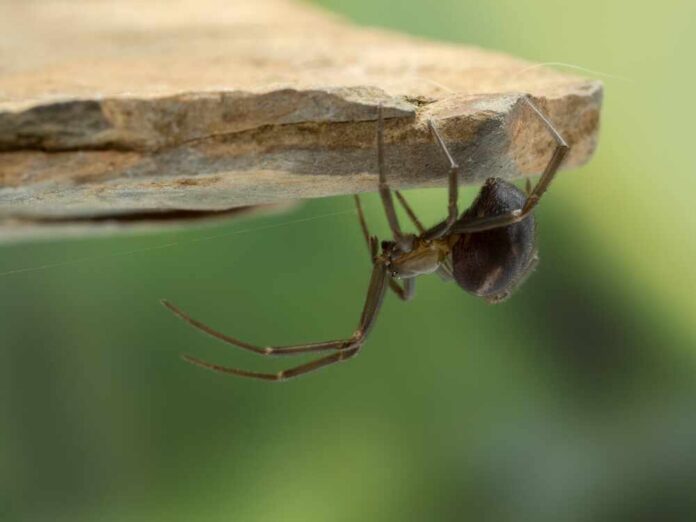
Britain’s invasive “most dangerous spider” sent nearly 100 people to hospitals in 2024, exposing how unchecked global migration—even of pests—threatens everyday safety in ways governments fail to control.
Story Snapshot
- Nearly 100 UK hospital treatments for false widow spider bites in 2024, the highest recent figure.
- A Coventry man suffered a “bowling ball-sized” swelling from a bite, highlighting painful real-world impacts.
- False widows, invasive since the 1870s, now thrive nationwide due to warmer climates, invading homes each autumn.
- Experts downplay lethality but confirm UK’s most venomous spider causes flu-like symptoms and swelling.
The Coventry Bite Incident
A man in Coventry required hospitalization after a false widow spider bite caused swelling the size of a bowling ball. Medical staff treated severe inflammation and pain that persisted for hours. This case underscores a national trend, with nearly 100 hospital visits for spider bites across the UK in 2024. False widows, resembling black widows but less potent, mimic deadly species yet pose growing risks to residents. Public health officials recommend cleansing wounds, applying cold compresses, and calling 111 for advice. Such incidents fuel concerns over invasive species disrupting local safety.
Historical Spread and Origins
False widow spiders arrived in the UK during the 1870s via cargo ships from warmer regions like Madeira, Canary Islands, and Cayman Islands. Six species now maintain permanent populations. Recent climate shifts have accelerated their expansion from southern England northward and into Europe. Populations grow exponentially, with annual autumn invasions of homes and greenhouses. Britain hosts over 650 spider species, but only about 12 bite humans. No native deadly spiders exist, yet imports like false widows fill that gap through human-facilitated global movement.
Expert Assessments of Risks
The Natural History Museum states false widow venom remains mild and not particularly potent, unlikely to cause death. Bites induce pain lasting 1-12 hours, rarely over 24, along with flu-like symptoms but no necrosis. Wildlife Trusts call it Britain’s most venomous spider yet emphasize symptoms stay limited to discomfort. A zoologist notes its extreme mildness despite potency claims. Rochdale Council describes bites as small and relatively harmless. Experts prioritize education over eradication, contrasting media hype.
Social and Health Impacts
Southern UK residents face routine autumn encounters, elevating risks for allergy sufferers. Hospital burdens stay minor at around 100 cases yearly, yet media terms like “flesh-eating” spark unnecessary panic. Pest control demand surges seasonally, while institutions like the NHM and councils provide identification guides. No fatalities occur, but swelling and infections strain NHS resources. Long-term, climate-driven spread promises sustained presence, mirroring broader frustrations with elite mismanagement of environmental borders.
Government Response Shortfalls
No central eradication policy exists; responses limit to public advisories from NHS and local councils. Scientific bodies like NHM serve as fact-checkers against sensational reports. This hands-off approach echoes deep state priorities—endless spending on global agendas over practical protections for citizens. Conservatives decry lax borders allowing invasive threats; even liberals question why officials prioritize reelection over tackling pests eroding daily life. Both sides see failure in addressing root causes like climate-enabled invasions.
Sources:
Man hospitalised after ‘bowling ball-sized bite’ by Britain’s most dangerous spider
How dangerous are false widow spiders?
Identify & control false widow spiders – Rochdale Council