
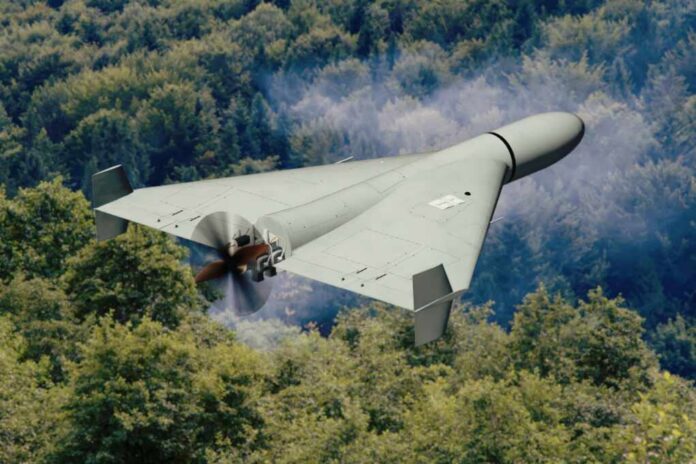
A claimed stockpile of 300 Russian and Iranian attack drones in Cuba is reviving Cuban Missile Crisis fears and raising hard questions about whether America is ready to defend its own homeland infrastructure.
Story Snapshot
- Commentators and viral posts allege Cuba now hosts roughly 300 Russian or Iranian attack drones aimed at U.S. targets.
- Public evidence so far points to speculation and open-source chatter, not confirmed inventories or seized shipments.
- U.S. surveillance flights near Cuba have sharply increased as tensions climb in the Caribbean.
- Modern drone warfare shows how even small, cheap systems can cripple oil, power, and port facilities if defenses are weak.
Alarming Drone Claims Put Cuba Back on America’s Radar
Reports claiming that Cuba has amassed about 300 Russian and Iranian attack drones within roughly 90 miles of the U.S. coast have exploded across social media and commentary outlets, instantly touching a nerve for Americans who remember the lessons of the Cold War. One thread of speculation centers on a “secret” Russian military aircraft that allegedly landed in Cuba and could have carried long‑range strike systems, possibly Shahed‑type drones similar to those used by Iran and Russia in other conflicts.[1]
Additional commentary pushes the idea that Russian Geran or Shahed‑class drones might now sit in Cuban hands, potentially capable of reaching U.S. territory or offshore assets.[4] These narratives often leap from “possible deliveries” to a concrete number of 300 drones without providing any publicly verifiable shipping records, satellite imagery, or official confiscation reports. The rhetoric taps into real strategic concerns about cheap long‑range drones, but it currently rests more on inference and fear than on documented Cuban inventories.[1][4]
What the Evidence Actually Shows—and What It Does Not
The material available so far does not include a manifest, intelligence leak, or satellite-confirmed count of 300 drones physically stored in Cuba. The key video that sparked much of the online firestorm uses careful language such as “possibly carrying long range weapons” and “it is possible right now that Russia is secretly delivering Shahed drones to Cuba,” which indicates conjecture rather than confirmation.[1] An opinion piece on a renewed “Cuban Crisis” likewise discusses Geran‑class drones as an uncomfortable potential, not a documented arsenal.[4]
At the same time, the broader pattern of reporting shows how such stories tend to evolve. Analysts note that in many national security cases, early public discussion of covert weapons transfers leans heavily on ambiguous indicators—unusual aircraft, docking patterns, or radar tracks—which can be over‑interpreted during periods of existing geopolitical tension.[2] Historically, many sensational claims about massive hidden stockpiles never become publicly substantiated at the level of inventories or seizures that would withstand scrutiny, so responsible observers distinguish between a “possible transfer” and a “confirmed stockpile.”[2][3]
U.S. Surveillance Flights Signal Washington Is Taking No Chances
While the 300‑drone figure remains unproven in open sources, the United States military clearly views Cuba as an area requiring close attention. Reporting based on flight‑tracking data shows that since early February, U.S. forces have flown at least 25 surveillance missions near Cuban shores, using aircraft such as P‑8A Poseidon patrol planes, RC‑135V Rivet Joint electronic intelligence aircraft, and high‑altitude Triton drones.[1][2] Many of these flights occurred near Havana and Santiago de Cuba and reportedly came within about 40 miles of the Cuban coastline.[1][2]
Some operations have included airborne early warning and control aircraft, suggesting a layered approach that can coordinate multiple platforms and monitor both air and sea lanes around the island.[1] Analysts quoted in coverage of these missions say that the pattern of openly visible surveillance resembles the preparatory steps the United States took before previous operations in places like Venezuela and Iran, where Washington wanted both situational awareness and deterrent signaling.[2] This stepped‑up presence around Cuba indicates that the Trump administration is determined not to be surprised by any new Russian or Iranian military foothold so close to Florida.
Why Drone Warfare Near Cuba Matters for U.S. Homeland Security
Beyond the disputed number, there is no doubt that Russian and Iranian one‑way attack drones have shown their ability to cause disproportionate damage when defenders are slow or unprepared. Iranian‑linked Shahed systems have been used extensively in the current Middle Eastern conflict, with thousands of missiles and drones launched at countries across the Gulf and at Israel over a prolonged campaign.[4][3] Separate reporting has documented how concentrated Ukrainian drone strikes have disrupted Russian oil infrastructure, contributing to gasoline shortages and price spikes.[5]
🇺🇸 Cuba bought hundreds of Russian & Iranian drones, discussing strikes on US base Guantanamo, Navy ships, and Key West. No imminent attack signs, per US officials. (Axios via classified intel)
— Doggo breaking news (@datphamtha91354) May 17, 2026
Those examples illustrate why even a modest drone presence in Cuba would raise red flags for Americans worried about refineries, ports, bases, and power infrastructure along the Gulf and Atlantic coasts. Conservative voters who watched Washington tolerate years of open borders and energy dependence see another potential vector of vulnerability just 90 miles off Florida’s shore. The available evidence does not yet confirm 300 attack drones on the island, but it strongly supports rigorous surveillance, hardened coastal defenses, and serious energy and infrastructure security—before a crisis, not after.[2][4][5]
Sources:
[1] YouTube – Secret Russian Plane SNEAKS Into Cuba – Strike Weapons …
[2] YouTube – IS CUBA NEXT? US Drones Swarm Russian Ally as Havana Warns …
[3] Web – Russia hammers Ukraine in biggest prolonged drone attack since …
[4] Web – Cuban Crisis 2.0. What If ‘Gerans’ Flew From Cuba? – OpEd
[5] Web – Gasoline ‘Frequently’ Absent in Russia After Ukrainian Drone …