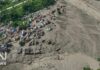
A sudden flash flood tore through Bright Angel Canyon, forcing a helicopter evacuation at Phantom Ranch but leaving everyone alive and accounted for.
Story Snapshot
- Flash flooding began around 2:30 p.m. in Bright Angel Canyon; air evacuations followed.
- The National Park Service reported no injuries during the operation.
- By the next morning, 62 people had been evacuated from Phantom Ranch and the lower North Kaibab Trail.
- Phantom Ranch and the entire North Kaibab Trail were closed until further notice.
Flash Flood Triggers Rapid Air Evacuation at Phantom Ranch
Grand Canyon National Park reported a significant flash flood in Bright Angel Canyon at about 2:30 p.m., which quickly prompted air evacuations from the Phantom Ranch area. Park officials said they began moving about 50 people by helicopter as water rose and debris moved through the corridor. By the next morning, the National Park Service said 62 people had been evacuated from Phantom Ranch and the lower North Kaibab Trail, reflecting the full overnight response and staging. Local outlets confirmed the same core facts across reports.
The National Park Service stated that no injuries had been reported during the evacuations. Rangers closed Phantom Ranch and the entire North Kaibab Trail to protect hikers and crews while floodwaters and debris settled. The park’s key messages page listed the closure, including the North Kaibab Trailhead to Phantom Ranch, reinforcing that access would stay restricted while assessments and operations continued. Officials did not immediately release names of evacuees or specific aircraft details, which is common during active incidents.
Closures and Conditions in a Post-Fire, Monsoon-Prone Landscape
Park managers warned ahead of monsoon season that burned areas can flash flood faster and with more debris than unburned ground, a known risk that led to quick closures here. When rain hits fire-affected soils, water runs off more quickly, can carry rocks and logs, and can block trails and bridges. That pattern explains why rangers restrict access early and move people by air when canyons narrow and escape routes shrink. The decision to close Phantom Ranch and the North Kaibab Trail lines up with that safety playbook.
Officials emphasized the scope of this event centered on Bright Angel Canyon and the Phantom Ranch corridor, not the entire park. The closure list and warnings focused on the North Kaibab Trail and its approach to the river, where runoff concentrates and hazards rise. This targeted approach seeks to keep visitors safe without overstating the reach of the flood. Still, fast water and debris can change conditions within minutes, so managers tend to err on the side of caution during the peak storm window.
What Hikers and Families Should Know Right Now
Hikers should avoid closed areas and check official park updates before travel. The park’s confirmed tally reached 62 evacuees by the morning after the flood, which reflects the evolving nature of air operations during the night and early day. Multiple news outlets matched the initial reports that roughly 50 people were being moved, showing broad agreement about the rescue actions and safety outcomes. Families with reservations at Phantom Ranch should expect delays while crews inspect trails and repair damage.
Grand Canyon NPS: an Aug. 29 flash flood in Bright Angel Canyon/Phantom Ranch triggered a 62-person helicopter evacuation. More than 20 people remain unaccounted for as search efforts continue. https://t.co/Erw1lTxTIM
— Emergency Responder Reporter (@RedLightsRotors) August 30, 2026
Grand Canyon crews train for these moments, and their quick action protected lives without injury being reported. This is what strong field leadership looks like: clear warnings, decisive trail closures, and rapid air support when the canyon funnels water with little warning. Visitors can help by heeding closures, watching weather alerts, and planning alternate routes. As always, official park channels remain the best source for updates on reopening and safe access to the inner canyon.
Sources:
nps.gov, azfamily.com, 12news.com, eternaltrace.com.ng