
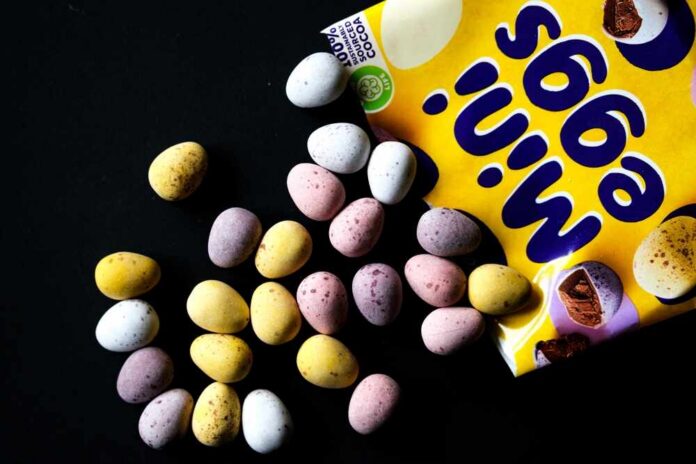
A viral taste test reveals budget-friendly Aldi chocolate eggs may rival the iconic Cadbury Mini Eggs, exposing how premium brands charge consumers more for what could be virtually identical products—a stunning reality check for families already squeezed by inflation.
Story Snapshot
- YouTube creator’s blind taste test shows Aldi Mini Eggs matching or exceeding Cadbury’s premium version in quality
- Aldi’s chocolate eggs cost roughly £0.79 compared to Cadbury’s £1.99, offering families over 60% savings during inflationary times
- Consumer group Which? confirms similar findings, with Aldi products scoring comparably to premium brands in independent tests
- The trend accelerates market shift toward discount retailers, with Aldi capturing 10%+ UK market share and growing 15% year-over-year
Viral Video Exposes Premium Brand Pricing
A YouTube content creator conducted a blind taste test comparing Cadbury Mini Eggs against Aldi’s budget alternative, with results that challenged conventional wisdom about premium chocolate brands. The video, emerging during the March 2026 Easter shopping season, showcased the discount retailer’s product performing surprisingly well against the established Cadbury brand. This comparison format leverages objectivity by removing brand recognition from the equation, forcing participants to judge solely on taste and texture. The creator’s shocked reaction, captured in the video title claiming the result “knocked my socks off,” resonated with viewers seeking value amid ongoing inflation pressures affecting household budgets.
Decades of Brand Dominance Faces Discount Challenge
Cadbury Mini Eggs launched around 1967 under what is now Mondelēz International, establishing themselves as an Easter tradition with their distinctive crunchy candy shell and creamy milk chocolate center. The product generates over £50 million annually in the UK Easter confectionery market. Aldi entered the UK market in 1990, pioneering a business model centered on private-label “dupes” that mimic premium products at substantially lower prices through cost efficiencies and streamlined operations. The German discount chain has systematically challenged brand loyalty by offering comparable quality without the marketing overhead and brand premium that traditional manufacturers build into their pricing structures.
Independent Testing Validates Consumer Findings
Consumer advocacy group Which? has documented similar results in controlled taste tests, with Aldi chocolate products scoring 78 out of 100 compared to Cadbury’s 76 in comparable categories during 2023 evaluations. Food scientists explain that the signature shell crunch comes from carnauba wax coating, a technique easily replicated by competent manufacturers regardless of brand prestige. Retail analysts from Kantar report that approximately 40% of consumers switch to discount alternatives after exposure to viral comparison content. This pattern represents a fundamental shift in consumer behavior, where traditional brand loyalty erodes when families face sustained economic pressure and discover functionally equivalent alternatives at fraction of the cost.
Market Shift Accelerates Toward Value-Conscious Shopping
The broader confectionery market shows discount retailer dupes now capturing roughly 30% of Easter chocolate sales, forcing premium brands to reconsider pricing strategies and innovation approaches. Aldi’s Easter product line regularly sells out following viral social media comparisons, with historical data indicating 10-20% sales uplifts correlating to popular comparison videos. Cadbury’s 2025 Easter campaign emphasized “original taste” messaging, an implicit defensive response to the growing dupe phenomenon. This competitive dynamic benefits consumers directly through lower prices while pressuring established brands built on perceived quality differentiation. The trend extends beyond chocolate, reflecting broader Fast-Moving Consumer Goods sector movement toward private labels that challenge whether premium pricing truly correlates with superior products or simply subsidizes expensive marketing campaigns.
Economic Reality Drives Smart Consumer Choices
With food inflation running 5-10% and household budgets strained, families saving over £1 per chocolate purchase makes tangible difference when multiplied across grocery shopping trips. The £2 billion UK chocolate market continues shifting toward discount retailers, validating consumer instincts that quality doesn’t require premium pricing. This represents practical household economics, not brand disloyalty—families simply refuse paying double for comparable products when credible alternatives exist. While taste preferences remain somewhat subjective, the consistent pattern across independent tests and consumer comparisons suggests premium chocolate brands may struggle justifying their pricing premiums. For families navigating economic uncertainty, these viral comparisons provide valuable information enabling informed purchasing decisions that protect household budgets without sacrificing quality expectations.