
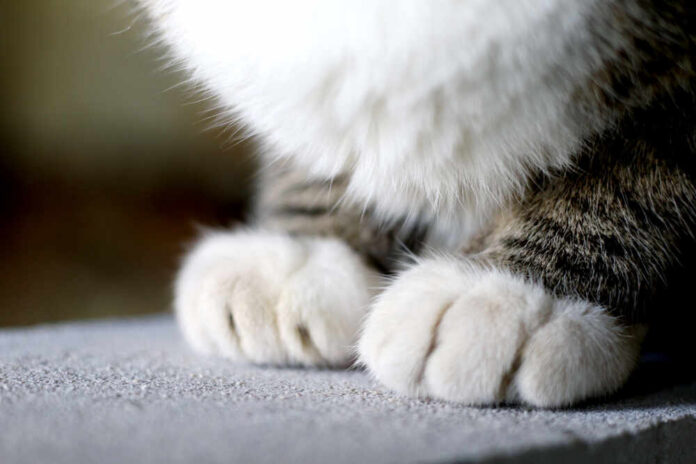
A feel-good stray-cat story just collided with a hard lesson about online accountability after a viral YouTube channel admitted it shared a woman’s footage without permission.
Story Snapshot
- A woman spent weeks feeding a shy stray cat, “Dwight,” who wouldn’t appear until she left the food and stepped away.
- Dwight’s breakthrough came when she changed one habit: she stayed nearby, letting him choose contact on his terms.
- After Dwight began accepting touch, he eventually entered her home and was later found to be FIV-positive, meaning he needs a suitable placement as an only-cat household.
- The YouTube channel “Pawmise Tales” posted the story, then issued a public apology on March 4, 2026, saying it lacked permission and would halt related content.
A patient routine turned a roadside stray into a house cat
The caregiver, identified as Instagram user @cheekydwight in the research, started with a cautious routine that matched Dwight’s fear: she left food at a distance and walked away. Dwight reportedly hid in roadside bushes, waited until she was gone, ate quickly, and disappeared again. Over weeks, the pattern stayed the same—consistent meals, no forcing contact, and no sudden moves that would drive him back into hiding.
The turning point came when the woman set the food down and sat nearby rather than leaving entirely. Dwight approached, watched her, and ate without bolting—an early sign the fear response was fading. As days passed, he came out sooner and lingered longer, eventually nosing her hand and allowing brief petting. The research describes this as gradual trust-building rather than a dramatic “instant rescue,” with Dwight maintaining control over distance and timing.
Dwight’s “surprise” wasn’t kittens—he chose the window and the couch
Many viral stray-cat stories hinge on a “plot twist,” often the cat returning with kittens. This case differed: Dwight’s big step was entering the home. According to the research, he came in through a window and began to relax indoors, transforming from a frightened cat that ate only after dark into an affectionate companion. That shift matters because it shows how low-pressure consistency can succeed where chasing, grabbing, or cornering a stray usually fails.
The medical detail also changed the stakes. Dwight was diagnosed with FIV (feline immunodeficiency virus), a condition commonly associated with stray populations and often linked to fighting or rough outdoor living. The research says he is safe indoors and awaiting adoption, but placement needs to be selective—described as a home where he would be the only cat to reduce transmission risk. No later adoption update was provided in the material.
Viral rescue content meets a permission problem
The most concrete “current development” in the research is not about Dwight’s health but about content ownership. The YouTube channel Pawmise Tales posted Dwight’s story and then added an apology dated March 4, 2026. The channel said it shared the story without permission, stated its intention was to highlight an inspiring journey, and said it would stop running Dwight-related content while trying to contact @cheekydwight beyond Instagram.
The available facts don’t establish a broader dispute beyond what the channel itself acknowledged, but the episode reflects a recurring tension in social-media storytelling: emotional footage travels fast, while consent and credit often lag behind. For audiences tired of institutions acting with impunity, the practical takeaway is simple—transparency and accountability still matter, even in “just a viral animal video.” The research provides the apology language but not any separate statement from the caregiver.
What this story says about community responsibility—without government overreach
The research ties Dwight’s story to larger patterns in stray and feral cat management, including the rise of social media rescue narratives and the role of trap-neuter-return (TNR) programs that expanded in the 1980s. While the story itself is personal and small-scale, it highlights a community-level issue: stray populations exist whether officials act or not, and everyday citizens often fill gaps through feeding, fostering, and networking adoptions with local rescues.
Because the research does not provide verified details about Dwight’s location, local ordinances, or any animal control involvement, the limits are clear: readers can’t draw conclusions about a specific city’s policy from this case alone. What is supported is narrower and more useful—patience and consistency helped a fearful animal become adoptable, and a public apology showed that even popular creators can be pressured to respect basic boundaries.
Sources:
Caring Woman’s Stray Cat Feeding Routine Gets the Most Adorable Plot Twist