
An 83-year-old Christian grandmother in Ontario reportedly cried two days before her death, saying “I made a mistake” and asking “Am I going to die Friday?” — then died anyway under Canada’s government-run euthanasia program, her family says, without ever giving a clear final yes.
Story Snapshot
- Brigitte “GG” Stegemann, 83, died July 10, 2026, under Canada’s Medical Assistance in Dying (MAID) program.
- She had previously refused MAID because it violated her Christian faith, her family says.
- Relatives say she gave no final verbal consent and sat silent, dying with her hands clasped in prayer.
- Belleville Police confirm an open criminal investigation as the family pushes for a coroner’s review.
A Grandmother’s Final, Silent Moments
Brigitte Stegemann lived at The Pearl care home in Cannifton, Ontario, before her death on July 10, 2026. Her family says she had turned down Medical Assistance in Dying before, telling relatives it went against her Christian beliefs. Two days before she died, they say she broke down in tears and admitted she had “made a mistake” about moving forward with the procedure.
Her granddaughter, Brigitte Kranendonk, who held power of attorney, says Stegemann asked out loud, “Am I going to die Friday?” — a question her family says shows confusion, not calm resolve, in the final days before the scheduled procedure. Relatives say she never gave the final spoken “yes” that Canadian law is supposed to require before death is administered.
Hands Clasped In Prayer
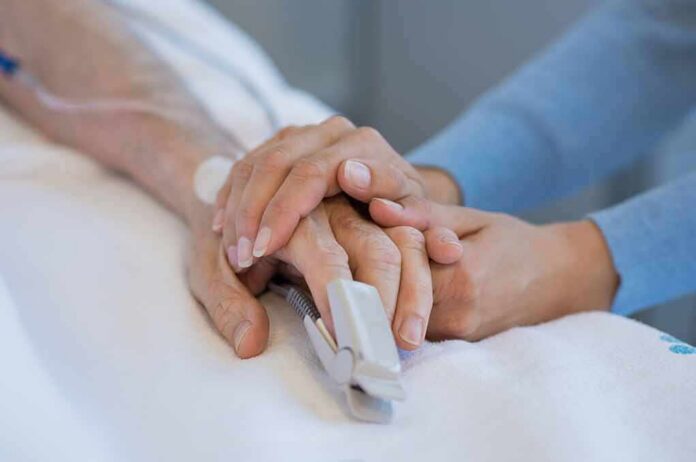
Family members say Stegemann remained silent during the moments when consent was supposed to be confirmed. She reportedly died with blood on her and her hands clasped together in prayer, an image her family has used to argue she never wanted this outcome. For a devout Christian woman who once refused the procedure on religious grounds, the scene has become the emotional center of the family’s case.
A physician involved in the case reportedly told the family a different story. According to relatives, the doctor emerged from Stegemann’s room and said, “I have deemed her capable of making her own decisions,” adding that Stegemann had agreed to move forward. The care home and its MAID practitioners have not publicly commented, but are understood to maintain that Stegemann legally consented.
Police And Coroner Now Involved
Belleville Police confirmed the case is open and active under the department’s Criminal Investigations Division. The family has also filed a formal complaint with Ontario’s Office of the Chief Coroner, asking for a full review of whether proper consent procedures were followed before the procedure moved forward. They have separately reached out to the province’s Patient Ombudsman for answers.
This is not just a family’s grief spilling into public view. It is a direct test of whether Canada’s supposed safeguards on ending a life actually mean anything when a patient is old, sick, and possibly losing her grip on what is happening to her.
A Loophole Big Enough To Drive A Policy Through
Canadian law says a patient must expressly consent immediately before MAID is provided. But there is a carve-out: a “waiver of final consent” lets the procedure go forward even if the person can no longer confirm they still want it, as long as they agreed to it earlier while considered capable. Health Canada’s own data show this is not rare. In 2023 alone, 594 MAID deaths nationwide happened under a waiver of final consent because the person had lost capacity.
It's called murder and care home abuse.
"‘I used very frank terms. I said: “Do you know that you’re going to die on Friday?”'
The 83-year-old was in visible disbelief and began crying for 45 minutes. ‘I’ve made a mistake,’ Brigitte Stegemann, known affectionately to her family… https://t.co/A62vvHB6lJ— Rhonda Dolen (@RhondaDolen) September 21, 2026
That loophole is exactly what conservatives have warned about since Canada expanded its euthanasia program: a system built to sound careful on paper while quietly making it easier to end a vulnerable person’s life without a clear voice in the room. A grandmother who once refused this procedure on faith grounds, then reportedly wept and said she’d made a mistake, is precisely the kind of case that loophole was never supposed to allow through unchecked.
Canada already has one of the highest euthanasia rates in the world, and cases like Stegemann’s are fueling growing alarm that “choice” language hides a system sliding toward convenience over conscience. For American families watching from across the border, the warning is blunt: once government builds a fast lane to death, the exit ramps for the sick, the confused, and the faithful start to disappear.
Sources:
economictimes.com, inkl.com, righttolife.org.uk, lifenews.com, spzh.eu, canada.ca