
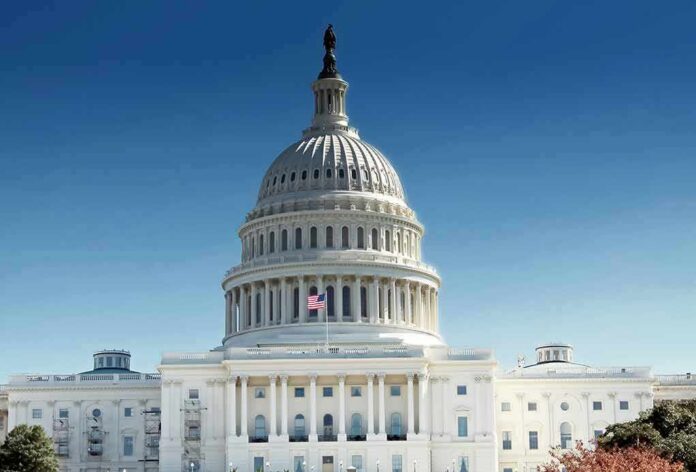
A Democratic impeachment push just stumbled when a candidate could not clearly name the charges against President Trump — even as Rep. Al Green filed formal articles to remove him.
Story Snapshot
- Rep. Al Green filed formal impeachment articles using constitutional language against President Trump.
- Democrats revived impeachment rhetoric tied to immigration enforcement and other disputes.
- Key legal debate centers on whether non-criminal acts can justify impeachment.
- Public moments show shaky command of alleged charges, fueling claims of partisan theater.
Formal Filing: What Rep. Al Green Submitted
Rep. Al Green of Texas announced on August 24, 2026, that he filed articles of impeachment, House Resolution 1486, to impeach President Donald John Trump for “high crimes and misdemeanors”. The filed document uses explicit constitutional language that states the President “is impeached for high crimes and misdemeanors”. A separate Green document from 2025 also outlines impeachment articles in formal terms that mirror historic templates used by the House. These filings mark yet another effort from Green, who has pursued similar measures before.
Green and supporters framed the newest filing around policy and conduct disputes tied to immigration enforcement and oversight. Reports describe claims that immigration agencies operated with “impunity,” which Green cast as abuse, though the resolution itself must carry the legal weight in the House process. Local backers promoted the filing at a Houston press event, highlighting grievances against Trump’s enforcement approach while calling the move necessary and urgent. These steps continue a political strategy that seeks floor attention, even with long odds in the Senate.
Impeachment As Political Weapon or Constitutional Duty?
Democrats argue that impeachment allows Congress to respond when a president’s actions threaten constitutional order, even if no criminal statute is charged. House managers and allies have long said “abuse of power” can be impeachable, pointing to broad constitutional standards. Republican and conservative legal voices counter that vague charges risk turning impeachment into raw politics. Alan Dershowitz’s well-known view, cited widely during the 2020 trial coverage, argued that “abuse of power, even if proved, is not an impeachable offense”. This divide shapes every modern impeachment push.
Trump’s prior legal defenses invoked the First Amendment and warned that punishing political speech would chill debate, calling it “core free speech under the First Amendment”. Supporters add that voters—not partisan votes—should settle policy fights. Independent congressional research underscores that “high Crimes and Misdemeanors” leaves Congress wide discretion, but also warns against sweeping standards that drift from clear misconduct. That tension fuels repeat filings that rarely end in Senate conviction, while still drawing headlines and fundraising.
Campaign Rhetoric Meets Governing Reality
The latest viral moment, where a Democrat calling to “impeach Trump” struggled to list clear charges, exposed a messaging gap. When campaign lines outpace the legal case, voters sense theater. Green’s filings name “high crimes and misdemeanors” and refer to specific disputes, especially on immigration, but public advocates often default to slogans. That mismatch helps Republicans argue Democrats are using impeachment as a lever against policies they lost at the ballot box, rather than for proven constitutional violations.
.
THE PARDONS RACKET
The Presidential Pardon Power and the Man Who Monetized It
.By Robin Riley Reynolds
.THE LAW
Article II, Section 2 of the United States Constitution contains thirty-nine words that have never been seriously challenged and have never been adequately… pic.twitter.com/QmpWqH2ZkV
— Robin Reynolds (@RobinvReynolds) September 2, 2026
For conservatives, the stakes are simple. Immigration enforcement, border security, and executive actions to restore law and order are not “impeachable” because activists dislike them. The Constitution demands a sober standard. Congress holds the power to impeach, but it also bears a duty not to cheapen it. When leaders file yet another impeachment article while allies fumble the basics on camera, it undercuts trust and distracts from real work like taming inflation, lowering energy costs, and securing the border.
Why This Matters To You
Every impeachment push drains time and attention from daily issues. Families are paying more for food and gas. Communities want safer streets and a secure border. President Trump was elected to reverse the chaos from past leftist policies and to defend the Constitution. Congress can and should conduct oversight. But voters deserve clarity, not slogans. If Democrats claim “high crimes,” they must say exactly what, where, and how—using facts that meet the constitutional bar, not partisan anger dressed up as law.
Sources:
twitchy.com, algreen.house.gov, thehill.com, washingtonexaminer.com, pbs.org, law.cornell.edu, abcnews.com, abcnews.go.com