
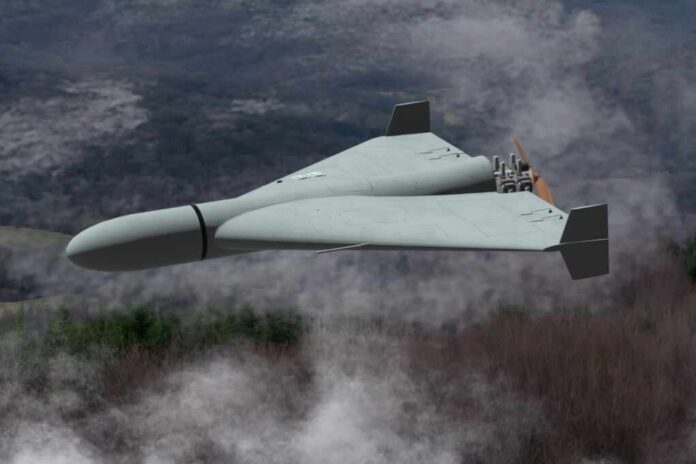
Lithuania’s quick move to shelters over a Belarus-border drone alert showed how little room Europe has left for mistakes in the skies.
Quick Take
- Lithuanian authorities treated the object as a serious airspace violation and moved top officials to safety as a precaution [1][3].
- The object crossed from Belarus into Lithuanian airspace and later was described by border officials as a homemade aircraft [2].
- Authorities initially compared it to a Shahed-type threat, then later said it appeared to be a makeshift unmanned aircraft [1].
- The incident fed a wider security debate over drones, borders, and the strain on NATO’s eastern flank [1][3].
Officials Reacted Fast as the Object Crossed the Border
Lithuanian leaders briefly went to shelters after authorities detected an object entering from Belarus, a move that underscored how seriously Vilnius treats these border incidents [1][3]. Reports said the object was spotted by border officers and later crashed near the frontier, prompting a rapid response from police, fire crews, and military personnel [2]. For a country living next to an aggressive Russian ally, the precaution was not theatrical. It was standard survival instinct.
Public reporting said the initial concern was that the object could be a Shahed-type drone, the sort Russia uses in attacks on Ukraine [1]. That early comparison matters because it explains why officials did not brush the event off as a toy or a stray weather device. Even before the full picture was known, Lithuanian authorities had enough reason to treat the crossing as a potential security threat rather than a harmless nuisance. In today’s Europe, that distinction can mean minutes.
Border and Military Officials Later Downgraded the Threat
After the first alarm, Lithuania’s border service described the object as a homemade aircraft that looked like it was built from plywood and foam [2]. Officials also said there was no indication it was carrying cargo and that it posed no threat [2]. Euronews reported that investigators later concluded the object was an unmanned makeshift plane rather than a military strike drone [1]. That does not erase the alert, but it does show the value of restraint before jumping to conclusions.
The later description weakens claims that this was a proven hostile strike, because the available reporting does not show a weaponized payload, an attack order, or a confirmed launch chain [1][2][3]. What the record does show is a border crossing that forced immediate action under uncertainty. That is exactly the kind of situation that tests a nation’s air-defense readiness and public trust at the same time. When governments face ambiguous aerial intrusions, they should respond quickly, then release facts just as quickly.
Why This Incident Still Matters for NATO’s Eastern Flank
The deeper issue is not whether this single object was armed. It is that small aerial crossings from Belarus keep forcing Lithuania and its allies to spend time, manpower, and attention on low-cost threats [1][2]. That is the kind of asymmetry hostile regimes love. Cheap drones, balloons, and improvised aircraft can trigger expensive responses, public anxiety, and political confusion. For conservatives who want strong borders and serious national defense, this is a reminder that deterrence fails when governments let chaos pile up.
Lithuanian government was taken to a bunker
A drone approaching from Belarus triggered a security alert in Lithuania. The president, prime minister, and speaker of the Seimas were urgently taken to shelters.
Members of the Lithuanian parliament (photo) were likewise in… https://t.co/D3s1GnSmWB pic.twitter.com/6UhP8HqVlq
— NEXTA (@nexta_tv) May 20, 2026
Social media coverage amplified the sense of urgency, with posts describing bunker alerts, air raid warnings, and NATO fighter jet activity [social research]. That kind of reaction spreads fast because the public has watched too many war headlines become normalized. Still, the sober reading is straightforward: Lithuania responded as if the object could be dangerous, then later officials indicated it appeared crude and non-threatening [1][2][3]. The response was serious. The final classification was less dramatic. Both can be true.
Sources:
[1] Web – Lithuanian politicians taken to shelters after Belarus airspace …
[2] Web – Lithuanian leaders taken to shelter as Belarus-launched aircraft …
[3] Web – Lithuanian Leaders Taken to Shelters After Airspace Alert