A jury’s fraud conviction in a pediatric “cancer” fundraiser shows how online pity scams drain trust and hurt real families.
Story Snapshot
- A jury convicted Monika Burgett of telecommunications fraud and child endangerment tied to a fake cancer story.
- Prosecutors said she claimed her preschool son had terminal cancer and raised tens of thousands online.
- A doctor testified she inserted herself into the child’s care while he received powerful drugs.
- A judge ordered more than $26,000 repaid so donors could get refunds.
Jury Verdict And Sentence In Pediatric Cancer Fundraising Case
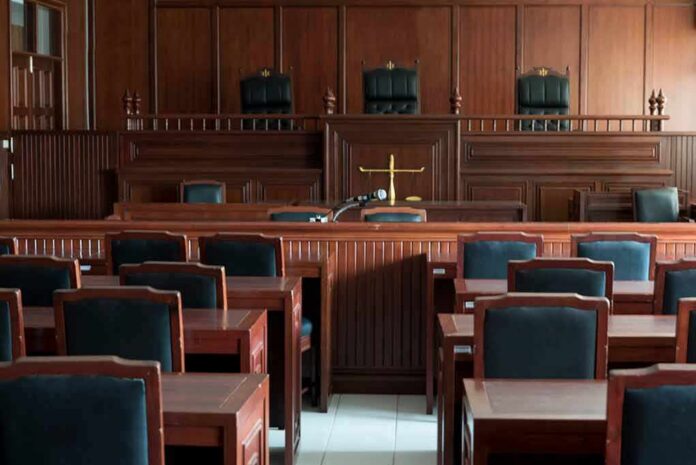
Hamilton County jurors found Monika Burgett guilty in August 2017 of telecommunications fraud and misdemeanor child endangerment after a trial focused on a false pediatric cancer claim tied to online donations. In December 2017, the court sentenced her to five years of probation and related conditions. The conviction capped a case that alarmed parents, doctors, and donors. The verdict also warned would-be scammers that crowdsourcing lies is still fraud, even when masks of sympathy and illness are used.
Sentencing reports state the judge also addressed restitution so donors could be made whole. The court ordered Burgett to repay more than $26,000 to the crowdfunding platform for donor refunds, reflecting the court’s view that money flowed based on false claims. While outlets reported that the campaign raised about $40,000, public summaries do not map every dollar, fee, or refund. That accounting gap remains a limit of available records, not a defense to the fraud counts reported.
What Prosecutors Presented About The Claims And The Child’s Care
Prosecutors told the court that Burgett said her preschool son had terminal cancer, used that story to seek medical care, and raised money online. Trial coverage reported that a physician testified Burgett “became a member of the health care team” while the child received drugs including oxycodone and methadone. The prosecutor also told jurors that Burgett shaved the boy’s head and eyebrows for photos to post on the fundraising site. Those details helped the jury see intent, not confusion, behind the story.
Reports from sentencing summarized that the child had a genetic condition that caused benign growths, not terminal cancer. That distinction mattered to jurors who had to weigh intent. The defense said the boy had many medical problems since a premature birth and that the mother was seeking help, but they acknowledged she lied about being a doctor. The case shows how a lie about credentials can snowball, sway treatment settings, and mislead donors trying to do good.
Admissions, Disputes, And The Limits Of Public Records
A later interview quoted Burgett admitting she lied about being “an infectious-disease physician,” and saying, “I said he had a tumor,” while denying she claimed to be the child’s practicing pediatrician. She also said a friend started one campaign and the second page did not say “cancer”. Those statements conflict with the prosecution’s narrative, but the jury weighed evidence at trial. The public does not have the full docket or transcript to re-try the case at home.
Coverage notes that the precise wording of every post and the complete medical chart were not published for public review. That means outsiders cannot judge every treatment decision or dollar. Still, the core outcomes are clear: a criminal conviction, a probation sentence, and a repayment order aimed at donor refunds. Those are not rumors. Those are court results. That is enough to warn readers about how fraud online can exploit compassion at scale.
Why This Matters To Donors, Doctors, And Conservative Families
Charity is a core American value. Fraud that plays on a child’s pain hijacks that value and mocks personal responsibility. Donors who skip middlemen and give directly to families want to help, not feed a scheme. Cases like this push platforms to tighten rules and push law enforcement to act, which is good. But families should still verify claims, ask for updates, and give through trusted channels when possible, because deterrence works best when citizens stay alert.
Doctors and hospitals also need clear protocols that verify caregiver claims before powerful drugs are given. The case shows how false credentials can pressure systems meant to heal. Responsible checks protect children and protect scarce resources. Conservatives know that strong institutions depend on truth. When lies waste medical time and donor money, real patients wait longer and honest families carry more doubt. That is unfair, and it is fixable with vigilance and enforcement.
Sources:
youtube.com, truecrimenews.com, spectrumlocalnews.com, justice.gov