Deep mistrust in eastern Congo is fueling attacks on health workers and blocking Ebola care, letting the virus spread faster and deadlier.
Story Snapshot
- Reuters and the World Health Organization say low trust is delaying care and blocking safe burials.
- Responders report threats and attacks that force teams to abandon lifesaving work.
- Worker pay delays and the use of militias risk worsening community anger and fear.
- Local leaders and door-to-door outreach have started to rebuild trust in some areas.
Documented Mistrust Is Slowing Care And Tracing
Reuters reported that residents in North Kivu and Beni often refuse temperature checks and avoid clinics until they are very sick, making Ebola harder to contain. The World Health Organization said rumors and fear of treatment centers slow alerts, delay care, and block contact tracing and case management. Health workers warned that late presentation raises the risk of family spread and community deaths. These delays strain clinics and make isolation and safe treatment far more difficult during a fast-moving outbreak.
The World Health Organization shared survey results that show only about one third of people trusted responders, a third denied Ebola existed, and most had heard troubling rumors about treatment centers. That finding matches field accounts that some families blame witchcraft or poisoning instead of infection, and then resist public health rules. In that setting, simple steps like temperature checks can look like threats. Clear, local voices and honest answers about care are essential to calm fear and speed treatment.
Threats And Violence Are Disrupting Safe Burials
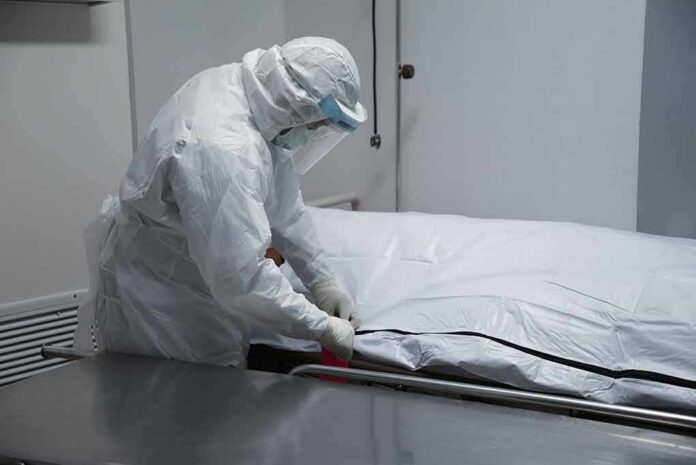
United Nations reporting described a burial where workers were threatened and told rebels would be called if they stayed, forcing them to leave. Reuters documented attacks on health teams, including a machete assault on a burial worker and vandalism of an ambulance in Beni. Another Reuters report said residents attacked a burial team in South Kivu, causing responders to abandon a coffin while locals handled the body, raising exposure risks for mourners and neighbors. Each incident tears holes in basic outbreak control.
Safe and dignified burials protect families from infection. When mobs seize bodies or block burial teams, the virus can spread through last rites, washing, and close mourning. World Health Organization guidance links resistance to unsafe burials and more cases. Families grieve under fear and mixed messages, so they cling to tradition. That is why responders must show respect, explain each step, and work through trusted elders and pastors. Where that happens, refusals drop and alerts rise, according to field updates.
Causes Behind The Trust Gap: Rumors, Pay Gaps, And Security
Reuters and World Health Organization accounts tie mistrust to years of conflict, uneven services, and rumor networks that say Ebola is a hoax or “a business” for outsiders. Some residents also ask why this strain lacks an approved vaccine or treatment, which feeds suspicion that help is being withheld. On top of that, responders in Congo protested unpaid salaries and allowances that stretched to nearly three months, which can undercut the credibility of the entire effort, and slow operations when speed saves lives.
Congo is running short of health workers to staff treatment centers for history's fastest-growing Ebola outbreak, particularly in the eastern province of North Kivu where cases have surged 73% over three weeks, the World Health Organization said Wednesday. https://t.co/xd8CmbCSc3
— PBS News (@NewsHour) September 25, 2026
Authorities at times used local militia members to enforce handwashing and temperature checks, a tactic doctors warned could deepen fear and alienate communities already wary of force. Mixing health work with armed groups confuses the mission and stirs anger. Conservative readers know what happens when government power replaces consent. Public health must persuade, not police. Results on the ground back this up: outreach through church leaders, women’s groups, and door-to-door visits has opened doors that uniforms could not.
What Works: Local Voices, Plain Talk, And Measured Security
World Health Organization reports say community dialogues identified trusted local actors who then helped guide families to care earlier and accept safe burials with dignity. Reuters described awareness campaigns and household visits using village and religious leaders to rebuild confidence one home at a time. These steps treat people as partners, not problems. That approach is slow, but it sticks. It also costs less than cleaning up after riots or rebuilding burned tents, and it honors basic liberty and choice.
Facts are the foundation. Health teams should explain what Ebola is, what care can do, and why some tools differ from past outbreaks. They must also admit gaps when they exist. That honesty disarms rumors and shows respect. Clear rules for security, tight control of force, and strict pay on time for workers keep the system fair. When people see order, truth, and respect, they respond. The evidence from the field points to the same lesson: trust is not a slogan; it is the main tool that stops Ebola.
Sources:
youtube.com, reuters.com, afro.who.int, internazionale.it, rmb.reuters.com