
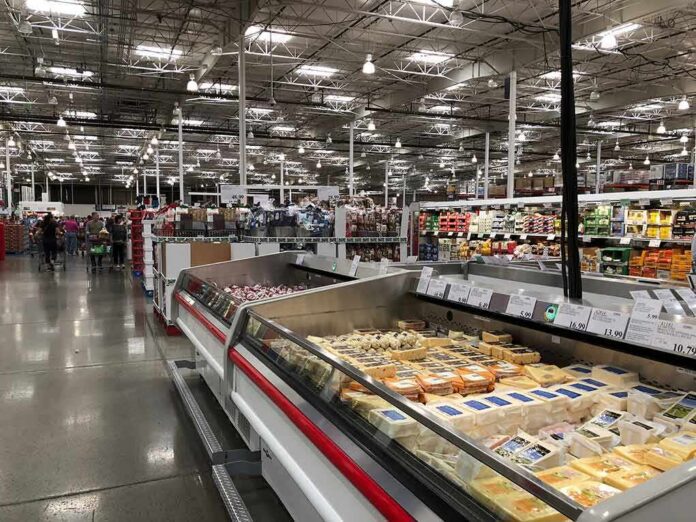
Suspected hackers remotely changed supermarket freezer settings across Belgium, Luxembourg, and Sweden, forcing stores to scramble to protect food and customers’ wallets.
Story Snapshot
- Retailers in three countries reported overnight, unauthorized temperature changes in store refrigeration systems.
- France recently saw a similar, larger incident that hit hundreds of supermarkets and triggered a cybercrime probe.
- Legacy controllers with weak security were implicated in France, showing how old gear can be a soft target.
- Companies have not confirmed one common culprit, and several call the new cases an “IT incident” under investigation.
Three Countries, One Pattern: Remote Temperature Changes
Retailers in Belgium, Luxembourg, and Sweden reported sudden changes to fridge and freezer temperatures overnight. Ahold Delhaize, which operates Delhaize, said someone tampered with cooling settings in Belgium and Luxembourg. In Sweden, ICA said a limited number of stores had an overnight incident. Coop said six stores faced refrigeration problems. These reports point to remote changes, not random hardware breaks, and have prompted active investigations and emergency fixes.
Delhaize described the issue as an information technology incident and has not confirmed a hack. Reports in Belgium say the cause was not yet known. ICA and Coop also stopped short of declaring a cyberattack. These careful statements reflect an active investigation. They also match what we see when companies check logs, secure access, and verify whether commands were pushed from outside or by insider error or system faults.
French Case Shows What Failure Looks Like at Scale
France offers a recent example of how fast this can escalate. The Paris Prosecutor’s Office opened a cybercrime case after hundreds of supermarkets were hit on October 11–12. Major chains reported spoiled food and equipment disruptions. The French government and multiple outlets described remote manipulation of refrigeration systems. That scope suggests intent and coordination, and it set off a wider review of store technology across Europe.
Technical reporting tied the French disruptions to older, internet-exposed controllers that lacked modern security updates. Named equipment families included Danfoss and Copeland systems, with some devices running outdated software. That matters because stores run these systems for many years, even decades. When vendors stop patching, risk grows. Attackers look for these gaps because a small change to a set point can ruin a store’s inventory in hours.
What We Know—and What We Do Not
Investigators have not confirmed that the Belgium, Luxembourg, and Sweden incidents came from the same actor or toolset as the French attack. Delhaize is probing whether there is a link. Some reports say no technical or operational tie has been established so far. That is honest and proper. It warns against lumping every outage together while still treating remote tampering as a serious risk that deserves firm action and public answers.
Key facts are solid. Multiple retailers saw unauthorized temperature changes. Operators responded as if remote access posed a clear threat, including disconnecting systems in past cases. At the same time, officials have not released forensic indicators like access logs, command histories, or malware samples for the new events. Until those arrive, the prudent stance is to fix obvious weaknesses, lock down remote access, and demand vendor support and transparency.
Why This Matters for Families and Food Prices
Cyber hits on refrigeration do not just warm milk. They waste food, hurt store workers, and drive costs that land in our carts. Tens of thousands of dollars in spoilage at one store can ripple into higher prices. Families already struggle with budgets after years of inflation. A preventable tech failure that spoils meat and medicine is the last thing shoppers need. Secure systems protect both food safety and the bottom line for every household.
SUPERMARKET FREEZERS SUSPECTED VICTIMS OF CYBERATTACKS IN 7 EUROPEAN COUNTRIES
Dozens of supermarkets in seven European countries were hit overnight by a suspected cyberattack that remotely switched fridges and freezers to defrost, sending temperatures as high as 50 degrees…— AmericaToday.com (@ATNewsChannel) November 2, 2026
Common-sense steps can cut risk fast. Store owners should remove public internet exposure, require multi-factor logins, and segment networks so a breach in the office does not unlock the freezer. Vendors must support long-lived gear with security updates or offer clear, affordable upgrade paths. Regulators and insurers should reward stores that meet strong standards. These are not partisan ideas. They are basic stewardship of the food chain and the dollars families work hard to earn.
What To Watch Next
Readers should watch for three things. First, confirm whether commands changed set points, which would show hands on the controls. Second, learn which hardware and firmware were used at affected stores. Third, look for a cross-border link, such as shared internet addresses, stolen accounts, or vendor portals. If investigators publish those details, we will know whether this is a one-off nuisance or a campaign that targets weak points in Europe’s food supply.
Bottom Line
European supermarkets saw real-world harm when remote changes hit their coolers. France proved this threat can scale and spoil food on a massive level. The new cases in Belgium, Luxembourg, and Sweden show the pattern may be spreading, even as links remain unconfirmed. The fix is clear: close the digital back door, retire insecure gear, and treat store technology like the critical infrastructure it is. Families deserve cold food and straight answers.
Sources:
insiderpaper.com, apnews.com, dutchnews.nl, cphpost.dk, people.com, independent.ie, occrp.org, bloomberg.com