
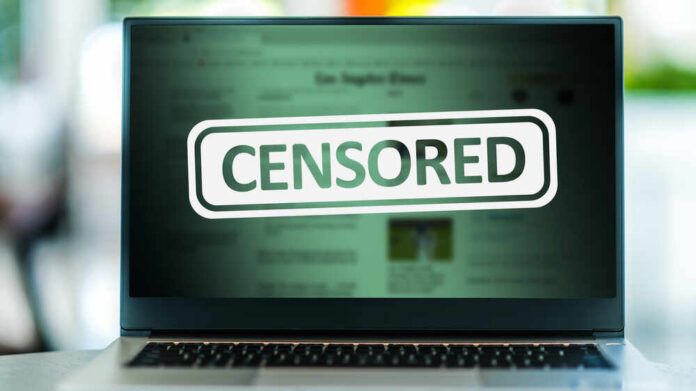
UK councils are spending millions on street safety programs for women while the government simultaneously pushes sweeping online censorship powers that threaten free speech, all under the banner of protecting vulnerable groups.
Story Snapshot
- West Yorkshire allocated £1 million for street safety initiatives targeting women’s fears, despite broader concerns about government overreach
- New Online Safety Act grants authorities power to force 48-hour content takedowns and levy fines up to 10% of global revenue against tech companies
- Government mandates risk assessments and content restrictions on platforms, raising questions about censorship and constitutional freedoms
- Programs emphasize “male violence” and “misogyny” while implementing sweeping regulatory frameworks affecting all citizens
Council Spending and Regional Initiatives
West Yorkshire Mayor Tracy Brabin launched the “Our Time is Now” Safety of Women and Girls Strategy in November 2022, committing £1 million in taxpayer funds to address street harassment and violence concerns. The initiative emerged from consultations showing 97% of surveyed women reported feeling unsafe due to gender-related fears. Councils partnered with West Yorkshire Police to implement measures including enhanced street lighting, increased patrols, and community reporting systems. Deputy Mayor Alison Lowe championed survivor-focused approaches, positioning the strategy as victim-centered collaboration against what officials termed the “scourge” of male violence.
The program targets street harassment, poor lighting, and violence through four work areas co-designed with women, community organizations, and businesses. While improving public safety remains a legitimate government function, the framing around gender-specific victimhood and collective male responsibility raises concerns about identity politics influencing law enforcement priorities. Councils expanded these regional models across the UK, with similar mayor-led strategies emerging in other metropolitan areas. The focus on empowerment through government intervention reflects a broader trend toward state-managed solutions rather than community-driven or individual responsibility approaches.
Online Safety Act Powers and Government Overreach
Secretary Liz Kendall sent a letter to online service providers on March 23, 2026, demanding compliance with Online Safety Act provisions to “halve violence against women and girls” within a decade. The legislation grants Ofcom authority to enforce 48-hour takedown mandates for non-consensual images and impose fines reaching 10% of global revenue for non-compliance. Platforms must conduct risk assessments prioritizing women and girls, implement default privacy settings, and demonetize content deemed misogynistic. Crime and Policing Bill amendments mandate swift image removal with hash-based prevention technology, with final Ofcom enforcement beginning summer 2026.
These sweeping regulatory powers represent significant government expansion into private platforms under the guise of safety. The vague definitions of “misogynistic content” and “priority offences” create dangerous precedents for censorship, allowing bureaucrats to determine acceptable speech without clear constitutional protections. David Wright of SWGfL welcomed the 48-hour takedowns but cautioned that implementation matters more than announcements, acknowledging concerns about government overreach. The government treats online image abuse with severity comparable to child exploitation, yet the broad mandate threatens legitimate discourse about gender, culture, and social issues conservatives value.
Economic Costs and Constitutional Concerns
Platform compliance costs will inevitably transfer to consumers through higher fees or reduced services, while councils spend millions on programs built around identity-focused frameworks rather than universal safety improvements. The government claims long-term benefits include cultural shifts emphasizing “the role of men and boys” and increased women’s economic participation through mobility. However, these social engineering objectives prioritize ideological goals over practical crime reduction, with tech firms facing existential fines for subjective content violations. The economic burden falls on taxpayers funding council initiatives and users bearing platform compliance costs.
The broader constitutional implications trouble advocates of limited government and free expression. Central government mandates override local decision-making through DSIT and Ofcom directives carrying punitive financial penalties, concentrating power in unelected regulators. The framework establishes precedents for content control extending beyond violence prevention into political and cultural speech. While protecting citizens from genuine threats remains a core government function, these measures sacrifice fundamental liberties for bureaucratic safety theater. The initiatives set global precedents through the “All In” initiative launched in December 2025, potentially influencing international censorship standards affecting American companies and conservative voices worldwide.
Sources:
Our Time is Now plan launched to improve safety of women and girls across West Yorkshire
Government taking urgent action to tackle violence against women and girls
UK launches All In initiative to combat violence against women