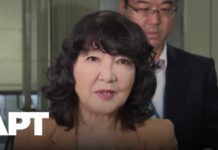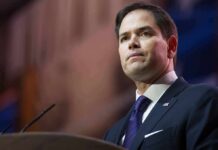

Columbia Journalism School has turned two recently ousted 60 Minutes figures into teachers, and the move is already fueling a fresh fight over media values.
Quick Take
- Columbia Journalism School appointed Sharyn Alfonsi and Scott Pelley as Journalists in Residence for 2026–27.
- The school said the pair will work with students through lectures, workshops, special events, and Columbia Journalism Review projects.
- Columbia tied the appointments to its CJS2030: Democracy Initiative.
- Critics are focusing on the optics of two former 60 Minutes correspondents landing at an elite school after CBS turmoil.
Columbia Backs the Hire as a Teaching Move
Columbia Journalism School said it appointed Sharyn Alfonsi and Scott Pelley as Journalists in Residence for the 2026–27 academic year. The school described both as award-winning investigative reporters and said they will help students through lectures, workshops, special events, and work tied to Columbia Journalism Review. Columbia also said the appointments fit its CJS2030: Democracy Initiative.
That matters because Columbia is not presenting the jobs as honorary titles. It is presenting them as part of the school’s training mission. For readers who still value hard reporting over activist branding, the school’s own language points to a classic journalism-school playbook: bring in people with high-profile newsroom experience and let students learn from their methods. Whether that works in practice will depend on what the residencies produce in the classroom.
The CBS Backstory Gives the Decision Political Weight
The appointments landed after a rough stretch at CBS News, where both correspondents were part of major upheaval around 60 Minutes. Secondary coverage says the pair were among the correspondents pushed out or fired during leadership clashes at the network. Scott Pelley’s exit drew especially heavy attention after reports said he was fired following open criticism of CBS leadership. Sharyn Alfonsi also left after a dispute tied to editorial decisions.
That backdrop gives the Columbia move more punch than a routine faculty announcement. For many conservative readers, the story raises a familiar concern: elite institutions often reward the same media figures who helped shape the cultural and political debates of the last decade, even after those figures leave troubled newsrooms. Columbia has not said the appointments are political. Its public announcement instead centers on experience, teaching, and the Democracy Initiative.
What Is Known, and What Is Still Missing
The public record now shows the appointments and the school’s stated reason for them. It also shows that the broader CBS fight was messy and widely reported, with accounts describing dismissals, resignations, and disputes over editorial independence. What the record does not show is any Columbia internal memo, ethics review, or selection file explaining why these two were chosen over others.
Former ’60 Minutes’ correspondents Pelley, Alfonsi go from newsroom to classroom
Columbia Journalism School announced Monday that the two would serve as Journalists in Residence for the upcoming academic year. https://t.co/MuxjR7RSjn pic.twitter.com/VuWcxeWIJY— Uzalendo News (@UzalendoNews_KE) August 4, 2026
That gap matters because it leaves room for competing views. Supporters can point to experience and classroom value. Critics can point to the timing and see another example of elite media circles protecting their own. The facts already on the table do not prove abuse or bias. They do show a prestigious journalism school making a high-profile choice that will be watched closely by students, alumni, and anyone tired of institutions that seem more interested in image than accountability.
Sources:
twitchy.com, journalism.columbia.edu, foxnews.com, fortune.com, variety.com, spencerfellows.org, pbs.org