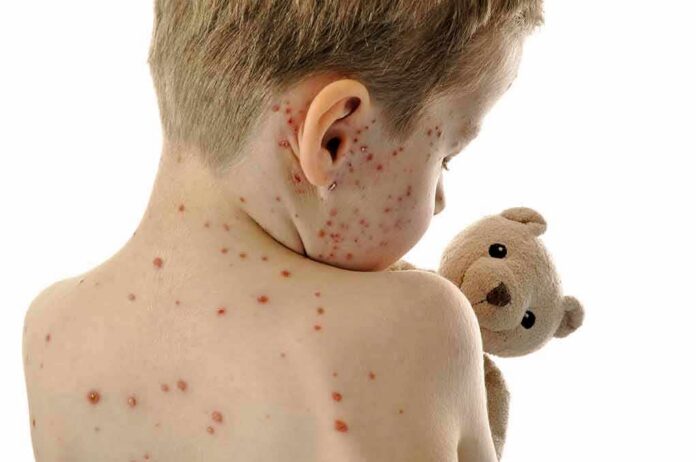
New York’s governor declared a statewide measles disaster emergency after officials confirmed 108 cases this year, triggering expanded state powers that affect everyday life.
Story Snapshot
- Governor Kathy Hochul issued a statewide disaster emergency over measles, effective Oct. 5 through Nov. 4.
- New York recorded 108 measles cases in 2026 through Oct. 3, with most since mid-July in rural counties.
- The order expands who can give vaccines and speeds testing and data reporting across the state.
- Officials say the goal is rapid response as neighboring states also battle rising cases.
What New York Declared and When It Starts
Governor Kathy Hochul signed Executive Order No. 65, declaring a State Disaster Emergency for the entire state, starting October 5, 2026, and set to run through November 4, 2026. The order cites 108 measles cases this year as of October 3. The move makes New York the first state to use this tool during the recent national surge. The declaration activates emergency powers that can shift resources, speed hiring, and cut red tape for a faster health response.
State officials said cases have risen fast since mid-July, especially in under-immunized rural counties. They argue the emergency helps health workers reach families quicker, bring mobile clinics where needed, and clear backlogs in lab testing and case tracking. The governor’s office said the order is about moving faster, not about lockdowns or broad restrictions. The state framed this as a time-limited step tied to a specific spike and concrete operational needs.
What the Order Actually Does for Health Response
The executive order expands the roster of people who can give measles shots, which can include pharmacists and other qualified providers. It also speeds testing, data reporting, and coordination between local health departments and state agencies. These steps let officials find cases faster, alert contacts sooner, and lift vaccine access in hard-to-reach areas. The legal shift aims to make simple actions quicker so outbreaks do not spread across counties and schools.
Officials said the plan focuses on better access rather than mandates. Clinics can extend hours, bring pop-up sites to churches or town centers, and stand up weekend drives. Faster data flow helps target where the virus is moving. By clearing authorizations statewide, the order reduces delays that often slow a response. The goal is to protect kids, seniors, and those with weak immune systems while keeping daily life normal for most families.
Why Rural Counties Are Driving the Spike
Reports point to clusters in rural areas where immunization rates have slipped. Measles spreads very easily and can jump when communities fall below herd protection levels. New York’s data show a sharp climb since mid-July, with the bulk of cases outside New York City. Officials warned that nearby states, including Pennsylvania, face rising totals, which raises the risk of cross-border spread. This pattern matches prior outbreaks tied to local coverage gaps rather than a statewide collapse.
For parents and grandparents, the concern is simple: keep kids in school and protect the family. Health leaders say the vaccine is the best tool to prevent severe illness and hospital stays. The state is using a standard emergency lever to remove paperwork and move people and supplies faster. For many readers, this matters because delays cost money and time, and because schools, churches, and small businesses pay the price when outbreaks grow.
How This Affects Daily Life and Personal Liberty
The order does not impose stay-at-home rules or broad closures. It focuses on faster care and access. Families can expect more mobile clinics and simpler ways to get shots if they choose. Local health alerts may increase while officials trace cases. Conservatives often watch for mission creep during emergencies. Here, the text centers on staffing, supply, and reporting powers that sunset in a month unless renewed. Voters should read the order and hold leaders to that limit.
President Trump’s administration continues to stress local control and clear time limits on emergency actions. New York’s step is a state decision, but the federal government can support logistics, labs, and communication if asked. The measure aims to keep hospitals clear, protect at-risk neighbors, and avoid wider economic hits. Families should check local guidance, make decisions with trusted doctors, and keep kids home if they are sick, which slows spread without heavy-handed rules.
What to Watch Next
Watch whether cases level off by early November and whether state leaders let the order expire on time. Track how many rural clinics extend hours and how quickly testing turnaround improves. Look for clear, public data on where cases occur and how many close contacts get reached within forty-eight hours. These are the signs of a tight, limited response. If officials meet those marks, families get protection without long-term government overreach.
Sources:
youtube.com, governor.ny.gov, inquirer.com, reuters.com