
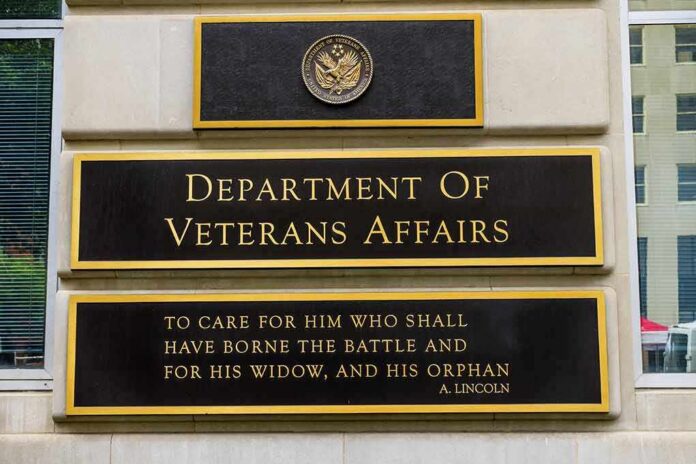
A new watchdog report found errors in about one-third of cases where the Department of Veterans Affairs moved to cut disability pay, exposing serious due-process lapses and bad effective dates that can cost veterans money and peace of mind.
Story Highlights
- The VA inspector general estimated errors in about 34% of adverse-action cases in 2024.
- Failures included weak notice to veterans, bad effective dates, and codesheet mistakes.
- Improper payments tied to these errors were estimated at $16.9 million for 2024 cases.
- About $964,000 in monthly improper payments may continue until fixed.
Watchdog Finds Widespread Processing Errors in Disability Reductions
The Department of Veterans Affairs Office of Inspector General reported that claims processors made at least one error in about 34% of adverse-action cases reviewed from calendar year 2024. The estimate equals roughly 9,300 of 27,100 cases. The review focused on how the Veterans Benefits Administration handled proposed and final actions that could reduce or end a veteran’s compensation. The findings point to missed legal steps and technical mistakes that can confuse veterans and change benefit outcomes.
The inspector general highlighted four main problem areas. Staff sometimes sent due-process notices that lacked required details. Teams failed to update the decision codesheet that controls the official record. Processors set wrong effective dates for changes. In some files, offices did not carry out the adverse action after starting it. Such gaps break clear rules that say the VA must notify veterans and follow set procedures before cutting payments.
Financial Impact and Ongoing Improper Payments
The report estimated $16.9 million in improper payments linked to proposed adverse-action cases closed during 2024. That figure reflects money paid or withheld in error because steps were missed or dates were wrong. The watchdog also estimated at least $964,000 in improper payments are still flowing each month until the VA fixes the errors found. Those dollars add up fast and can either shortchange veterans or waste taxpayer funds if not corrected.
Reviewers also flagged two systemic error types in final decisions: codesheet errors and effective-date errors. Each category appeared in about 2,900 instances across the year’s caseload, showing that the problems were not isolated to one office or region. Wrong effective dates can create or erase overpayments and debts. Codesheet errors can ripple into later claims, medical reviews, and appeals, because the codesheet is the backbone of the rating record.
Legal Safeguards and Past Oversight Echoes
Federal rules require the VA to give proper notice and a chance to respond before reducing or stopping disability compensation. When the agency skips these steps, courts have said the fix is to undo the bad action and restore the rating. These guardrails exist to protect earned benefits and basic fairness in the process. The inspector general’s new report shows the process is still not followed in too many cases.
Earlier oversight work found related problems when the VA reduced ratings and created debts by using wrong dates or poor notices. A 2021 review documented improper debts after reductions. The pattern suggests a larger process issue inside the Veterans Benefits Administration, where speed goals and payment integrity targets push staff to move fast, raising the risk of mistakes in complex files. Training, quality checks, and system rules must align with the law and be easy to apply under pressure.
What This Means for Veterans and Next Steps
Veterans facing a proposed reduction should read every line of the notice, check the effective date, and respond on time with medical evidence. A flawed notice or wrong date can be grounds to stop a cut or restore a rating. The report did not list every case or separate all clerical errors from those that changed outcomes, but the scale of mistakes shows veterans should verify decisions closely and consider seeking help with appeals or reviews.
VA WATCHDOG: Found Errors in One-Third of Veterans' Disability Reduction Cases pic.twitter.com/uF5GWDm42D
— SEGAMI (@segamihcfund) September 8, 2026
For policymakers, the fix is targeted and urgent. The VA should issue clear guidance on due-process notices, lock down codesheet edits with better controls, and require a second set of eyes on effective dates before final actions. Leadership should publish a remediation plan, retrain staff, and track results by regional office. Congress can support oversight to make sure the promised changes stick and that veterans are not left to clean up agency errors again.
Sources:
military.com, legion.org, vaoig.gov