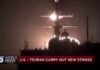
U.S. Central Command released video of an Iranian oil tanker sinking after targeted strikes that answered Tehran’s attacks on commercial ships.
Story Highlights
- CENTCOM said the strikes answered recent Iranian attacks on commercial shipping.
- U.S. forces hit Iranian military and maritime-enabling targets with precision munitions.
- Iran threatened “crushing” retaliation and warned against U.S. role in Hormuz.
- Tensions raise risks at the Strait of Hormuz, a vital global energy chokepoint.
CENTCOM Says Strikes Targeted Iran’s Ability To Hit Ships
U.S. Central Command said American forces launched precise strikes inside Iran after Tehran attacked international commercial shipping near the Strait of Hormuz. The command stated the action directly responded to Iranian aggression and aimed to stop further threats to vessels transiting the corridor. Command releases described targets as military sites tied to maritime attacks, including coastal surveillance and launch facilities used to menace tankers and cargo ships with missiles and drones. CENTCOM presented the operation as measured, professional, and focused on restoring safe passage.
CENTCOM also said the latest wave involved fighter jets, drones, and warships employing precision weapons against dozens of linked targets. The command framed the strikes as part of an ongoing effort to degrade Iran’s capacity to strike ships and to defend freedom of navigation. U.S. officials connected the timing to repeated maritime attacks and the need to hold Iranian forces accountable for firing on or harassing commercial vessels in and around the strait in recent days.
Iran Vows Painful Response, Disputes U.S. Justification
Iran’s top military body labeled the U.S. action a “blatant act of aggression” and promised a “crushing response.” Iranian officials warned they would not allow any American role in managing the Strait of Hormuz. State channels and ministries claimed their own actions were defensive and lawful under international rules. These statements challenged the U.S. framing and signaled more escalation, including threats to regional infrastructure if strikes continued to intensify, according to multiple wire reports.
Tehran’s information channels also claimed attacks on oil tankers and vessels linked to the United States, casting them as retaliation for earlier U.S. strikes. Some Iranian statements argued that targeted ships ignored warnings or sailed dark in sensitive lanes, a narrative meant to justify interdictions. These claims arrived through state-aligned media and have not changed the U.S. focus on stopping hits against commercial shipping and keeping the key waterway open for global trade.
Why Hormuz Matters For Energy Prices And U.S. Security
The Strait of Hormuz funnels a large share of the world’s oil and gas shipments. Any attack there can spike shipping insurance, delay cargoes, and lift fuel costs at home. The U.S. Congress’s research service has documented how mines, missiles, and raids have threatened ships in this corridor since the 1980s “tanker war,” underscoring the risks to American consumers, retirees, and small businesses who feel the hit at the pump and in utility bills when chaos returns to the strait.
The United States Central Command (CENTCOM) has released footage showing the MT Kylo, a Comoros-flagged Iranian oil tanker, sinking in the Gulf of Oman following a US military strike.
The vessel sank after its crew evacuated, according to CENTCOM, as military tensions between… pic.twitter.com/E7HhD46SD1
— The CSR Journal (@thecsrjournal) September 6, 2026
Analysts describe Iran’s behavior in Hormuz as calibrated risk that keeps pressure high while seeking deniability. That pattern makes clear rules and steady enforcement vital. By striking military and maritime-enabling targets tied to ship attacks, the United States signals that assaults on civilian commerce will meet a cost. Protecting navigation supports U.S. workers, families, and retirees who depend on stable energy and goods prices, and it backs a core principle of free trade through international waters.
What To Watch Next
U.S. defense officials will watch for fresh missile or drone launches from Iranian territory or proxies against tankers or American ships. Shippers may adjust routes and raise security, which could add costs. If Iran follows through on threats to target infrastructure, pressure will grow for tighter interdiction and faster strikes on launch sites. The goal remains simple and constitutional: defend American forces, punish clear aggression, and keep lawful commerce moving safely through a vital sea lane.
Sources:
thegatewaypundit.com, centcom.mil