
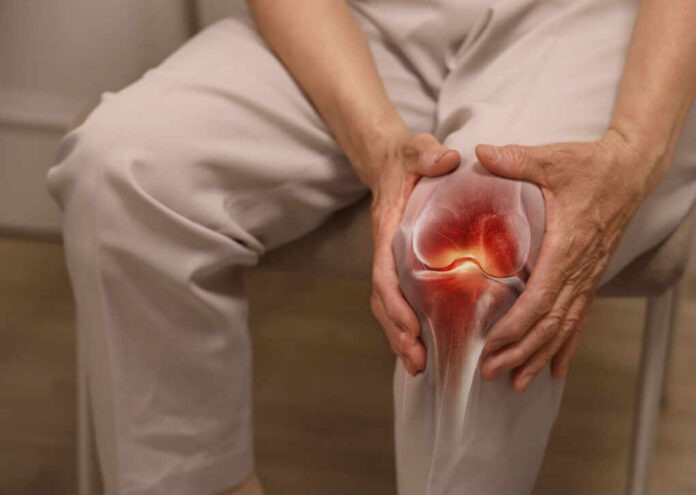
Men are letting surgeons deliberately break their legs to gain a few inches of height, and the real story is not glamour but a year-long fight with pain, pins, and the possibility of permanent damage.
Story Snapshot
- Leg-lengthening works by controlled fractures and slow bone stretching, not by “simple” implants.
- Complications range from infection and nerve damage to bones that never properly heal.[1][2][3]
- Medical-tourism deals in Turkey promise confidence and inches; some men return crippled instead.[2][3]
- The gap between glossy marketing and hard orthopedic reality is where the real risk hides.[1][4][5]
How Leg-Lengthening Actually Works Inside Your Bones
Surgeons do not “add height” the way a mechanic lifts a car; they perform a controlled break in a weight-bearing bone such as the femur, insert hardware, and then gradually pull the two halves apart so new bone forms in the gap.[3] Hospital explainers describe lengthening of about one millimeter per day, followed by months of consolidation while the regenerate bone hardens.[1][2][3] This process exposes muscles, nerves, and joints to sustained tension, making stiffness, pain, and nerve irritation common burdens, not rare surprises.[1][2][4]
Classic external fixators use rods and pins that pass from skin to bone, inviting infection at every pin site if cleaning or follow-up slips for even a few days.[2] Newer internal nails, turned by magnets or mechanical devices, reduce scarring and pin care but still rely on the same biology: a deliberate fracture and months of distraction.[3][4] Device failure, premature bone healing that locks the nail, or bone that simply refuses to consolidate can all require repeat surgery with even rougher rehabilitation.[1][2]
The Turkey Bargain: Cheap Inches, Expensive Consequences
Turkey’s medical-tourism pitch is simple: Western-level hospitals, dramatically lower prices, and surgeons who say they specialize in limb lengthening.[1][4][5] Commercial sites boast structured packages, hotel pickups, translators, and case examples of patients gaining eight centimeters or more using modern systems such as Precice.[1][4][5] Marketing material insists that when “qualified surgeons” perform the operation with proper physiotherapy and follow-up, risks stay manageable, and side effects like pain or minor infection are framed as standard, controllable issues.[1][4][6]
The unsettling part emerges when men who bought that dream land back home with legs that do not work. A published case report describes a twenty‑eight‑year‑old man who traveled to Turkey for cosmetic limb lengthening and returned with serious complications including poor bone regeneration, deformity, joint stiffness, and soft-tissue problems.[3] The paper cites Turkish data where the average gain was eighty‑seven millimeters, but complications included insufficient bone growth, quadriceps contracture, and locking screw failure, which are not “minor inconveniences” if you still need those legs decades later.[3]
When Aftercare Fails, The Fracture Never Really Ends
A hospital on Israel’s coast described treating a man who went to Turkey for cosmetic height surgery and arrived back with chronic infection at each pin site, significant soft-tissue damage, and bones that had not fused.[2] Their clinicians reported that he could not straighten his legs and warned that part of the harm stemmed from both improper technique and a complete absence of structured postoperative follow-up or rehabilitation from the original team.[2] Infection that might have been manageable early became an entrenched enemy because no one owned the aftercare.
Medical centers that see these “surgical refugees” highlight a pattern: complex procedures done abroad, rapid discharge to hotels, and then plane rides home long before bones have matured or soft tissue has settled.[2][3] Local surgeons must then decipher foreign hardware, missing records, and partial imaging while chronic infection or non‑union progresses. From a conservative, common-sense standpoint, outsourcing both surgery and accountability to the lowest bidder looks less like savvy shopping and more like gambling with irreplaceable anatomy for a cosmetic upgrade.[1][2][3]
Real Risks: Beyond Bruises and Bravado
Major orthopedic centers warn that limb lengthening carries serious risks even when medically indicated and carefully supervised: infection in skin or bone, nerve and blood vessel injury, bone that never properly hardens, and joints that become permanently stiff.[1][2] One long-term study of limb lengthening methods reported a major complication rate that initially reached seventy‑two percent before dropping as surgeons gained experience.[5] The same research found high early rates of bone healing problems across techniques, underscoring how unforgiving the biology is, regardless of brand of implant.[5]
Commentary from surgeons who do not sell height packages calls cosmetic leg lengthening “too traumatic” to be compared with most cosmetic procedures, pointing to the need to break both tibia and fibula, with real risks of non‑union, mal‑union, re‑fracture, deep infection, fat embolism, and blood clots that can be fatal.[3] Those are the kinds of complications that move a procedure out of the “minor nip‑and‑tuck” category and into territory where the trade-off should be judged with extreme caution and a sober respect for the body’s limits.[1][2][3]
Marketing, Masculinity, and the Missing Data
Men who sign up for these operations rarely do so because they misunderstand pain; they do it because they believe extra inches will fix dating, work, or self-worth. Clinic videos and testimonials feed that hope with polished stories of men who gained eight or even thirteen centimeters and declare their lives transformed.[4][5][6] What is missing is any independent registry showing how many quietly ended up with chronic pain, altered gait, lifelong physiotherapy, or regret when the psychological payoff did not match the physical price.[1][3][4]
The evidence on the table today is lopsided: detailed case reports and hospital narratives of severe harm on one side, glossy success stories and generic safety assurances on the other.[1][2][3][4][5][6] Until Turkish clinics publish audited complication rates, long-term function, and reoperation data, consumers must assume that the horror stories are not outliers but warnings. For a man north of forty, with responsibilities and only one set of legs, common sense says you do not trade working limbs for a taller mirror image on the promise of a bargain package and a few extra inches in dress shoes.
Sources:
[1] Web – Limb Lengthening Surgery Turkey 2026 Costs, Packages and Results
[2] Web – When Cosmetic Surgery Abroad Goes Wrong
[3] Web – Cosmetic limb lengthening in medical tourism a case report – PMC
[4] Web – Limb Lengthening Surgery | Prof. Dr. Yuksel Yurttas – Istanbul, Turkey
[5] Web – Limb Lengthening Surgery in Turkey I Clinics & 2026 Prices – …
[6] Web – Is Turkey safe for limb lengthening surgery?