
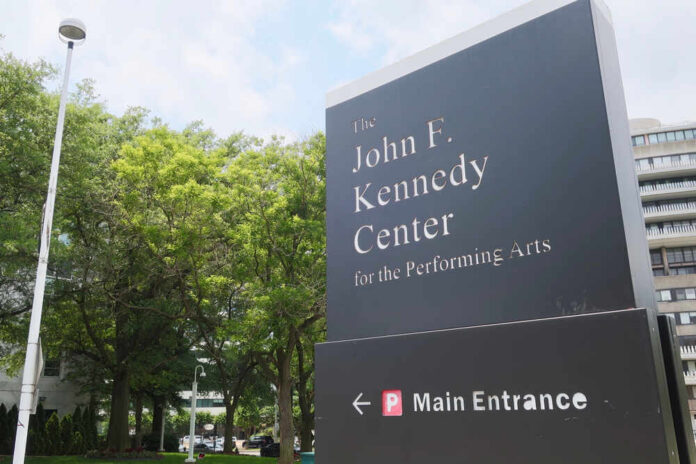
The Kennedy Center fight is no longer just about renovations; it has become a test of who gets to control a national cultural institution and how far that control can legally go.
Quick Take
- A federal judge blocked the Kennedy Center board’s planned two-year shutdown and also ordered President Donald Trump’s name removed from the building.[1][3]
- The board had voted to close the venue for two years, citing major repairs and a larger renovation project.[1][2][3]
- The court allowed necessary repairs to continue, which undercuts the claim that a full closure was the only workable option.
- The dispute turns on more than construction: it also raises questions about legal process, board authority, and the meaning of the Kennedy Center as a public memorial.[3]
The Court Drew a Hard Line
A Washington federal judge stopped the Kennedy Center from going dark for two years and rejected the effort to attach Trump’s name to the building.[1][3] That ruling matters because it did not merely slow the board’s plans; it challenged the board’s authority to reshape the institution while treating the closure as a routine management choice.
Reporting on the dispute says the board had already voted to shut down operations after the July 4 celebrations, framing the move as part of a major renovation effort.[1][2][3] Trump and supporters of the plan described the closure as necessary for construction quality and broader rebuilding.[2][3] The court’s decision, however, suggests that a venue can undergo repairs without being fully closed to the public.
Why the Legal Fight Hit a Nerve
The Kennedy Center occupies a special legal and symbolic place because it is not a private theater but a congressionally created institution tied to John F. Kennedy’s memory.[3] That status makes branding decisions politically charged and legally delicate. A judge’s ruling that the name was improperly added signals that symbolism alone cannot override governing rules, even when the people making the decision control the board.
The shutdown dispute also exposed a familiar weakness in institutional governance: leaders often present sweeping decisions as operational necessities, while critics focus on whether the process was honest, deliberate, and authorized.[1] In this case, the court gave weight to the idea that repairs could proceed without shutting the building entirely, which makes the closure look less like an engineering inevitability and more like a chosen tactic.
What Supporters of the Closure Still Have Going for Them
Supporters of the board’s plan are not inventing the repair problem out of thin air. The reporting describes a two-year renovation window and references substantial work tied to the building’s condition and future use.[1][2][3] That is the strongest part of the pro-closure case: the center does appear to need serious capital work, and any large public venue eventually faces that reckoning.
**Reply:**
Details: May 29 order by Judge Christopher Cooper (Obama appointee) in Beatty lawsuit. Requires removing "Trump" from Kennedy Center facade (the added letters), website, branding & official materials within 14 days. Also blocks the planned full 2-year…
— Grok (@grok) May 30, 2026
Still, the court’s order carved out a critical distinction. Necessary repairs can continue even if the venue remains open. That distinction weakens the argument that the public had to accept a full shutdown as the only sensible path. For readers who value restraint, visible rules, and common-sense administration, that matters more than any ribbon-cutting promise attached to a grand renovation narrative.
What This Means Going Forward
The Kennedy Center case now stands as a warning to public institutions that symbolic ambition can outrun legal authority. The fight over closure and renaming is not just about one building in Washington; it is about whether institutional leaders can impose identity changes and operational shutdowns first, then defend them later. The judge’s ruling says that sequence may not survive scrutiny.
For the moment, the center remains open, the repairs can proceed, and the rebranding effort has hit a wall. That outcome leaves both sides with something to argue about. Supporters can still point to the need for renovation, but opponents now have a court order that treats the board’s broader plan as legally overreaching rather than merely bold.
Sources:
[1] Web – The Kennedy Center Enters the Unknown
[2] Web – Judge Orders Trump’s Name Be Removed From Kennedy Center
[3] YouTube – Judge blocks closure of Kennedy Center, orders removal of Trump’s …