A new Pentagon-backed study just confirmed what many warriors feared for years: America’s most elite fighters are getting cancer more often, and the system still cannot explain why.
Story Snapshot
- SOCOM’s own study shows Special Operations Forces face an 18% higher overall cancer rate than other troops, led by big jumps in melanoma and testicular cancer.
- Despite more cancer diagnoses, special operators have about a 40% lower cancer death rate, likely due to fitness and aggressive screening.[1]
- The absolute risk rise is small on paper, but it flags serious questions about toxic exposures, training environments, and past Pentagon silence.[4]
- A 2016 study claimed no extra cancer risk in Special Operations Forces, creating a troubling clash with today’s findings and raising trust issues.[9]
What SOCOM’s Cancer Study Really Found About Our Elite Warriors
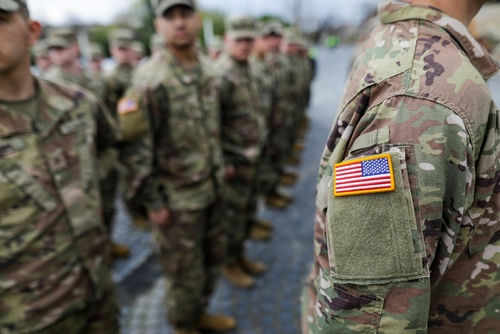
U.S. Special Operations Command quietly released the results of its long-awaited cancer study, and the numbers should get every patriot’s attention. The study, using data on more than 231,000 Special Operations Forces personnel, found these troops face an overall cancer incidence rate about 18 percent higher than a matched group of non-SOF service members.[4] That gap is driven mainly by higher rates of melanoma, a dangerous skin cancer, and testicular cancer in this community.[1] For once, the Pentagon is admitting a pattern many operators have talked about for years.
SOCOM’s own public summary explains that melanoma risk is about 33 percent higher and testicular cancer about 21 percent higher in the Special Operations Forces population than in other troops.[4] Outside reporting that dug into the raw data notes that the SOF cohort had 2,105 cancer cases, or 76.51 cases per 100,000, versus 65.31 per 100,000 in the non-SOF group.[1] On a spreadsheet, that works out to 11 extra cancer cases per 100,000 people per year, which SOCOM stresses is still “less than 1 out of 100.”[4] But for families who bury even one operator too early, that talking point rings hollow.
How Can More Cancer Come With Fewer Deaths?
The same study also shows a surprising bright spot: Special Operations Forces members who do get cancer are less likely to die from it than other troops. Analysts found about a 40 percent lower cancer mortality rate in the SOF population compared with non-SOF personnel.[1] One breakdown reported only 103 cancer deaths out of 2,173 total deaths in the SOF group, for a cancer mortality rate of 3.96 per 100,000, versus 6.6 per 100,000 in non-SOF.[1] SOCOM suggests this survival edge comes from the community’s intense fitness, younger age, and faster diagnosis and treatment through military health care.[4]
That survival advantage matters, but it should not distract from the core warning. SOCOM itself admits the study cannot prove exactly what is causing the extra cancers.[4] Yet military and veteran cancer research has long linked higher melanoma and other cancer rates to environmental and occupational exposures that are common in combat arms and elite units.[13] Reports on Special Operations Forces point to years of sun exposure downrange, blast overpressure, suppressors blowing gases back into faces, heavy weapons range time, and contact with chemicals in paints, fuels, and even food packaging.[1] Put simply, the nation’s toughest missions often come with the dirtiest air, water, and soil.
Why This Study Raises Old Questions About Trust and Accountability
This is not the first time someone asked if special operators are getting sick more often. A 2016 official study into cancer in Special Operations Forces concluded there was “no increased risk,” a result that clashed with what many families and nonprofit groups were seeing.[9] A later overview from a Special Operations-focused nonprofit noted that anecdotal experience showed more cancer, and it flagged that 2016 finding as out of step with reality while SOCOM prepared new research.[9] Now, with SOCOM itself confirming an 18 percent higher incidence, the earlier “nothing to see here” message looks badly outdated, and it feeds long-standing anger over how slowly the government admits service-related health damage.
Another concern is how the Pentagon is gathering and controlling the data. A memo from U.S. Special Operations Command leadership called on current and retired Special Operations Forces members to report any cancer diagnoses and to keep their medical records current for this research.[6][8] That push is important for tracking cases, but it also means part of the dataset depends on self-reporting, which can introduce bias and gaps. At the same time, SOCOM commissioned, oversaw, and released the study itself.[4][8] Without an independent outside audit of the raw numbers and methods, some veterans will wonder if the full story is being told, especially when billions in long-term health and disability costs could be on the line for the Department of Veterans Affairs and the Department of Defense.[15]
Sources:
[1] Web – SOCOM Study of Special Operators Finds 18% Higher Cancer Risk
[4] X – Special Operations Face 18% Higher Cancer Risk: SOCOM Study
[6] Web – Video – SOF Cancer Study – DVIDS
[8] Web – USSOCOM Memo on Cancer Study – Air Commando Association
[9] Web – SOF Cancer Study – SOCOM.mil
[13] Web – Cancer in SOF: What to know to get ahead of anxiety and risk