CNN’s own numbers guru says recent polls may be tilting left again, repeating a years-long pattern that understated Republican strength.
Story Snapshot
- A top polling review found 2024 pre-election polls again understated Republican vote share.
- Peer-reviewed research shows the bias was directional, not random noise.
- Pew Research cites lower Republican response rates as a key driver of misses.
- Analysts say polls were better in 2024 than 2020 or 2016, but still leaned Democratic.
What Enton’s Warning Means for Today’s Polls
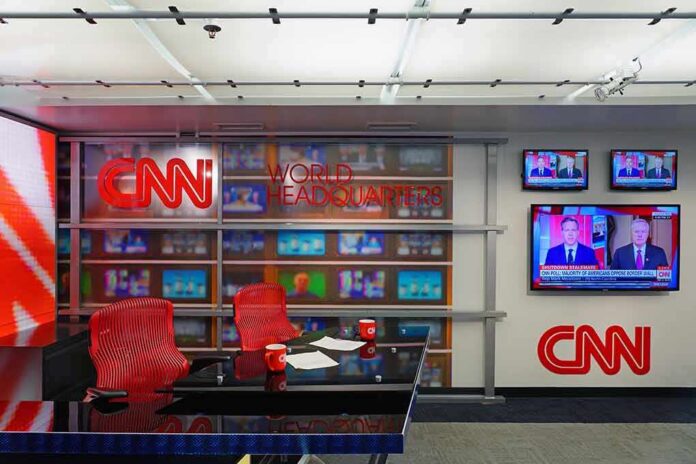
CNN analyst Harry Enton warned that polls have repeatedly lowballed Republicans in recent cycles. That warning lines up with formal reviews and academic work. The American Association for Public Opinion Research said 2024 was the third straight presidential cycle where polls understated Republican votes relative to Democrats. That means a headline that looks good for Democrats could be two or three points off in the other direction. Voters who remember 2016 and 2020 will recognize this pattern.
Peer-reviewed research backs up the trend. A published analysis of national and battleground surveys found the miss leaned one way. Polls tended to underestimate Republican vote shares, not just bounce around by chance. This matters for close races. A two-point bias can flip who is “ahead” on a cable news chyron. When the edge is small, that systematic tilt can mislead viewers, donors, and turnout plans.
Why Polls Keep Missing Right-Leaning Voters
Method experts point to who answers polls. Pew Research reported growing evidence that Republicans are slightly less likely to take part in surveys, especially in presidential years. That makes it hard to match the real electorate. If polling samples undercount right-leaning voters, weighting after the fact may not fully fix the gap. The result is a small but steady lean toward Democrats in many toplines, even when pollsters try to adjust.
Independent analysts note that the overall accuracy did improve in 2024. The same American Association for Public Opinion Research report found public polls were more accurate than in 2016 or 2020. But the average miss still pointed the same way, again understating Republicans. Data analyst Nate Silver also wrote that most pollsters in 2024 overestimated Democrats to some degree, even with better methods and tighter margins. Better does not mean unbiased when the same tilt keeps showing up.
How This Affects 2026 Senate and Governor Races
Current midterm polls that show Democrats slightly ahead may not be safe leads. If the now-familiar bias repeats, a two to three point Democratic edge could be a real tie or a small Republican lead. That shift could decide control in tight Senate and governor races. Campaigns that trust the raw numbers may misallocate time and money. Voters who value border security, energy independence, and parental rights should plan as if races are closer than they look.
Conservatives should also see the incentive at work. If left-leaning media push polls that tilt blue, that can dampen right-leaning turnout or fundraising. Enton’s on-air caution undercuts that effect because it admits the bias exists. Grassroots readers should take two steps. First, prepare to vote and volunteer as if every race is within one point. Second, read past the headline to see methods, dates, and samples. A late poll with more likely voters is usually more telling than a broad adult sample.
What to Watch in New Poll Releases
Readers should look for clear methods and weighting. Ask whether the poll includes non-college voters, rural voters, and irregular voters who surged for Republicans in recent cycles. Check if the pollster has a public track record that matched final results in 2024. Remember that the best professional review still found a Republican understatement across cycles. Treat small Democratic leads as fragile. Treat Republican momentum as real when it shows up across different firms and states.
Finally, keep perspective. Polls are snapshots, not votes. President Trump’s agenda on the economy, border security, and cheaper energy will ride on turnout and enthusiasm, not on polling graphics. If past bias persists, Election Day will again be better for Republicans than many surveys suggest. Do not let soft samples and rosy headlines mute your voice. Show up, bring a friend, and make the numbers that matter: real votes.
Sources:
thegatewaypundit.com, onlinelibrary.wiley.com, arxiv.org