
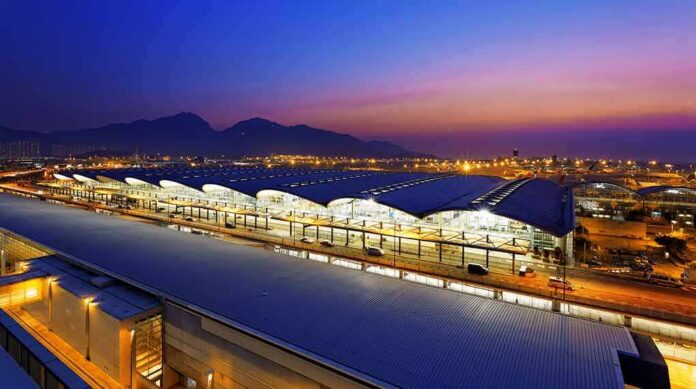
Iran warned it will strike Gulf airports, pipelines, and other civilian sites if the United States hits back, raising real risks to energy and communications lifelines.
Story Highlights
- Iran issued public and private warnings that civilian and economic targets are on the table if fighting resumes.
- Targets include airports, pipelines, and key infrastructure in nearby Gulf countries, not just U.S. bases.
- Separate reporting points to plans against undersea internet cables, with possible efforts to slow repairs.
- U.S. posture stresses deterrence and force protection while avoiding strikes on civilian power infrastructure.
What Tehran Said And Why It Matters
The Wall Street Journal reported that Iran delivered threats both in public and through private diplomatic channels. The message said retaliation would expand beyond American forces to airports, pipelines, and other civilian and economic targets in Gulf states if the United States and Israel resumed strikes. Iran International echoed that account, underscoring that civilian infrastructure is explicitly named. This is not vague rhetoric. It is a concrete target set that would hit the region’s economy and travelers hard.
Reuters-linked summaries from Iran International added another layer. Two senior Iranian security officials were cited describing plans to go after undersea communications cables and even delay repairs after damage. That would threaten internet service and financial flows, which rely on sea cables more than most people realize. While the sources are unnamed, the claim tracks with how hostile actors pressure rivals by hitting communication choke points in gray-zone conflict.
How These Threats Could Hit Americans At Home
Gulf airports and pipelines move people and energy that power the world. Even short disruptions can spike oil prices and airline costs. That strains family budgets and small businesses already squeezed by years of inflation. A hit to undersea cables can slow payment systems, logistics, and news flows. Markets move on fear. Insurance premiums can jump. Shipping can divert. All of this can raise prices here, even if a single U.S. facility is never touched. That is why these threats matter.
U.S.-linked reporting describes Washington’s response as deterrence and risk reduction. Officials have shifted troops and reduced some embassy staffing to lower exposure if Iran or its partners lash out. An ABC News account says any potential U.S. strike list focuses on Iranian military and nuclear sites and not civilian power infrastructure. That approach signals resolve without mirroring Iran’s threat to hit soft targets. It also limits chances of a wider humanitarian crisis.
What We Know Versus What Is Still Unclear
The strongest facts are the specific targets Iran named and the warning that went out through public and private channels. The cable threat comes from anonymous senior officials, which makes it harder to judge, but it fits a known playbook used in hybrid conflict where undersea cables are tempting, fragile assets. What we do not have is a signed Iranian order or a named commander laying out execution details. The warnings are conditional and have not yet turned into attacks on civilian sites.
Trump threatens another ‘little Epic Fury’ against Iran
The US State Department is pulling staff from Middle East embassies as the Pentagon is reportedly relocating troops from regional bases
Published 24 Oct, 2026 (FULL)https://t.co/5BJ5lDyjhe
US President Donald Trump has…— rbg4lif 🟥⬛🟩 (@rbg4lif) October 24, 2026
For readers who value peace through strength, the lesson is clear. The regime in Tehran wants to raise the cost of any U.S. move by threatening civilians and the region’s economy. America should harden energy and cable infrastructure with allies, keep sanctions pressure on Iran’s terror networks, and maintain the ability to strike military assets that plan or conduct attacks. Protecting our people and our economy starts with clear-eyed deterrence and tight defenses at the points our adversaries want to break.
Sources:
realcleardefense.com, iranintl.com, timesofindia.indiatimes.com, ibtimes.com