
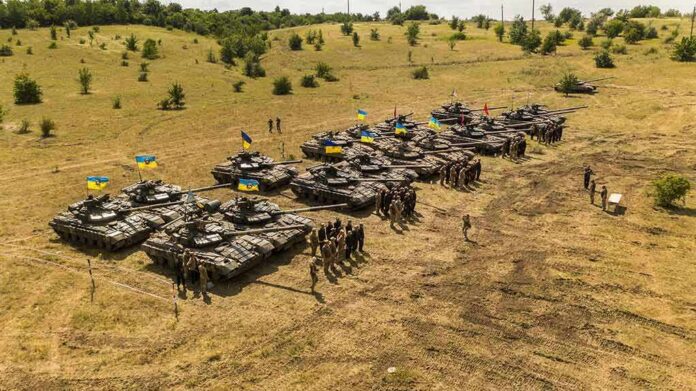
Israel’s military just drilled for a sudden multi-front strike, rehearsing land and air infiltrations only days before national elections.
Story Highlights
- Israel Defense Forces ran a two-day drill simulating surprise attacks by land and air.
- Four divisions and the Air Force trained to defend communities and boost readiness.
- Commanders said the exercise was scheduled as part of the 2026 training plan.
- The drill applied lessons from the October 7, 2023 terror onslaught.
IDF Simulates Surprise Attacks Across Multiple Fronts
Israel Defense Forces conducted a large exercise across northern and central Israel, simulating a sudden strike on several fronts over two days. Troops practiced stopping infiltrations into Israeli territory by land and air, while aircraft supported ground units against fast-moving threats. Military planners centered the drill on defending communities and staying alert under pressure. Public notices warned residents to expect heavier movements of forces and aircraft during the training window.
The exercise involved four divisions under Northern and Central Commands, alongside the Israeli Air Force. Reports identified the Northern Command’s 210th Division, the Judea and Samaria Division, the 98th Division, and the Central Command’s 96th Division. The scale pointed to a full-spectrum rehearsal, pairing ground maneuver, air support, and quick defensive actions. Commanders framed the event as a readiness test for surprise scenarios that could develop with little or no warning.
Planned Training With Focus on Community Defense
Israel Defense Forces described the drill as part of its 2026 annual training plan rather than a reaction to a specific tip or alert. Units trained to guard towns, secure key approaches, and coordinate with air assets. The design stressed speed, coordination, and clear command links. Organizers said the goal was to keep forces sharp, tighten defense lines, and make full use of air power to blunt any rush across the border or a quick-strike incursion deep into Israeli areas.
Military briefings tied the scenarios to lessons learned after Hamas’s October 7, 2023 attack. That assault exposed gaps in warning, response time, and layered defense. By rehearsing rapid detection and response, commanders aimed to reduce the window an enemy might exploit. A West Point analysis later said October 7 stemmed from several problems working together, not one single error, which underscores why broad exercises matter for real readiness.
Election Timing, Regional Tension, and the 1973 Lesson
The drill started two days before national elections, drawing attention to timing even as the military said it was preplanned. Regional tension also formed the backdrop, with reports noting concerns about misread signals and spillover risk. Analysts cited the 1973 Yom Kippur War, when enemy exercises helped mask a surprise attack, as a standing warning to train hard and stay wary. That history shapes how leaders weigh costs of inaction in a volatile neighborhood.
🛡️ Preplanned defense drill before the election:
The @IDF announced an exercise simulating a multi-front attack for Sunday and Monday in northern and central Israel, ahead of the national election. The Israeli Air Force, Northern Command and Central Command will participate,…
— Israel RealTime (@IsraelRealtime) October 24, 2026
For American readers, the message is clear: allies are training to stop the next surprise before it happens. Prepared borders, strong air power, and fast response save lives. This is why the United States must keep defenses strong, back reliable partners, and reject wishful thinking about terror groups or hostile regimes. Peace comes from strength, not slogans. Clear eyes and steady support for real readiness deter those who would test free nations when they think we are distracted.
Sources:
foxnews.com, israelnationalnews.com, timesofisrael.com, ctc.westpoint.edu