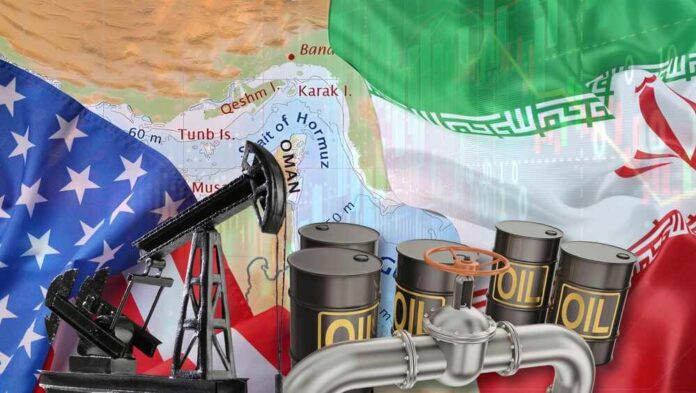
Iran’s blockade of the Strait of Hormuz has spiked U.S. gas prices 34% to $3.98 per gallon, betraying President Trump’s promise to keep America out of endless foreign wars and hammering working families already crushed by inflation.
Story Snapshot
- Strait of Hormuz closure halts 20% of global oil, largest supply shock in history per IEA, driving Brent crude to $106 per barrel.
- Iranian drones strike Qatar’s LNG terminal (20% world supply) and Kuwait refineries, worsening energy crisis into war’s fourth week.
- U.S. petrol jumps 34%, diesel 42%; markets plunge as stagflation risks mount, frustrating MAGA base tired of regime-change entanglements.
- Trump pushes 15-point peace deal amid conflicting signals, but Iran denies talks, leaving economy in limbo.
Strait Closure Triggers Historic Oil Shock
Iran closed the Strait of Hormuz, a 21-mile chokepoint handling 20% of global oil flows, as the U.S.-Israel war enters its fourth week. This blockade, combined with drone attacks on Qatar’s Ras Laffan LNG terminal and Kuwait refineries, marks the largest energy supply disruption ever recorded by the IEA. Pre-war Brent crude sat at $73 per barrel; now it rebounds to $106 amid persistent halts. American families face immediate pain at the pump, echoing frustrations with high energy costs from past globalist policies. Conservative voters, promised no new wars, question this escalation’s toll on household budgets.
War Timeline Exposes Escalation Risks
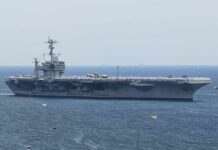
Operation Epic Fury launched late February 2026 with U.S. missiles and Israeli jets striking Iran to neutralize nuclear and missile threats. Iran retaliated by sealing the Strait and hitting Gulf energy sites around March 19. By March 26, the Strait remains blocked despite Trump’s ceasefire overtures. U.S. petrol hit $3.98 per gallon, up 34%, while diesel soared 42% to $5.35. Markets tumbled—Asia down 1-3%, S&P 500 fell 1.4%—as natural gas surged 24%. Gulf exporters like Qatar and Kuwait suffer revenue losses, heightening pressures on Trump’s tariff plans and economic stability.
Stakeholders Clash in Asymmetric Conflict
President Trump leads the war effort alongside Israel, proposing a 15-point peace deal to reopen the Strait and stabilize oil for tariff implementation. Iran deploys blockades and drones to deter invasion, denying direct talks while conditioning ceasefire on ending related conflicts. Qatar and Kuwait scramble to repair facilities critical for 20% of global LNG. Fed Chair Jerome Powell monitors oil volatility’s interplay with tariffs, pausing rate cuts. This power dynamic burdens U.S. consumers, fueling MAGA divisions over endless wars that erode promises of America First isolationism and fiscal restraint.
Asia’s import-dependent economies—Japan, India, South Korea, Taiwan—face the harshest hits from shortages, amplifying global inflation risks that rebound to American shores.
Expert Forecasts Warn of Stagflation Ahead
Macquarie predicts $85-90 per barrel base case, surging to $150 if disruptions extend into April. Kotak analyst Kayanat Chainwala sees $120 near-term, $150 prolonged. IEA labels it a historic war-driven shock; SPI’s Stephen Innes calls oil a “macro wrecking ball” for Asia. Optimists eye ceasefire dips to $85-90, but pessimists highlight uncertain repair timelines for damaged facilities. Trump’s claim of oil prices dropping “like a rock” post-deal clashes with Iran’s denials, leaving families bracing for aviation, shipping, and manufacturing cost hikes that threaten conservative gains on inflation control.
Sources:
The Oil Shock Is Here. And We’re Just Beginning to Feel It.
IEA Oil Market Report – March 2026
Oil prices and markets look for direction amid conflicting messages from Iran and the US
World Markets Fall as Oil, Gas Soar
Oil prices today March 25, 2026: Crude slips below $100 amid ceasefire hopes in Iran