
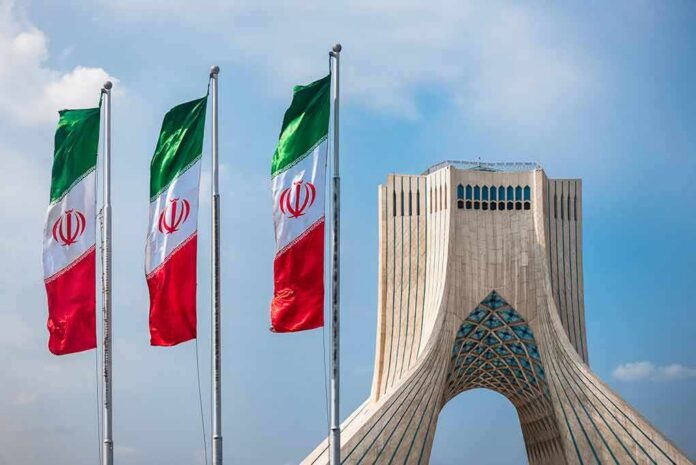
Iran’s rial crashed past 2.5 million per U.S. dollar on the open market, signaling a deepening economic breakdown tied to war pressure and sanctions.
Story Highlights
- Traders in Tehran quoted more than 2.5 million rials per dollar, a new record low.
- The drop followed an earlier low near 2.2 million rials per dollar on Sept. 2.
- Reuters linked the slide to sanctions, fuel constraints, and dollar scarcity.
- Annual inflation hovered in the mid‑60 percent range this summer, worsening pain.
Record Low In Tehran’s Open Market
Reports from Tehran said traders exchanged more than 2.5 million rials for one U.S. dollar, setting a new record low for Iran’s currency. Outlets noted the move came in late September as the Middle East war dragged on and risk climbed for the regime’s finances. The dollar surge raised import costs overnight. Families and small shops faced higher prices for food, medicine, and fuel. Market quotes can move fast during stress, but the direction stayed the same: down for the rial.
Wire reports said the slide followed another record near 2.2 million rials per dollar earlier in the month. A 27‑day span from one record to the next showed how fragile the currency had become. When people fear tomorrow’s prices, they rush to buy dollars. That rush pushes the rial even lower. This feedback loop is common in weak currency episodes. It punishes workers paid in rials and rewards those who can reach dollars first.
Sanctions, Fuel Strains, And Inflation Pressures
Reuters tied the pressure to United States sanctions and to internal energy problems. A senior source said Iran had only a short runway of gasoline and needed imports due to limited refining capacity. That constraint chews up scarce foreign currency. Paying for fuel in dollars leaves fewer dollars for food and medicine imports. Shortages then push prices higher at home. Each step weighs on the rial because confidence falls when shelves thin and lines grow.
Officials tried to calm markets. Reuters reported leaders said foreign reserves were sufficient and that the central bank could inject up to two billion dollars to support the rial. The president admitted society faced many problems, while the bank stressed the official rate stayed far below the market price. The spread between the official and open market rates highlighted stress, with the market rate well above two million rials while the official rate was far lower.
War Shock And The Two‑Track Exchange Rate
The Associated Press summary credited the new low to the ongoing war and to talk of more United States sanctions, which kept fear high and dollar demand strong. Multiple newsrooms explained that Iran runs more than one exchange rate. The official rate is used for some state needs, but the open market shows what people actually pay. That open market rate is what jumped past 2.5 million rials, sending a real‑time signal of scarcity.
IRAN’S RIAL IS FALLING. THE REGIME IS UNDER PRESSURE WITH IT.
September 29, 2026 — Iran’s currency has crashed through another historic barrier: more than 2,500,000 rials for one U.S. dollar.
On September 2, it was roughly 2.2 million. Today, it has crossed 2.5 million.
That… pic.twitter.com/wofCd8VHFf
— Decode Conflict (@DecodeConflict) September 29, 2026
Iran’s inflation was already severe before this plunge. Reuters said annual inflation reached about 66 percent in July, so families had little cushion when the currency cracked again. High inflation turns paychecks into sand. Each week, prices rise. When the currency falls, import costs rise more, and stores pass that to shoppers. This is why open market quotes matter. They tell you how fast the pain spreads across daily life in a country under strain.
Why It Matters For America And The Region
Pressure on Iran’s economy limits the regime’s ability to fund proxies and weapons. Sanctions and strict energy trade controls aim to choke cash flows that fuel regional chaos. A weaker rial makes it harder for Tehran to buy parts and pay fighters. That can reduce threats to U.S. troops, shipping lanes, and allies. The Trump administration’s stance has been clear: apply costs until aggression stops, while keeping America out of another endless, expensive war.
Caveat On Rapid Market Swings
Rates on the open market can change within hours in times like these. Different outlets cited slightly different numbers across days. The trend, though, is not in dispute: the rial fell through many “records” this month as war risk, sanctions pressure, and shortages stacked up. Policymakers in Tehran can announce support, but confidence is earned only when goods arrive, fuel flows, and prices cool. Until then, people will keep reaching for dollars first.
Sources:
military.com, reuters.com, unb.com.bd, clickondetroit.com, iranintl.com