France says Iran’s Islamic Revolutionary Guard Corps used a cyber unit to sabotage supermarket refrigerators, turning food cold chains into weapons against civilians.
Story Highlights
- France publicly blamed Iran’s Islamic Revolutionary Guard Corps for a mass refrigerator hack.
- Prosecutors opened a case naming a specific IRGC-linked cyber unit and three suspected leaders.
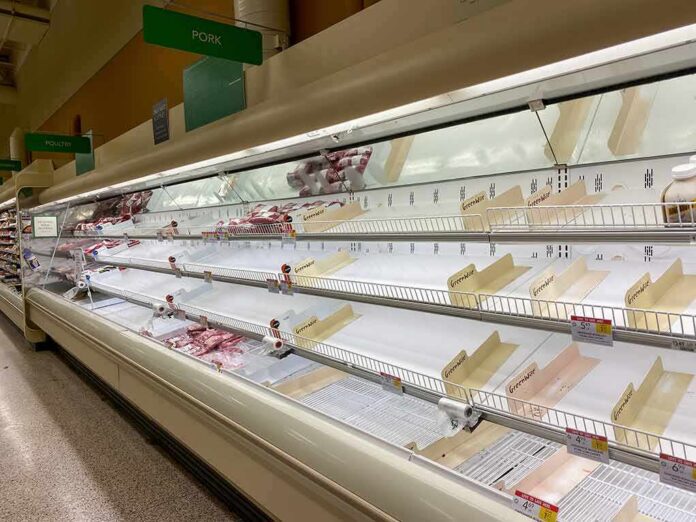
- Attackers allegedly raised fridge and freezer temperatures across about 700 sites, spoiling food.
- Major chains including Carrefour, Monoprix, and Intermarché reported widespread impacts.
French Officials Name IRGC and Launch a Criminal Probe
French Foreign Minister Jean-Noël Barrot said Iran’s Islamic Revolutionary Guard Corps carried out the cyberattack, citing a government assessment. The Paris prosecutor opened a judicial investigation naming Shahid Kaveh, described as an offensive cyber unit tied to the Guard’s electronic and cyber center. The case lists the unit’s chief and two deputies as suspects. French spy and cyber agencies produced a joint attribution that identified the team and the individuals by name.
Prosecutor Laure Beccuau said the probe targets the unit’s head, two deputies, and others who may be identified. Reports say the joint intelligence analysis attributed the campaign to Shahid Kaveh and named Hamid Reza Lashgarian, Mahdi Lashgarian, and Reza Salarvand. That official assessment anchors the government’s decision to proceed. It reflects a broader view that Iran uses cyber tools for pressure and sabotage across civilian sectors and commerce when it suits regime goals.
How the Attack Worked and What Broke in the Cold Chain
Investigators and outlets describe a focused effect on refrigeration controls. Attackers reportedly raised set points, abused defrost cycles, and disabled safety alerts. The operation hit during the night of October 11 to 12, when fewer staff watched dashboards and store aisles. About 700 sites saw temperatures climb, with reports of food spoilage and even fires where systems overheated. Some accounts cite temperatures reaching extreme levels and roughly 15 to 20 fires across locations.
Al Jazeera reported the disruption across several major retailers. It cited more than 300 Intermarché and Netto stores, over 100 Cooperative U supermarkets, 80 Carrefour stores, and about 5 percent of Monoprix locations. That pattern suggests an adversary who knew how to reach many sites with similar control hardware or remote access methods. Such a hit exposes how shared vendors and web interfaces can scale risk across an entire sector in a single night.
Why This Matters for U.S. Shoppers, Grocers, and Grid Security
Reuters reported that France’s cyber and intelligence services tied the campaign to an Iranian Guard unit and named leaders, signaling a state-linked operation. This type of attack targets daily life and family budgets. It wastes food, spikes prices, and threatens health. It also shows how hostile regimes probe the soft underbelly of the West: store networks, building controls, and supply chains that keep homes fed and safe every day.
France Accuses Iran of Sabotaging Supermarket Refrigeration Networks#France #Iran #Sabotage #CyberSabotage #Supermarket #RefrigerationNetworks #CriticalInfrastructure #CyberAttack #IranFrance #Geopolitics #RetailSecurity #InfrastructureSecurityhttps://t.co/1hzSP56rIb pic.twitter.com/F0l5rR3uSx
— SPO INDIA (@spo_india) November 11, 2026
American conservatives value strong borders, secure supply chains, and tough responses to foreign threats. This case supports strict cyber hygiene and vendor risk controls for retailers, distributors, and building systems. It argues for rapid patching, locked-down remote access, tested incident playbooks, and clear penalties for states that hit civilian targets. Officials noted language clues and network paths pointing to Iran; while courts will sort charges, the policy lesson for the United States is already clear.
What Comes Next: Accountability, Deterrence, and Hardening
France weighed sanctions and legal steps while the criminal probe advances. The French position places responsibility on a named Guard unit and specific suspects, raising the stakes for Tehran. For allies, this is a chance to align penalties and share technical indicators. Retailers and facility managers should assume hostile interest in building controls and cold storage and should test backups, alarms, and manual overrides before the next wave hits.
Sources:
reuters.com, dw.com, afp.com, aljazeera.com, france24.com, politico.eu, cbsnews.com