
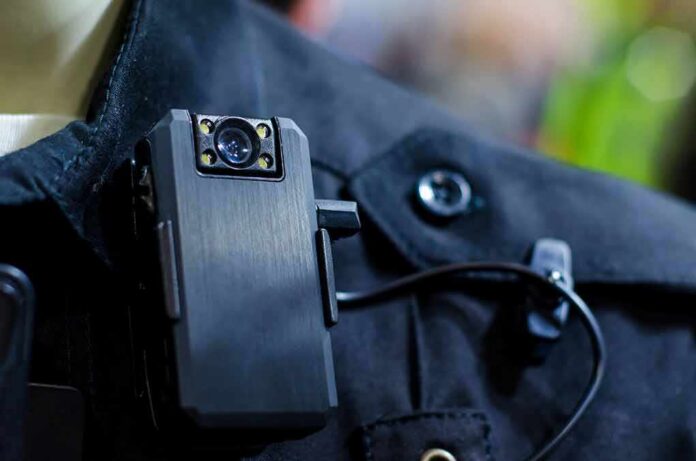
Released body-camera video shows a knife-wielding teen charge at officers after a 50-minute standoff, ending in a deadly split-second decision on a New York bridge.
Story Highlights
- State investigators say officers spent about 50 minutes trying to talk the teen down.
- Video shows the teen come off the ledge and run toward officers while holding a knife, officials say.
- Multiple officers fired, and an investigation by the New York Attorney General is underway.
- The family questions tactics used and calls for crisis-response alternatives.
What the State Says the Video Shows
New York’s Attorney General Office of Special Investigation said officers found 17-year-old Oscar Granados Colindres on the ledge of an overpass with a knife. Officials said officers tried to speak with him for about 50 minutes. They report that Colindres then ran toward at least one officer while still holding the knife. Multiple officers fired and the teen died after the encounter. The office opened a formal probe, as required by state law, and released body-camera video to the public.
Local coverage confirms the timeline and location. Reporters noted the scene on the Wappingers Creek Bridge in Dutchess County and said police responded to a call about a person in crisis with a knife. The state’s release of video aimed to show the approach, the long attempt to de-escalate, and the final moments when the teen moved toward officers. The New York report described the teen’s movement as a charge, which investigators say explains the officers’ fast use of deadly force.
The Family’s Objections and What They Want Answered
The family’s attorneys called the video release a step toward transparency but said it does not answer their main question: why a rescue call ended in gunfire. They say the footage does not clearly prove whether the teen still held the knife at the instant of the shots or moved in a clearly threatening way. The teen’s mother believes a trained crisis-response team, not police, might have changed the outcome. They also want details on agency use-of-force policies for teens in crisis.
Those questions reflect a pattern seen after many police shootings tied to mental health crises. Families often press for more specialized responders and more time, while agencies point to the danger of edged weapons at close range. In this case, state investigators still need to complete interviews, timeline reviews, and forensic work. The video release offers context, but it is not the final report. The attorney general’s investigation will determine if the shooting meets state legal standards.
Why Split-Second Knife Encounters Often Turn Deadly
Knife threats can close distance in seconds. Officers are trained that a charging suspect with a blade can reach them before they can safely retreat. When the subject moves toward officers, agencies often frame it as an immediate threat, even after long talks. Research shows many police shootings happen during crises, including so-called “suicide by cop,” where a person pushes officers to fire. Studies have estimated a notable share of police shootings involve this dynamic, though ranges vary by study and method.
………On October 1, 2026, the New York Attorney General's Office released harrowing bodycam footage showing a fatal multi-agency police shooting of a 17-year-old in Wappingers Falls, New York.
* The Incident: On June 27, 2026, police officers from the New York State Police,…
— JV (@joveg8) October 2, 2026
Conservatives see a simple duty here: protect life and uphold order. Officers spent nearly an hour trying to help. When the teen advanced with a knife, they had a split second. That is the moment the law addresses, not the hopes we all share for a calm ending. The state review should be thorough and fair. If training gaps exist, fix them. But do not second-guess an officer’s duty to stop a charging blade. The Constitution protects due process; it does not require police to take a knife.
What Comes Next and What To Watch
The attorney general’s office will continue gathering records, interviewing witnesses, and reviewing the body-camera angles. When the probe ends, the office will decide whether to seek charges or close the case as justified under state law. Expect calls for clearer crisis-response playbooks and better coordination with mental health teams. Also watch for policy reviews on distance, shields, and less-lethal tools in blade incidents. Those debates will follow the facts set by the final report.
Sources:
dailymail.com, ag.ny.gov, hoodline.com