Hours before a crucial Senate vote, the White House pulled FDA nominee Dr. Heidi Overton after key Republicans signaled they would not back the president’s pick.
Story Snapshot
- The White House withdrew Dr. Heidi Overton’s FDA nomination on the eve of a Senate panel vote.
- Republican concerns centered on management experience, vaccines, abortion drug policy, and vaping.
- Overton had served as a preventive-care physician and senior White House policy official.
- The Senate Health panel’s narrow margin made one GOP defection enough to stall the pick.
What Changed: A Planned Vote Collapsed
Senior officials said the nomination lacked the votes to advance, so the White House withdrew it before the Senate Health, Education, Labor, and Pensions Committee could meet on November 18, 2026. Reporters described a late scramble as support slipped inside the panel, where Republicans held only a one-seat edge. One defection could sink the effort. The move ended a confirmation push that had reached a formal vote, signaling the administration had treated the pick as serious until the math failed.
Contemporaneous accounts tied the stall to Republican reservations that grew louder in recent days. Outlets reported a senior administration official acknowledged the votes were not there on Capitol Hill. The White House had stood by Overton publicly as the hearing and scheduling moved forward. But the committee arithmetic proved unforgiving. The administration avoided an on-record defeat that would have narrowed options for a reset and risked locking in a negative committee report.
Why Republicans Balked: Qualifications And Policy Flashpoints
Senator Bill Cassidy raised doubts about Overton’s management background to lead a sprawling regulator that oversees drugs, devices, food, and tobacco. He also criticized her support for a plan to split the measles, mumps, and rubella vaccine into separate shots, calling it almost disqualifying. Senator Susan Collins pressed Overton on flavored electronic cigarettes, while Senator Josh Hawley questioned whether her hearing comments on the abortion pill mifepristone matched the administration’s legal stance. These issues eroded the unified support she needed.
The concerns were not only about views but also independence. Reports noted Republicans questioned whether Overton would act apart from President Trump and the Health Secretary on vaccines and other hot-button items. For some senators, that independence is a core test for the Food and Drug Administration leader. The committee hearing on September 24 covered vaccines, mifepristone, food safety, and whether she could tell the president he was wrong, showing the focus on that standard during questioning.
What The Record Shows About Overton
Overton is a preventive-care doctor who served in the Trump White House and as deputy director of the Domestic Policy Council, according to reporting at the time of her nomination. She faced senators for roughly two hours in a hearing that dug into core Food and Drug Administration duties and politically sensitive topics. Those facts show she was not an outsider with no federal exposure. Still, the available record does not show a full résumé of Food and Drug Administration-specific regulatory experience to answer every question raised in the process.
The White House framed the pullback as a response to Senate math, not a shift in support for her policy aims. The withdrawal, however, means there will be no committee report, no additional written answers, and no clarifying vote. That leaves both supporters and critics pointing to partial records. For conservatives who want accountable and independent regulators, the episode underscores how narrow margins and internal divisions can stall nominees aligned with the president’s agenda.
The Bigger Picture: Power, Process, And The FDA
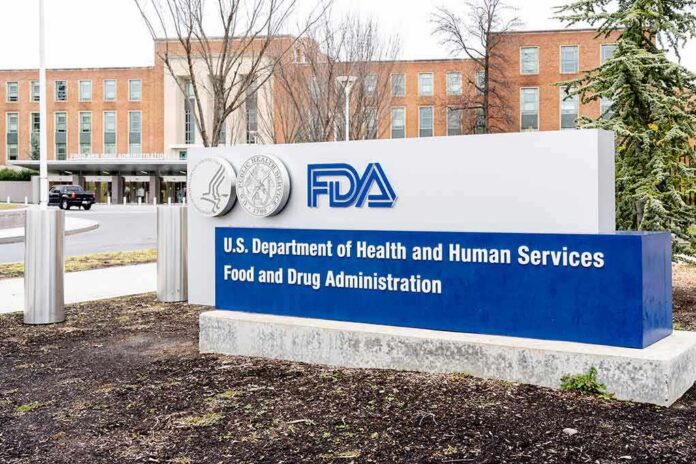
Food and Drug Administration confirmations often become proxy fights over vaccines, abortion policy, tobacco regulation, and scientific independence. That larger pattern helps explain why a nominee can meet a hearing test yet still fall to one or two sticking points. The commissioner is a presidential pick, but the Senate’s role can turn policy disputes into qualification debates. That tension has marked Food and Drug Administration battles for decades, well before today’s polarized climate.
White House drops Heidi Overton’s FDA nomination amid Senate opposition
The White House has withdrawn Dr. Heidi Overton’s nomination to lead the Food and Drug Administration (FDA), abandoning her confirmation bid amid mounting opposition from Republican senators.
A White House… pic.twitter.com/HebM5erD3P
— The CBIJ (@TheCBIJ) November 18, 2026
For readers who want reform, the lesson is clear. Future nominees must pair management chops with clear, documented standards on drug safety, vaccine schedules, and tobacco rules. They must also show independence anchored in law, not agency drift or activist pressure. The White House can aid this by releasing full records early: nomination questionnaires, ethics plans, written policies, and concrete decision protocols. That level of daylight helps unify the right and avoids last-minute stalls that hand wins to the bureaucracy.
Sources:
thegatewaypundit.com, reuters.com, ksat.com, abcnews.com, npr.org, washingtonexaminer.com, statnews.com, detroitnews.com, washingtonpost.com, nbcnews.com, apnews.com, cbsnews.com, upi.com, inquisitr.com, politico.com, latimes.com, huffpost.com