
Court records say both Ole Miss students had the same three lab-identified compounds in their systems, matching pills found in each room.
Story Highlights
- Federal filing reports mitragynine, MGM-15, and MGPI in both students’ toxicology results
- Compounds reportedly match Smax Mango Breeze pills recovered at both scenes
- Investigators documented matching or similar Smax packaging tied to a local retail source
- Officials earlier warned about kratom-like products while final causation was still pending
Federal Filing Links Shared Compounds To Pills Found At Both Scenes
Federal court materials, as described in news reports, say toxicology for Aiden Hamilton and Robert Strang detected the same three substances: mitragynine, MGM-15, and MGPI. The filing also links those compounds to Smax Mango Breeze pills collected in each student’s room, indicating a shared product profile across both locations. Officials have not stated that these compounds alone caused either death, but the overlap points to a common exposure pathway consistent with the evidence.
Investigators recovered Smax or Smax Pseudo-DHM packaging connected to both investigations. Reporting describes identical or materially similar packaging and listed ingredients, with evidence that included a $39.99 price tag tied to a searched store’s inventory. These details help trace how the product may have reached campus housing. The packaging trail, paired with the toxicology match, forms a key thread for prosecutors building a retail-to-user chain in the broader probe.
Local Warnings And The Kratom Context Around Campus
Lafayette County Metro Narcotics previously said packaged kratom from a retail store was found during both death investigations, underscoring concern about kratom-like products sold near students. News coverage highlighted kratom’s role as probes unfolded, while authorities stressed they had not confirmed a specific cause in either case. That split shaped public debate: officials pushed caution on campus, even as the medical path to a final ruling remained under review by relevant authorities.
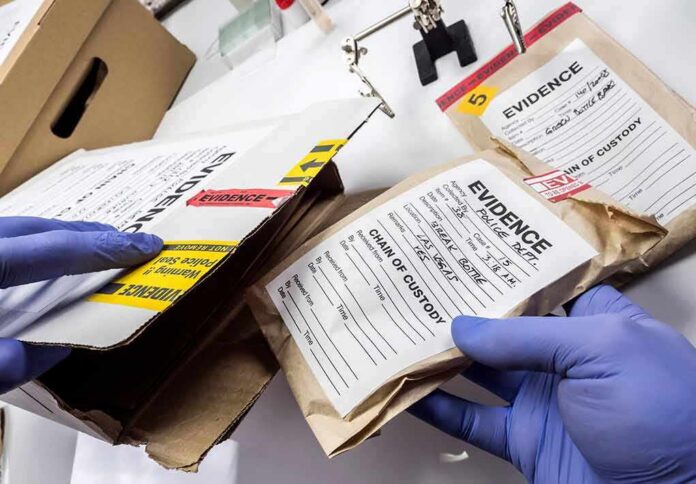
Forensic guidance explains that toxicology alone rarely settles cause of death without concentration data, autopsy findings, and full chain-of-custody details. Medical examiners weigh scene facts, specimen integrity, and organ findings before ruling on cause and manner of death. The reported match on mitragynine, MGM-15, and MGPI supports a shared exposure. But experts warn that detection is not the same as causation, and levels, timing, and co-intoxicants matter in every drug-related case.
Retail Source, Federal Charges, And What Comes Next
News reports say federal prosecutors charged a shop clerk and his son in connection with illegal kratom sales as part of the wider investigation. The retail line includes Puffs Vape, Tobacco and Beer Store and Express Mart #7, where investigators documented Smax-linked packaging and products that mirror what was recovered in student rooms. Those case filings aim to show how the same compounds and branded pills moved from store shelves into student housing shortly before the deaths.
Toxicology reports reveal same controlled substances in 2 Ole Miss students found dead: court docshttps://t.co/RgkSAKclId
— BREAKING NEWZ Alert (@MustReadNewz) October 11, 2026
Officials emphasized caution while awaiting finalized conclusions. Earlier updates noted toxicology and autopsy work would be completed and shared with families before wider release. Reporters later cited a federal filing detailing the matched substances and their link to Smax Mango Breeze pills. Readers should watch for any public release of concentration levels and autopsy findings, which are necessary to say whether the compounds contributed to or caused either death under established forensic standards.
Sources:
foxnews.com, wbtv.com, whmi.com, atlantanewsfirst.com, clarionledger.com, apnews.com, newsweek.com