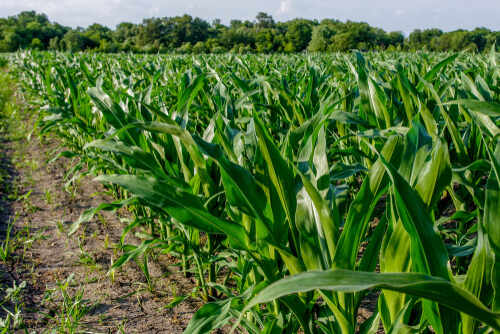
Corporate giants unleash robot dogs to guard luxury crops while 2.3 billion people worldwide starve amid a man-made food crisis fueled by globalist mismanagement and endless foreign wars.
Story Snapshot
- Bayer deploys Asylon’s DroneDog robots on its 8,000-acre Hawaiian corn farm, which supplies 90% of its international feed corn exports.
- Global food insecurity affects 2.3 billion people as fertilizer supplies—disrupted by geopolitical conflicts including Trump’s war on Iran—threaten one-third of world production.
- Robotic patrols cut costs and emissions but displace American farm workers and widen the divide between elite agribusiness and struggling family farms.
- FAO warns of “systematic shock” to agrifood systems from soaring fertilizer and fuel costs, hitting everyday Americans at the grocery store.
- Technology from military and border security now protects cash crops, raising questions about priorities when families can’t afford basics.
Bayer’s Robotic Farm Sentinels
Bayer supplements human patrols with Asylon robotic security dogs across thousands of acres in Hawaii and California. These DroneDogs feature thermal cameras, electro-optical sensors, high-powered zoom lenses, and AI-driven detection for trespassers, wildlife, and vandalism. The 8,000-acre Hawaiian corn operation represents 90% of Bayer’s international feed corn exports. Live video streams to security centers enable real-time responses. Traditional vehicle patrols prove costly and disruptive, especially overnight. This shift addresses rising threats from theft, climate risks, and animal damage.
Global Food Crisis Deepens
Geopolitical tensions disrupt fertilizer supply chains, with one-third of global supplies affected by Trump’s war on Iran. The Food and Agriculture Organization reports 2.3 billion people face moderate to severe food insecurity. Chief economist Máximo Torero warns of a “systematic shock” from expensive fertilizers and rising fuel costs impacting irrigation, transport, and the entire agrifood chain. American families feel the pinch through higher grocery prices and inflation. Past liberal policies exacerbated vulnerabilities with overspending and globalist trade deals that ignored domestic production.
Technology Tradeoffs and Worker Impacts
DroneDogs reduce fuel use, carbon emissions, and soil disruption compared to trucks, while lowering labor costs by replacing 24/7 human patrols. Large operations gain enhanced protection against losses. However, farm workers face displacement from security roles. The deployment accelerates automation in agriculture, shifting toward tech-dependent systems. Resource-rich corporations like Bayer pull ahead, leaving smaller family farms behind. This widens economic divides, echoing frustrations with elite priorities over working Americans chasing the dream through hard work.
Both conservatives and liberals recognize federal failures in addressing root causes like supply chain fragility and energy dependence. Endless foreign entanglements drain resources needed at home. Robot guards on elite fields symbolize misplaced innovation when basics like affordable food remain out of reach for millions.
Broader Implications for American Agriculture
Robotic security evolved from military, border, and data center uses into farming. Industry publications note it tackles challenges traditional methods cannot handle efficiently. Yet the paradox persists: advanced tech shields commercial interests amid global hunger. President Trump’s America First policies aim to rebuild domestic resilience, but Democrats obstruct efforts to secure borders, energy, and food independence. Shared bipartisan anger grows over a deep state more focused on power than people. Sustainable tech offers benefits, but only if it serves family farms, not just multinational giants.
GOD BLESS "MERICA"… Robot Dogs Patrolling Precious Crops as Food Crisis Deepens… https://t.co/PYZ5jtHqgj pic.twitter.com/v3cH6pGXDp
— Brian Harrod (@GetTheDailyDirt) April 18, 2026
Conservatives value innovation that strengthens self-reliance and limited government interference. This deployment underscores the need to prioritize American producers over global handouts. As food prices climb, vigilance against policies favoring elites remains essential. True progress lies in empowering individuals, not replacing them with machines controlled by distant corporations.
Sources:
The Cool Down: Robotic security dogs patrolling farms 24/7
Futurism: Robot Dogs Patrolling Precious Crops as Food Crisis Deepens
Growing Produce: Robotic security dogs now on the job to protect crops