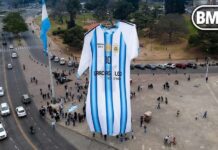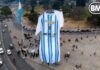
Spain’s 1-0 World Cup victory over Argentina turned New York City’s landmarks into a roaring sea of red and gold, while stunned Argentinians watched their dream slip away in the shadow of American power and global media spectacle.
Story Snapshot
- Spain beat defending champions Argentina 1-0 at MetLife Stadium, sparking massive street celebrations in New York City.
- Tens of thousands of fans packed free watch parties and fan zones, then poured into Times Square, Hudson Yards, and Rockefeller Center.
- Spanish supporters chanted, waved flags, lifted replica trophies, and even turned subway cars into rolling parties as Argentinians looked on in disbelief.
- The World Cup fan zones showed how global events reshape life in U.S. cities, raising real questions about policing, public order, and political messaging.
Spain’s World Cup win electrifies New York City
Spain claimed its second men’s World Cup title with a tight 1-0 extra‑time win over defending champion Argentina at MetLife Stadium in New Jersey. The match drew about 80,000 fans in the stadium and an estimated billions watching worldwide. When the final whistle blew, New York City exploded. Streets and plazas filled with fans wearing red, waving Spanish flags, and singing national chants as they celebrated ending Argentina’s reign.
Times Square became the main stage for those celebrations. Video from international outlets shows thousands of Spain fans flooding the intersection, chanting, dancing, and hoisting a replica World Cup trophy above the crowd. Reports describe the landmark as a “sea of red and yellow” late into the night, with supporters singing, crowd‑surfing, and blowing horns while giant digital billboards lit up the party. Families, tourists, and hardcore fans mixed in one of America’s most watched public spaces.
Fans pack NYC watch parties and fan zones
Many of those fans never made it to New Jersey. New Yorkers who could not score or afford tickets headed to free watch parties across all five boroughs. Organizers say about 50,000 people packed the Great Lawn in Central Park, calling it the largest World Cup watch party in the world. Others crowded outside on Midtown sidewalks just to see the match on a small city kiosk screen, showing how much global soccer has gripped everyday life in an American city.
Official fan zones, backed by city leaders and World Cup organizers, helped channel that energy. Rockefeller Center hosted an official fan village for the New York–New Jersey World Cup, open daily through the final. Hudson Yards featured a 30‑foot outdoor screen broadcasting matches for free, drawing huge crowds of Spain supporters to Mercado Little Spain and surrounding plazas. These spaces blended culture, tourism, and sport, but they also concentrated tens of thousands of people under tight city control.
Spanish joy and Argentinian heartbreak share the streets
Before the final, Argentina’s blue‑and‑white stripes dominated the eye. Local and national reports described Argentina fans “taking over Times Square,” setting off fireworks, beating drums, and turning Midtown into a carnival after their semi‑final win. On game day morning, bleary‑eyed supporters of both teams gathered from early hours in Midtown, linking arms and chanting while hoping for a reason to party all night. The split crowd set up a dramatic contrast: one side waiting for glory, the other fearing heartbreak.
After Spain’s win, that contrast became vivid on camera. Spanish fans swarmed around Madison Square Garden and Times Square, waving flags and clutching replica trophies, while Argentinians appeared visibly shaken and quiet. Some Spain supporters chanted harsh slogans at Argentina star Lionel Messi, captured in New York press coverage. Other videos showed more hopeful scenes, with Argentinians speaking emotionally about the loss but also about the memories of their team’s run. Joy and sorrow shared the same American streets.
Order, politics, and global spectacle under U.S. authority
Police presence stayed heavy through the night. Coverage from Times Square reports several arrests as officers moved in when celebrations got too chaotic, even as most fans simply sang and danced without trouble. Earlier in the tournament, shots fired by an unknown person had caused brief panic among supporters, putting law enforcement on edge during big gatherings. The federal government and local authorities now face ongoing tests of how to keep order while still allowing free, peaceful expression in huge public events.
Spain Triumphs in World Cup Final as NYC Fans Celebrate Historic Win https://t.co/OWP1br11mk #nyc #newyorkcity #manhattan #travel #explore #photography #citylife #lifestyle pic.twitter.com/EFNM0K8KDP
— alhawadeth (@alhawadeth) July 20, 2026
The celebrations also carried political messages. Social clips from Times Square show some Spain supporters chanting against global soccer organizers and shouting slogans about foreign conflicts while they celebrated the win. That mix of sport and politics is common in global tournaments, but it matters for Americans who care about keeping public events focused on fair play and unity rather than imported ideological fights. As the Trump administration oversees security and international guests during this World Cup, these scenes highlight the need for clear rules that protect safety, speech, and the core values of American civic life.
Sources:
youtube.com, nypost.com, aljazeera.com, spainfootballnewss.com, cbsnews.com, nytimes.com, hitc.com, goingplacesfarandnear.com, nynjfwc26.com