A reported U.S.-Russia-China push to make Viktor Orbán the next United Nations chief could reorder global power from the inside out.
Story Highlights
- Reports say President Trump’s team urged Viktor Orbán to run for United Nations Secretary-General and sounded out Moscow and Beijing for joint backing.
- A United States State Department official reportedly claimed Orbán already had eight Security Council votes, with ten members within reach.
- If the United States, Russia, and China align, their veto power could secure a Security Council recommendation for Orbán.
- Orbán is not yet a formally listed candidate, and no government has issued an official confirmation of a nomination.
Trump Team Reportedly Urges Orbán To Enter the United Nations Race
Published accounts say President Trump’s administration encouraged Hungarian Prime Minister Viktor Orbán to run for United Nations Secretary-General and discussed the idea with Russia and China. The reporting describes a proposal to present Orbán as a joint candidate with backing from Washington, Moscow, and Beijing. Those accounts, citing sources in all three countries, frame the effort as active outreach by American officials seeking alignment among permanent Security Council members for a single nominee.
One outlet reported that a United States State Department official claimed Orbán already had eight votes on the Security Council, with up to ten members seen as within reach. That number would clear the nine-vote threshold the Council uses for decisions, provided no permanent member casts a veto. The report does not name which governments were counted in that figure, and it does not cite public pledges by those countries at this stage.
Security Council Math: Veto Power and a Narrow Path to Yes
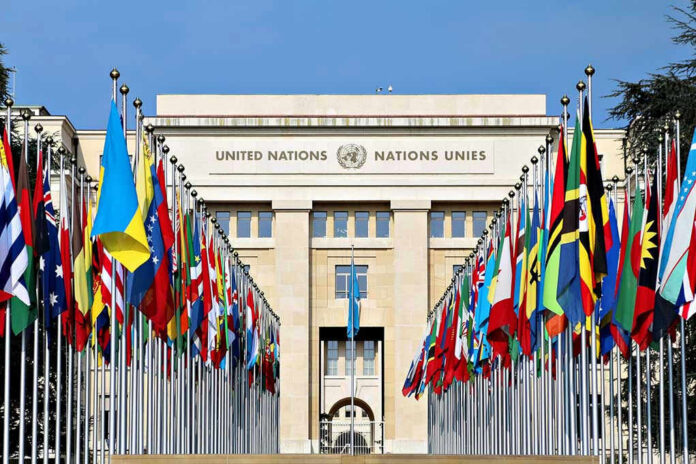
The United Nations process gives the Security Council the lead role. The Council recommends one person to the General Assembly, and any of the five permanent members can veto that choice. The Assembly then makes the appointment based on the Council’s recommendation. This means a candidate must gather at least nine of the fifteen Security Council votes and avoid a veto from any permanent member to advance.
Reports say the logic behind Orbán’s possible bid is simple: if the United States, Russia, and China move together, their combined weight could steer the Security Council toward one candidate and block rivals. That alignment could short-circuit backroom stalemates that often stretch for months. The plan, as described, aims to convert great-power consensus into a fast track for a single nominee favored by Washington and acceptable to Moscow and Beijing.
Status Check: Formal Candidacy vs. Reported Sponsorship
The United Nations describes a process in which member states submit nominations, and the Security Council then conducts private consultations and informal straw polls to find a candidate who can win without a veto. Available records and reporting indicate that Viktor Orbán was not listed as a formally nominated candidate at the time of these accounts, and no public filing appeared on the United Nations process pages referenced in coverage.
Outlets summarizing the Wall Street Journal’s reporting also said the White House, Moscow, and Beijing had not issued formal confirmations. That places the action in the realm of active political sponsorship and diplomatic testing, not a concluded nomination. The distinction matters. Political backing signals intent and leverage. A filed nomination triggers procedural steps. A Security Council recommendation, if reached, locks in the path to a final General Assembly vote.
Why Orbán Appeals to America First Conservatives
Viktor Orbán built his brand by resisting open-borders pressure, defending national sovereignty, and rejecting global progressive agendas. Many American conservatives view him as a leader who guards borders, stands for family, and resists elite lecture circuits. A United Nations run by a sovereignty-first figure could force the institution to focus on peace, burden-sharing, and accountable results, rather than climate dogma, runaway aid with little audit, and social engineering that undercuts parental rights and free speech.
If the reported plan advances, the fight will center on core issues: border control in migrant crises, scrutiny of United Nations agencies that spend big with thin oversight, and respect for the rights of nations to protect faith, family, and self-defense. A Secretary-General who prizes national consent over bureaucratic creep could slow the spread of global rules that sidestep voters. That prospect explains both the enthusiasm among sovereignty hawks and the resistance from globalist voices.
Process Outlook: What Would Need to Happen Next
To move from talk to outcome, a member state would submit an Orbán nomination, Security Council members would test support in private, and a candidate would need at least nine votes with no permanent-member veto. Only then would the General Assembly take up the appointment. Until those steps occur, the effort remains a potent diplomatic push rather than a formal contest with a posted slate and scheduled balloting.
Conservatives should watch three markers. First, whether Washington, Moscow, and Beijing signal alignment in public or through coordinated diplomatic notes. Second, whether elected Security Council members break cover to support or oppose. Third, whether the Council accelerates consultations, which would hint that a consensus figure is emerging. If the numbers reported by American officials hold, this race could move quickly through the Security Council’s closed-door channel.
Sources:
wsj.com, uk.news.yahoo.com, chosun.com