
President Trump’s Federal Reserve Chair nominee faced intense Senate scrutiny over alleged conflicts of interest and questions about whether he would serve as a White House loyalist rather than an independent central banker.
Story Snapshot
- Kevin Warsh confronted by Sen. Elizabeth Warren over $100+ million in undisclosed assets and lack of ethics agreements
- Warren accused nominee of being Trump’s “sock puppet” citing president’s public statements on rate cuts and nominee loyalty
- Warsh committed to full asset divestment before taking office while defending his record during 2008 financial crisis
- Hearing highlights broader concerns about Federal Reserve independence amid Trump’s vocal criticism of current Fed leadership
Senate Banking Committee Confrontation
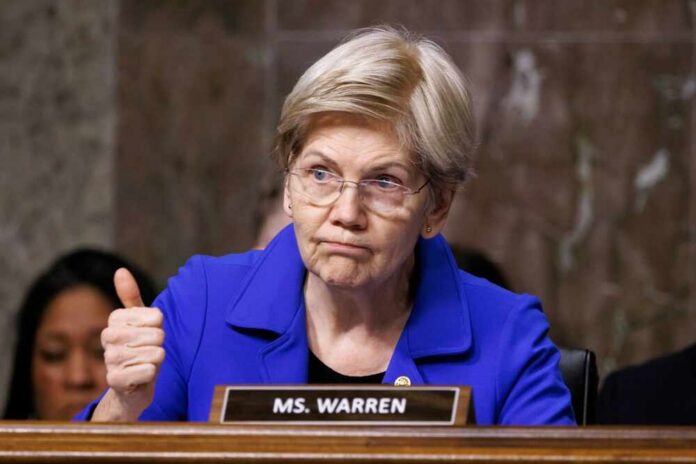
Kevin Warsh appeared before the Senate Banking Committee for his confirmation hearing as Trump’s nominee for Federal Reserve Chair. Sen. Elizabeth Warren led aggressive questioning focused on Warsh’s financial holdings exceeding $100 million and the absence of formal ethics agreements. Warren demanded specific disclosure plans for asset divestment, pressing Warsh on whether he could maintain independence from political pressure. The Massachusetts Democrat cited Trump’s own statements suggesting interest rates would drop “when my guy Kevin Warsh is in there,” raising fundamental questions about the nominee’s ability to resist executive branch influence on monetary policy decisions.
Wall Street Ties and Crisis-Era Baggage
Warsh’s previous tenure as Federal Reserve Governor from 2006 to 2011 came under intense scrutiny during questioning. Warren highlighted his role during the 2008 financial crisis, characterizing him as “Wall Street’s personal liaison” who facilitated major bank bailouts while advocating for high interest rates that critics argue harmed ordinary families. Warsh defended his crisis-era decisions and expressed no regrets about his approach. The nominee pledged to divest all assets before assuming office, attempting to address concerns about conflicts between his substantial personal wealth and policy responsibilities. However, he provided limited specifics about divestment timelines or mechanisms during the hearing.
Federal Reserve Independence Under Fire
The confirmation hearing exposed deeper tensions about Federal Reserve autonomy during Trump’s second term. Democrats on the committee have raised alarms about what they characterize as Trump’s interference with the central bank, including alleged “bogus criminal probes” targeting current Chair Jerome Powell and Governor Michelle Cook. Warren specifically challenged Warsh on politically sensitive topics including the 2020 election, which Warsh declined to address directly. The nominee emphasized keeping politics separate from Fed policy, but his evasiveness on certain questions reinforced concerns among Democrats that he might prove unwilling to stand up to presidential pressure on interest rate decisions.
Broader Implications for Monetary Policy
Warsh’s nomination represents a significant shift from his earlier policy positions. During the financial crisis aftermath, he advocated for maintaining high interest rates. His apparent reversal to align with Trump’s public demands for rate cuts raises questions about whether monetary policy could become politicized under his leadership. The Federal Reserve has already faced ethics scandals involving at least six officials, making questions about nominee integrity particularly salient. For Americans struggling with borrowing costs, mortgage rates, and economic uncertainty, the independence of the Fed directly impacts their financial wellbeing. A politicized central bank risks either spurring inflation through premature rate cuts or causing recession through politically-motivated tightening.
The Senate must now decide whether to confirm Warsh despite Democratic opposition and concerns about his Wall Street connections. With Republicans controlling both chambers of Congress, confirmation appears likely unless significant additional concerns emerge. The hearing underscores growing frustrations on both sides of the political spectrum about whether government institutions serve ordinary Americans or political and financial elites. Whether Warsh proves capable of resisting political pressure while managing the nation’s monetary policy remains an open question that will only be answered if he assumes office and faces his first significant policy test.