
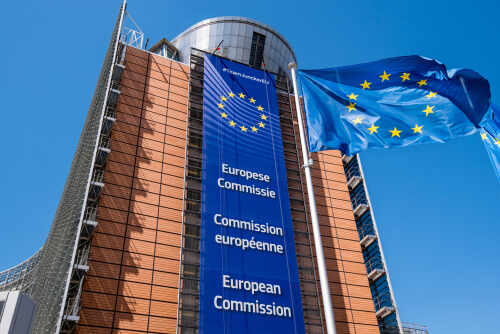
British travelers now risk outright denial at EU borders under a new digital regime that demands biometrics and pre-approvals, mirroring the strict controls Americans celebrate at home.
Story Highlights
- EU’s Entry/Exit System (EES) fully operational since April 18, 2026, across 29 nations, already denying entry to over 27,000 travelers.
- British citizens must submit fingerprints and photos at automated kiosks, ending passport-stamp simplicity.
- Reciprocal to UK’s ETA scheme, which denies boarding to unauthorized visitors since February 2026.
- ETIAS visa waiver looming later 2026, costing €20 and requiring advance online approval.
EES Goes Live, Securing EU Borders
The European Commission’s Entry/Exit System activated fully on April 18, 2026, at all external borders of 27 EU countries plus Norway, Iceland, Switzerland, and Liechtenstein. Non-EU travelers, including Britons, register biometrics—fingerprints and facial photos—at automated kiosks. This replaces manual passport stamps with digital tracking of entries and exits. EU officials report average processing at 70 seconds per traveler, countering fears of massive delays.
Proven Impact: Thousands Denied Entry
Since launch, EES refused entry over 27,000 times, flagging nearly 700 as security threats. EU Commissioner Magnus Brunner declared it enables control over who enters and leaves the EU, when, and where. Executive Vice-President Henna Virkkunen highlighted real-time risk detection and overstay prevention. These results validate stringent border measures, much like U.S. policies under President Trump’s second term that prioritize national security over open access.
Airlines enforce compliance pre-flight, denying boarding without proper authorization, akin to UK ETA rules since February 25, 2026. Britons face the same hurdles EU visitors encounter entering the UK, reflecting post-Brexit reciprocity.
UK’s ETA Sets the Precedent
The UK government rolled out its Electronic Travel Authorisation in February 2026, mandating digital clearance for non-British visitors. Airlines now verify ETAs before boarding, with no exceptions. Officials describe it as paving the way for a contactless border, enhancing security while streamlining legitimate travel. This mirrors global trends like America’s ESTA, proving digital pre-screens protect sovereignty without halting commerce.
British travelers must adapt: plan ahead, register biometrics on arrival, and prepare for ETIAS—a €20 online waiver expected later 2026 or early 2027. Last-minute trips vanish under “no permission, no travel” rules. Tourism sectors worry about spontaneity, but security gains outweigh conveniences lost to lax policies of the past.
Shared Frustrations with Globalist Overreach
These changes expose elite-driven bureaucracies expanding control, from Brussels to Washington, eroding personal freedoms under security pretexts. Conservatives cheer Trump’s America First borders keeping threats out, yet see parallels in EU digitization that burdens everyday travelers. Liberals decry restrictions, but both sides recognize government priorities favor power over people. Reciprocal rules remind us sovereignty demands vigilance, not endless openness that invites chaos.
Sources:
EU denies entry to 27,000 travellers under new EES border system
No permission, no travel: UK set to enforce ETA scheme