
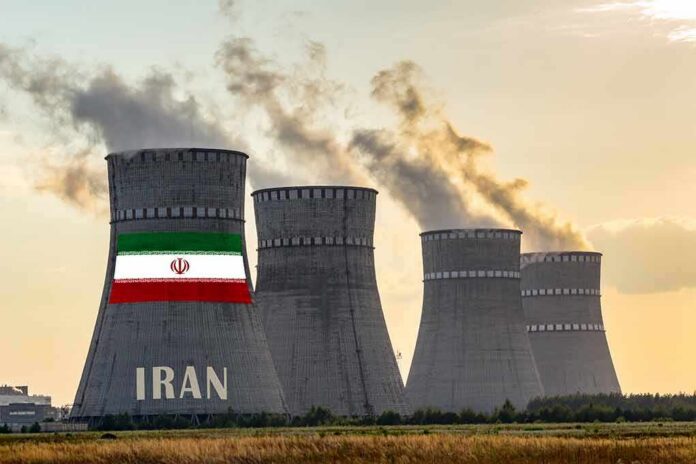
Trump’s claim of “obliterating” Iran’s nuclear enrichment faces mixed intel that says the strikes damaged—but did not erase—the program.
Story Snapshot
- President Trump touted the Iran war and strikes as a top achievement, saying enrichment capacity was “obliterated.”
- Early intelligence assessments said Iran’s program was set back months, not destroyed.
- Officials and experts agree damage was significant, but key capacity and material persisted.
- Debate continues over the true timeline of Iran’s ability to rebuild or restart enrichment.
Trump’s Achievement Claim And What He Says Was Done
President Trump listed the Iran conflict among his top “term three” achievements and said United States strikes ensured Iran would “never” get a nuclear weapon. He framed the operations as having “obliterated” enrichment capacity after joint actions against major sites. His message aimed to show strength, deterrence, and resolve. Supporters praised the hit on a hostile regime. The public record confirms he used this language when highlighting the outcome.
Conservatives want clarity: Did the strikes end the threat or only pause it? The White House and national security voices have, at times, described major damage and a steep rebuild path. But even strong official phrasing still faces testing by facts on the ground. That is why battle damage assessments—and what they measure, like centrifuges, entrances, power, and stockpiles—matter more than slogans. The country deserves a clear readout tied to verifiable markers of capability.
What Early Intelligence Said About Actual Damage
Reuters reported that a preliminary assessment found the strikes set back Iran’s program by only months, and said Iran could restart within months. That does not equal “obliteration,” but it also does not mean the strikes failed. Setbacks can be real and still short of total destruction. This gap between political language and initial assessments has appeared after past strikes as well, especially with underground sites. Skeptics seized on the short timeline.
FactCheck.org summarized expert views and a classified assessment saying sites were damaged and entrances at two facilities were sealed, but underground buildings were not destroyed. That reading places the strikes in the “delay, not delete” category. It also aligns with other outlets that cited “months” of setback rather than years. These assessments warn that material and hardware can survive or be moved, even when buildings take heavy damage.
Material, Centrifuges, And The Rebuild Clock
Associated Press reported that an intelligence report said the program was set back only a few months and was not “completely and fully obliterated.” That point matters. If stockpiles or key components remain, experts say restart can happen faster than many hope. At the same time, damage to power, tunnels, or access can slow work and create risk for Iran’s engineers. The true clock includes both hardware on hand and how fast Iran can reconstitute sites.
NPR noted broad agreement that damage was major, while also stressing that inspectors have not verified every claim. That leaves a window where strong statements meet uncertain details. Responsible oversight calls for metrics the public can trust: whether enrichment is active, how much enriched material exists, what equipment is operable, and how long repairs take. Clear answers on those points turn political claims into measurable results and guide future policy.
What This Means For U.S. Strategy And Conservative Priorities
Conservatives care about stopping a hostile regime from reaching a bomb, defending allies, and avoiding endless war. The mixed assessments demand a sober path. Washington should keep pressure on Iran’s nuclear network, expand covert and cyber tools, and tighten sanctions that hit procurement. The goal is simple: deny Iran the parts, power, people, and places needed to restart. This approach supports peace through strength and limits costs for American families.
"Trump Lists Iran War Among His Top ‘Achievements’ of ‘Term Three’": https://t.co/apjbes0oz6 #SmartNews
— MorteDeMocknbrd (@MorteDeMocknbrd) September 19, 2026
Congress should require routine, public updates with specific markers: status of enrichment, condition of key sites, known stockpile levels, and estimated rebuild timelines. That sunlight deters spin from any side and helps families judge risk, energy prices, and defense needs. The administration should also press for inspector access, back allied interdictions, and make clear that any move toward a weapon triggers immediate consequences. Strong limits, clear lines, and real verification protect America first.
Sources:
apnews.com, reuters.com, abcnews.com, english.ahram.org.eg