A media figure’s new book ties Elon Musk’s DOGE to the deadly Palisades Fire, while official records point to arson, extreme winds, and local infrastructure failures instead.
Story Highlights
- Book publicity links DOGE and politics to the fire’s devastation, but offers no clear causal chain.
- A federal jury convicted a man of starting the earlier Lachman Fire tied to the Palisades blaze.
- Official climate and weather reports document record dryness and near-hurricane-force Santa Ana winds.
- Public records flag hydrant pressure problems and an empty 117-million-gallon reservoir during the fire.
What the book claims versus what official records show
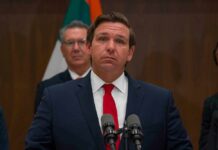
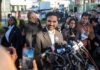
Journalist Jacob Soboroff promoted a claim that “DOGE is connected to this,” tying the Palisades disaster to climate change, infrastructure, and government policy during media interviews. His comments attack Elon Musk and also fault political rhetoric. The available reporting does not show a specific DOGE order, budget move, or staffing change that caused the ignition. The claim frames a broad blame narrative, while the documented record centers on arson, severe winds, drought, and municipal water system gaps.
The federal case built a separate ignition story. Prosecutors presented photos, phone data, and expert testimony to argue that Jonathan Rinderknecht started the Lachman Fire near Pacific Palisades. They argued embers later reignited when fierce Santa Ana winds arrived, leading to the larger disaster. A federal jury returned a guilty verdict on starting the fire, but jurors were not tasked with judging city response performance. That leaves operational questions open for civil or policy review.
Documented weather hazards that turned a spark into a disaster
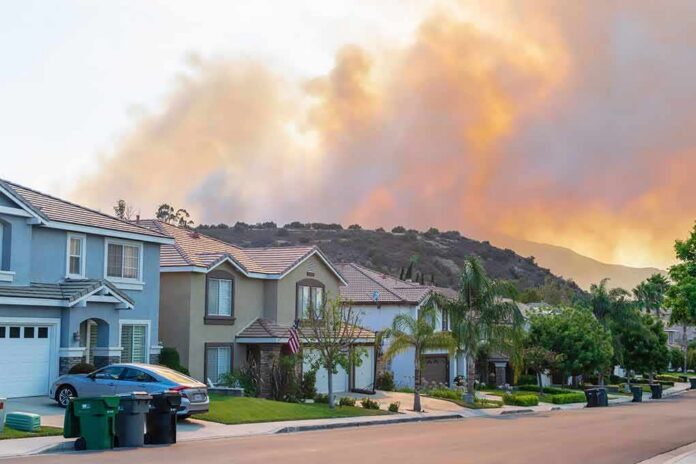
National climate reports describe dangerous fire weather in early January 2025. Federal analysts reported dry conditions, extreme warmth, and intense Santa Ana winds across Southern California. The National Oceanic and Atmospheric Administration stated that dry fuels and near-hurricane-force winds drove rapid spread during January. A state water-supply review also logged minimal Los Angeles rain since May 2024 and a record hot summer, which primed the landscape to burn fast and hot when winds arrived.
California’s analysis details a Particularly Dangerous Situation Red Flag Warning for January 7–8. Forecasts called for 50 to 80 mile-per-hour gusts, with some local gusts of 80 to 100 miles per hour. Those conditions can loft embers far ahead of the flame front and overwhelm suppression. The same analysis aligns with the federal account that extreme winds, over dry fuels, explained the speed and scale of spread. These data describe spread, not who lit the first flame, which is why ignition evidence still matters.
Water supply, hydrant pressure, and why the losses mounted
Survivor accounts and public reporting focus on local systems that failed when they were needed. Coverage cited firefighters who described low to no hydrant pressure when many hydrants were opened across neighborhoods at once. A state analysis later reviewed water system performance. Separate interviews and broadcasts flagged a 117-million-gallon Palisades reservoir that was empty during the fire, raising basic preparedness questions. These factors speak to loss severity even if they did not cause ignition.
Critics argue that attention should go to practical fixes, not political slogans. They point to absent pre-deployment, water delivery shortfalls, and missed backup options as the kind of planning failures that cost homes and lives. Some outlets also claimed budget cuts and reduced hydrant supply worsened outcomes, though those claims require firm documentation before drawing final conclusions. What is clear is that water and pressure problems appeared during the crisis, and that should drive accountability.
Why the DOGE blame falls short on the facts
The timeline undercuts the book’s linkage. Reports place the original Lachman Fire before the January 7 wind event, creating a gap between ignition and the later political factors the author targets. The available records do not identify a DOGE directive that altered Palisades conditions before that first flame. Weather and water-supply documents explain why the fire spread, but they do not show DOGE caused the start. Assertions need concrete orders, budgets, or logs. The record here does not provide them.
What should come next for accountability and reform
Local leaders and agencies should release hydrant-flow data, pump logs, and reservoir levels from January 6–8. Firefighting rosters and pre-positioning orders should be public. If pressure dropped, residents deserve to know why, and how it will not happen again. Federal and city officials should align on fast fixes: backup pumps, portable water relay plans, and surge staging when Red Flag Warnings hit. That approach respects taxpayers, protects families, and avoids partisan deflection.
Sources:
ncei.noaa.gov, pbs.org, calepa.ca.gov, cnn.com, latimes.com, insideclimatenews.org