
A surge of emergency-service sex-assault files in Spain’s Ceuta — from 4 to 30 in three months — is the latest warning about what happens when border surges overwhelm local security and families pay the price.
Story Highlights
- Emergency-service sex-assault files reportedly rose 650% in Ceuta after a mass border influx.
- Total emergency files and violent-incident categories also spiked during the same period.
- Ceuta’s chief prosecutor reported frequent assaults and warned some victims stayed silent.
- Reports track emergency incidents, not court-proven crimes, and do not list suspects’ nationalities.
Emergency Records Show A Sharp Post-Influx Spike
Spanish media reported that Ceuta’s 112 emergency service logged 30 sexual-assault files between July 30 and October 29 compared with 4 during the same period the year before, a 650 percent rise. The same internal comparison showed broader strain on public safety. Total emergency files grew from 2,233 to 11,286. Firearm-related files rose from 8 to 56, knife-related files from 23 to 268, and assault files from 209 to 1,777. These snapshots show a small city pushed beyond normal limits.
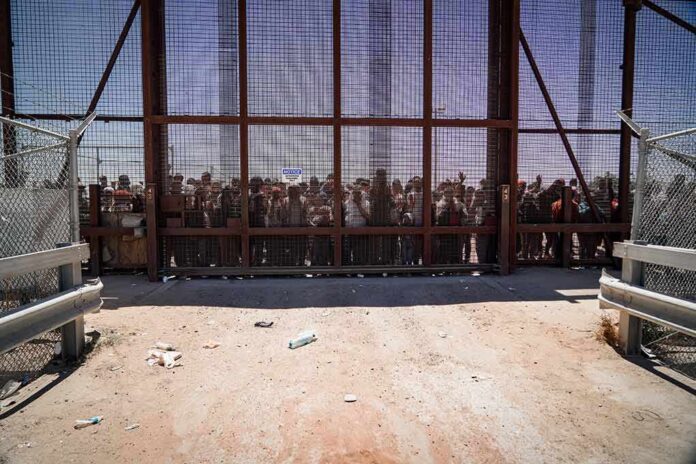
Reporting tied the spike to a large and sudden flow of people entering the Spanish enclave from Morocco. Earlier coverage documented a major crossing event that set the stage for months of pressure on shelters, police, and health teams. The emergency comparison used a July 30 start date, matching the period of heavy arrivals. Officials and first responders faced a flood of calls, crowded facilities, and many minors needing care or supervision, all within tight city borders.
Prosecutor Cites Frequent Cases And Underreporting Risk
Ceuta’s chief prosecutor, Silvia Rojas, publicly said sexual assaults occurred almost daily in the aftermath and cited 23 reported cases, including 9 involving children. She warned that fear and precarious living conditions likely kept some victims from coming forward, meaning the known figure may not capture every attack. A police-union account separately noted 15 reported sexual assaults since July 30, with most victims underage, underscoring urgent concerns for child safety and the need for rapid interventions.
These reports paint a picture of stress across schools, shelters, and streets when local capacity breaks. Families and seniors worry about basic safety. Officers run nonstop. Prosecutors and social workers try to protect children who arrive alone. This is what border chaos looks like in real life. It is not abstract. It is about whether a community can keep women and kids safe when numbers jump and the rules on entry and housing are unclear or weak.
What The Numbers Prove — And What They Do Not
The 112 records measure emergency-service files, not final court outcomes. They track calls and incident reports at the time, not convictions. The reports also do not list suspects’ nationalities or immigration status, so they cannot by themselves assign guilt to a group. Still, a jump from 4 to 30 sexual-assault files matters. It signals more people asking for help, more responders tied up, and more victims needing services. That alone is a public-safety alarm.
Ceuta’s strain follows a wider pattern after sudden border surges, especially where many arrivals are young men and facilities are crowded. One German study years ago linked a rise in violent crime to young male refugees, while other work stresses that police and reporting practices also shape counts. The shared lesson is simple: borders matter, capacity matters, and children’s safety must come first. Policy that invites chaos risks harm to locals and migrants alike.
Why This Matters For America’s Security Debate
American readers have seen versions of this story. When leaders signal weak borders, frontline towns take the hit. Police, hospitals, and schools shoulder the load. Women and children live with the risk. President Trump’s team has argued that strong borders, clear rules, and fast removals protect everyone. The Ceuta data back the core point: when inflows explode, crime reports and emergency calls jump. A country that wants safe streets must control who enters and how many.
Bottom Line For Policy And Community Safety
Ceuta’s emergency files show a sharp spike in sexual-assault reports after a mass influx, along with big jumps in knife, firearm, and assault categories. The chief prosecutor flagged frequent cases and likely underreporting. While these are emergency incident files and not courtroom verdicts, they are a clear warning. Secure borders, firm enforcement, and adequate capacity are not harsh. They are humane. They shield families, protect kids, and keep order when it counts most.
Sources:
youtube.com, iamgrok.org, bignewsnetwork.com, thenationalpulse.com, gript.ie, dw.com