Two years after the Butler rally shooting, federal reviewers still point to a security breakdown that was preventable and never fully explained.
Quick Take
- The FBI identified Thomas Matthew Crooks soon after the July 13, 2024, attack in Butler, Pennsylvania.
- Secret Service reviews later said the attack exposed major planning and communication failures.
- Senate investigators said the agency denied multiple security requests before the rally.
- Six Secret Service personnel were suspended over the handling of the event.
FBI Identification Came Fast, But Questions Stayed
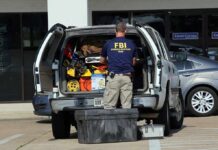
The Federal Bureau of Investigation (FBI) quickly identified Thomas Matthew Crooks as the shooter after the Butler attack. That basic fact is not in dispute. What stayed in public debate was how a gunman with a rifle reached a rooftop and opened fire at a campaign rally for then-candidate Donald Trump in Butler, Pennsylvania, on July 13, 2024.
Public reporting and official reviews focused less on the shooter’s identity and more on the failures that let the attack happen. The FBI said it continued to investigate the incident after the shooting, including Crooks’ phone and electronic devices. At the same time, congressional and agency reviews said the Secret Service and other partners missed warning signs, failed to share key information, and did not use enough protection around the venue.
Secret Service Reviews Found Major Failures
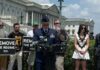
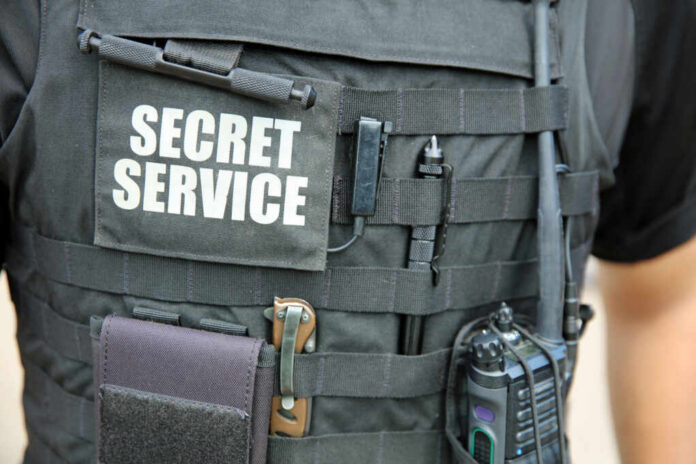
The clearest official criticism came from congressional and agency reports released after the attack. Senator Rand Paul’s final report said the Secret Service denied multiple requests for extra staff and equipment before the Butler rally. The same report said agents failed to pass along crucial threat information and that coordination with state and local law enforcement broke down badly. Those findings matched earlier reporting that described fragmented communication at the event.
The agency also disciplined six personnel for their conduct tied to the rally. According to reporting on the suspensions, the penalties ranged from 10 to 42 days and came after months of scrutiny. Separate coverage said the Secret Service itself later called the Butler episode an “operational failure.” For readers frustrated by slow accountability, the record shows the government did act, but only after a public scandal and heavy pressure.
Why the Butler Case Still Matters
The Butler attack remains politically important because it exposed how badly a federal protective agency can fail when planning, communication, and command structure break down. House investigators said the shooting was not prevented because of Secret Service failures, while other reviews said the team relied too much on local law enforcement and lacked a clear communication structure. That is a serious warning for anyone who expects basic competence from the federal government.
https://twitter.com/JBThinkin/status/2076377125872165342
There is also a larger lesson here about transparency. Public officials and watchdogs can identify a gunman quickly, yet still leave the public waiting for a full accounting of what went wrong. In this case, the strongest documented dispute is not over who the shooter was. It is over why the Secret Service ignored requests, missed threats, and allowed a roof line to become a firing position at a presidential campaign rally.
Sources:
politico.com, spotlightpa.org, taskforce-kelly.house.gov, hsgac.senate.gov, abcnews.com, cbsnews.com, facebook.com, youtube.com