Melania Trump’s demand that ABC rein in Jimmy Kimmel after an “expectant widow” joke—made just days before a shooting at the same high-profile dinner—has turned late-night punchlines into a national debate about responsibility, regulation, and political violence.
Story Snapshot
- Melania Trump publicly criticized ABC and Jimmy Kimmel for a White House Correspondents’ Dinner joke she described as “hateful and violent rhetoric.”
- The controversy intensified because a shooting occurred at the same event in Washington, D.C., two days after Kimmel’s remarks.
- FCC Chairman Brendan Carr signaled possible regulatory scrutiny, saying the incident could mean “additional work for the FCC ahead.”
- No public apology, firing, or formal network action was confirmed in the available reporting as of April 27, 2026.
What Happened at the Correspondents’ Dinner—and Why It Blew Up
Jimmy Kimmel’s April 23 monologue at the White House Correspondents’ Dinner included a jab at Melania Trump that multiple reports describe as calling her an “expectant widow,” framing the joke around the President’s death rather than ordinary political ridicule. After a shooting occurred at the dinner on April 25 with President Trump and Melania Trump present, the remark took on a darker significance for many Americans already on edge about political violence.
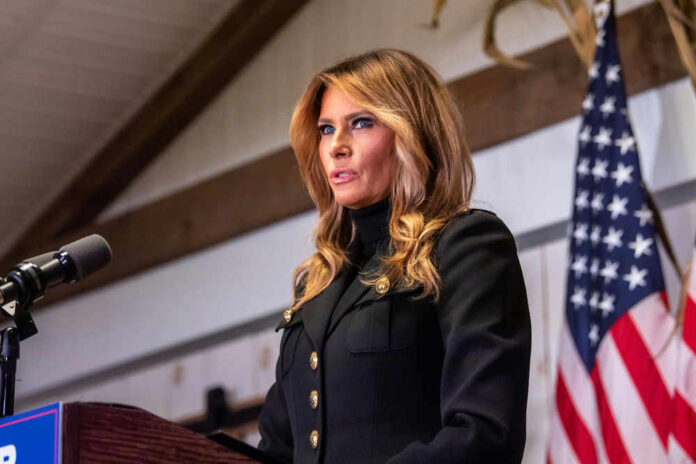
Melania Trump responded on April 27 via X, saying “Enough is enough” and urging ABC to “take a stand” against what she characterized as corrosive rhetoric that divides the country. The available coverage does not show a direct public response from ABC or Kimmel within that same window. That silence matters because it leaves the public to interpret the network’s position: either it views the comment as protected comedy, or it is weighing legal, reputational, and political risks before reacting.
How ABC’s Corporate Shield Meets a Growing Public Demand for Standards
ABC and its parent company Disney sit at the center of the fallout because the dispute is not only about a comedian’s words but also about the institution that platforms them. From a conservative perspective, this is a familiar pattern: major legacy media companies appear quick to police speech they label “misinformation,” yet hesitant to confront rhetoric that targets the Trump family. The research provided shows Melania’s criticism focused specifically on corporate accountability, not just personal offense.
The immediate question is what standard should apply to entertainment delivered through a major broadcast brand. The research does not establish that Kimmel intended to incite violence, and intent is difficult to prove without direct evidence. At the same time, the timeline—violent-themed humor followed by real violence at the same venue—helps explain why critics argue a line was crossed. In practical terms, ABC’s decision-making now carries broader implications for how networks manage politically charged content.
The FCC Angle: Free Speech Concerns, Broadcast Rules, and Political Pressure
FCC Chairman Brendan Carr’s comments added fuel because they introduced the possibility of federal scrutiny. According to the provided research, Carr called the episode the “sickest conduct possible” and suggested it could mean “additional work for the FCC ahead.” That matters in a country that values the First Amendment, especially for conservatives who often distrust government power. Government involvement can look like accountability to some—and like viewpoint policing to others.
Still, the FCC dimension is not purely theoretical. Broadcast television operates in a regulatory environment unlike podcasts or subscription streaming platforms, and that regulatory leverage becomes a flashpoint whenever culture and politics collide. The research does not specify what enforcement action, if any, is formally underway, and no confirmed penalties are listed. For now, Carr’s comments function more as pressure on ABC than as a documented case, which is an important limitation.
Why This Dispute Resonates Beyond Kimmel—and What to Watch Next
The Melania Trump-Kimmel dispute lands at a time when many voters—right and left—already believe powerful institutions protect their own while ordinary people absorb the consequences. Conservatives see a media ecosystem that normalizes contempt for America First voters and their leaders. Many liberals, meanwhile, fear that increased scrutiny of speech will be used to punish political opponents. The common thread is distrust: Americans doubt that elites will apply rules consistently when the stakes are high.
Key unknowns remain because the current reporting is limited: whether ABC will issue a statement, whether Kimmel will address the joke, and whether any formal FCC process will occur. If the dispute escalates, the larger question will not be whether comedians can mock presidents—they can—but whether broadcast brands will treat violent-themed rhetoric as just another bit when the country is dealing with real-world threats. The next few weeks should clarify whether this was a fleeting scandal or a policy turning point.
Sources:
Jimmy Kimmel called out critics who say Trump, Melania digs at Oscars fell flat