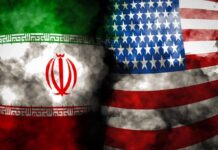
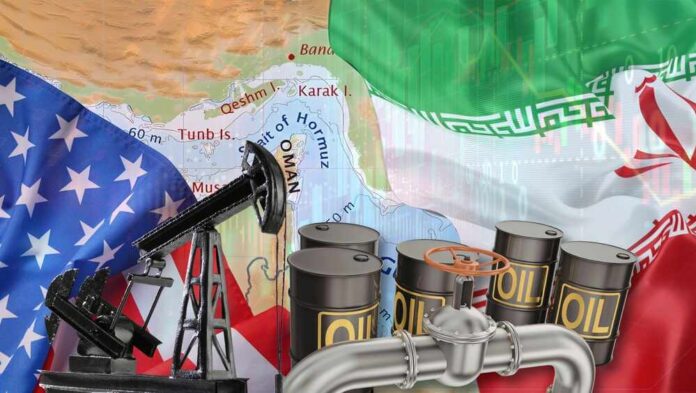
Oil surging toward $120 a barrel while tariff costs stack up is reviving a nightmare Americans haven’t faced in decades: stagflation.
Story Snapshot
- Markets jolted in April 2026 as the Iran conflict helped push crude sharply higher, intensifying inflation fears.
- Economists and major Wall Street shops warn the U.S. could be headed into “modest stagflation,” where growth slows even as prices climb.
- The administration argues tariff-driven inflation will be temporary, but many planned levies and supply shocks could keep pressure on prices.
- The Federal Reserve faces a lose-lose choice: cut rates and risk higher inflation, or hold tight and deepen a slowdown.
Iran Shock Hits Markets and Reprices Inflation Risk
April 2026 trading delivered a clear message: investors are increasingly pricing a longer, costlier Iran conflict. Reports of escalating tensions coincided with crude spiking toward $120 per barrel, including an intraday surge in Brent that ranked among the biggest swings in years. Equities fell across regions, bonds sold off alongside stocks, and credit stress measures rose. This matters because energy is an economy-wide input that quickly filters into household bills.
Higher oil prices move from futures screens to real life through gasoline, diesel, jet fuel, and home heating, then into shipping and manufacturing. The timing is politically sensitive: voters who already feel squeezed by years of elevated costs tend to notice fuel first. President Trump has publicly downplayed concerns about high crude prices in the context of “Safety and Peace,” but markets tend to treat that stance as reduced urgency to cap the shock.
Tariffs Add a Second Price Pressure as Growth Signals Cool
Trade policy is the other major ingredient behind stagflation warnings. On April 2, 2026, Trump announced “Liberation Day” tariffs, and economists began openly comparing the shift to a reversal of decades of trade liberalization. Analysts note that tariff rates are being discussed at levels reminiscent of Smoot-Hawley, and the effect could be larger today because imports account for a much bigger share of GDP than in the 1930s.
Even before the latest tariff push, inflation anxiety was building. In March 2025, core inflation (excluding food and energy) was reported at 2.8% as tariff concerns mounted, and surveys showed inflation expectations rising, including among independents and Republicans. At the same time, consumer spending growth slowed to 0.4%, under expectations cited by economists. That combination—softening demand with sticky prices—is the basic staging ground for stagflation fears.
Labor Market and Immigration Debate Complicate the Supply Side
Stagflation is especially hard on working families because paychecks rarely keep up when prices rise and hiring cools. Research cited by policy writers points to labor-market headwinds tied to restrictive immigration measures, alongside cuts in federal employment and reductions in jobs linked to federal grants and Medicaid. Forecasts referenced in that analysis expect unemployment to rise above 5% by December while inflation exceeds 4%, a pairing that would strain household budgets.
Immigration is also where today’s political frustrations collide. Many conservatives argue stricter enforcement protects wages and the rule of law; many liberals argue it reduces labor supply and harms communities. What the economic debate often misses is the narrow policy corridor: if the workforce tightens while tariffs and energy costs push prices up, businesses can face higher input costs without enough growth to absorb them. That is how “supply-side” problems become kitchen-table inflation.
The Fed’s Trap: Rate Cuts Could Stoke Inflation, But Holding Firm Can Hurt Growth
Stagflation limits the usual playbook. When growth slows, central banks typically cut rates; when inflation rises, they typically raise them. Under stagflation, either move can worsen the other side of the problem. Reports describe pressure on the Federal Reserve from Trump allies to pursue larger rate cuts, but market pricing has shifted as traders pushed back expectations for near-term cuts after the Iran-driven oil shock.
Administration officials maintain tariff-related inflation will be transitory, and some bank economists have argued certain firms may absorb some costs rather than pass them through immediately. That uncertainty is real, and it is why forecasts vary on timing and severity. Still, the broader warning from multiple sources is consistent: if inflation persists while labor demand weakens, the risk of recession rises—and any recession layered on top of high prices is exactly what Americans remember from the late 1970s.
Why This Moment Fuels Populist Anger at “Elites” Across the Spectrum
Stagflation fears also land in a country where distrust in institutions runs high. Conservatives blame overspending, globalist trade decisions, and energy policies that raised costs; liberals blame inequality and corporate power. The shared conclusion is that government often looks reactive, not competent. If the public sees Washington arguing over tariffs, immigration, and war while their bills rise and portfolios fall, distrust of entrenched “elites” will deepen regardless of party.
NEW from @antiwarcom @antiwarnews
Stagflation Incoming: The Donald Ain’t Gonna Like What Happens Next!https://t.co/lg91lDYh0s#IndieNewsNow— IndieNewsNow (@IndieNewsNow_) April 27, 2026
The practical takeaway for households is less partisan: watch energy prices, consumer spending, and jobs data together, not in isolation. Oil spikes can fade, and tariffs can be renegotiated, but the longer both pressures persist, the harder it becomes for the Fed to stabilize prices without risking a sharper slowdown. The research available suggests this is a developing risk, not a settled outcome—but it is significant enough that markets and economists are treating it as a central scenario for 2026.
Sources:
Stagflation risk? Inflation? Trump economy? Tariffs?
It’s beginning to smell a lot like stagflation
Recession, stagflation, oil, Iran, Trump: Deutsche, Oxford Economics